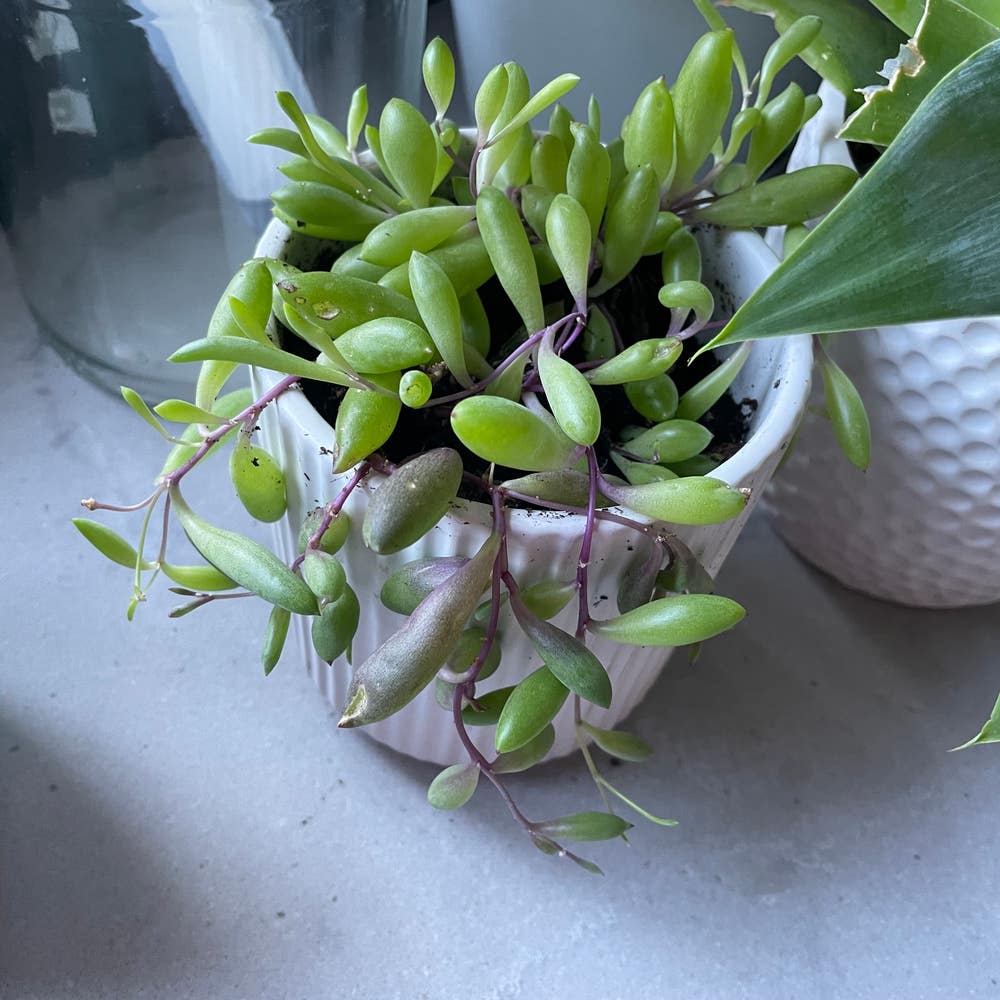
Ruby Necklace's Best Friends: Top Companion Plants 😊
Crassothonna capensis
By the Greg Editorial Team
Nov 07, 2024•5 min read
This article was created with the help of AI so we can cover more plants for you. May contain errors. See one? Report it here.
Elevate your garden's beauty and health 🌱 by pairing Ruby Necklace with ideal companion plants for pest control!
- 🌱 Ruby Necklace thrives with companions like Sedum and Echeveria for optimal care.
- 🐞 Companion plants attract beneficial insects, naturally managing pests like aphids and mealybugs.
- 🌿 Avoid ferns and mint; they disrupt Ruby Necklace's dry, low-water needs.
Top Companion Plants for Ruby Necklace
🌱 Sedum
Sedum is a fantastic companion for Ruby Necklace due to its similar care needs. It thrives in well-draining soil and requires minimal watering, making it a low-maintenance choice.
Sedum also boasts pest-repellent properties, attracting beneficial insects that prey on common garden pests. Visually, it offers a contrasting texture and color, enhancing the overall look of your garden.
🌼 Echeveria
Echeveria is another excellent companion plant, preferring bright, indirect sunlight and well-draining soil, just like Ruby Necklace. This plant contains compounds that deter mealybugs and aphids, providing an extra layer of protection.
Its rosette shape beautifully complements the cascading growth of Ruby Necklace, adding visual interest to your garden design.
🌿 Aloe Vera
Aloe Vera is a perfect match for Ruby Necklace, as it requires similar watering and light conditions. Known for its pest-repellent properties, it can help keep flies and mosquitoes at bay.
In terms of aesthetics, Aloe Vera adds height and structure, creating a dynamic visual contrast that enriches your garden's design.
🌸 Other Recommended Companions
Hens and Chicks: This hardy plant thrives in dry conditions and well-draining soil, making it a great companion. Its tough leaves deter pests, while its unique texture and color variation add interest to your garden.
String of Pearls: Preferring bright light and minimal watering, String of Pearls aligns well with Ruby Necklace's needs. It attracts beneficial insects that help control pests and its cascading growth enhances the aesthetic of hanging arrangements.
Incorporating these companion plants not only supports the health of your Ruby Necklace but also elevates the beauty of your garden. Each plant brings its unique charm, creating a vibrant and thriving ecosystem.
Plants to Avoid Near Ruby Necklace
🛑 Explanation of Incompatibility
When planning your garden, it's crucial to consider which plants may not play well with your Ruby Necklace. Certain plants can compete for resources or create conditions that are less than ideal for this unique succulent.
🚫 List of Plants to Avoid
Ferns
Ferns thrive in moisture-rich environments, which can be detrimental to Ruby Necklace. This succulent prefers drier conditions, making ferns a poor match.Impatiens
These colorful flowers enjoy consistently moist soil. This preference can lead to overwatering issues for Ruby Necklace, potentially harming its health.Mint
While mint is a delightful herb, its aggressive growth can overshadow Ruby Necklace. It tends to outcompete for nutrients and space, making it a challenging companion.
By avoiding these plants, you can ensure that your Ruby Necklace thrives in a supportive environment. Next, let’s explore how companion planting can enhance pest management in your garden.
Pest Management through Companion Planting
How Companion Plants Can Deter Pests 🐞
Companion planting is a smart strategy for managing pests in your garden. By selecting the right plants, you can create a natural barrier or attract beneficial insects that help keep harmful pests at bay.
Specific Pest-Repellent Properties of Recommended Companions 🌱
Certain companions shine when it comes to pest control. Sedum and Echeveria are particularly effective, as they attract ladybugs and lacewings, both of which feast on aphids and mealybugs.
Aloe Vera also plays a vital role; its natural compounds can repel common garden pests, making it a valuable addition to your Ruby Necklace garden.
Examples of Pests that Ruby Necklace May Face 🐜
Despite your best efforts, pests like mealybugs and aphids may still target your Ruby Necklace. Mealybugs can weaken your plants, while aphids can stunt growth and cause leaf curling, making pest management essential for a thriving garden.
Incorporating companion plants not only enhances the beauty of your garden but also creates a robust defense against these pesky invaders. As you plan your garden, remember that a diverse selection of plants can lead to a healthier ecosystem, setting the stage for success.
Creating a Diverse Garden with Ruby Necklace
🌱 Importance of Diversity in Plant Selection
A diverse garden is more than just visually appealing; it fosters a thriving ecosystem. By incorporating a variety of plants, you attract beneficial insects and pollinators, which are essential for a healthy garden.
🌼 How to Incorporate Companion Plants into a Ruby Necklace Garden
Start by grouping companion plants that share similar care needs and growth habits. This not only simplifies maintenance but also ensures that all plants thrive together.
Utilize varying heights and textures to create visual interest. For example, pairing the cascading Ruby Necklace with upright companions like Aloe Vera can add depth and balance to your garden design.
🌿 Tips for Maintaining a Balanced Ecosystem in the Garden
Regular monitoring of plant health and pest activity is crucial. Keep an eye out for any signs of distress or pest infestations to address issues promptly.
Additionally, rotating companion plants is a smart strategy. This practice helps prevent soil depletion and maintains nutrient levels, ensuring your garden remains vibrant and productive.
By embracing diversity and mindful care, your Ruby Necklace garden can flourish, creating a beautiful and sustainable environment.
⚠️ Safety First
This content is for general information and may contain errors, omissions, or outdated details. It is not medical, veterinary advice, or an endorsement of therapeutic claims.
Always consult a qualified healthcare professional before using any plant as food, medicine, or supplement.
Never eat any plant (or feed one to pets) without confirming its identity with at least two trusted sources.
If you suspect poisoning, call Poison Control (800) 222-1222, the Pet Poison Helpline (800) 213-6680, or your local emergency service immediately.
Spotted an error? Please report it here.
Surround your Ruby Necklace with perfect companions like Sedum and Echeveria, and let Greg's personalized care tips 🌿 help you cultivate a thriving garden ecosystem!