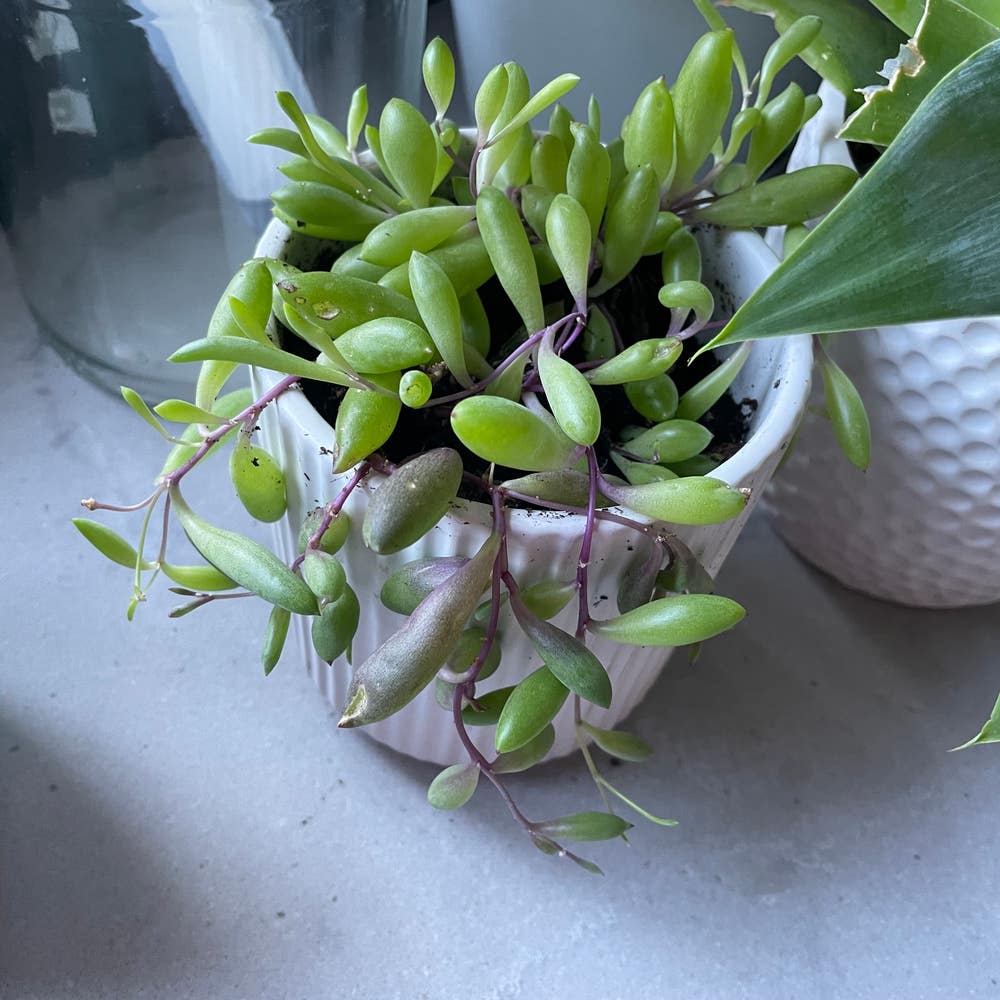
🌸 5 Quick Fixes for Ruby Necklace Bloom Problems
Crassothonna capensis
By the Greg Editorial Team
Oct 31, 2024•5 min read
This article was created with the help of AI so we can cover more plants for you. May contain errors. See one? Report it here.
Transform your Ruby Necklace into a blooming beauty 🌼 with these essential care tips for vibrant flowers!
- 🌞 Ruby Necklace needs 6 hours of indirect sunlight daily for blooming success.
- 🌱 Balanced fertilizer and proper watering are essential for vibrant flower production.
- 🚫🌼 Prevent premature flower drop by managing environmental stress and pests effectively.
Common Causes of Failure to Bloom
🌼 Identifying Failure to Bloom
If your Ruby Necklace isn't blooming, look for key signs. A lack of flower buds, stunted growth, and overall poor health are clear indicators that something is off.
🔍 Potential Causes
Several factors can contribute to this blooming issue.
- Insufficient light: Ruby Necklace thrives in bright, indirect sunlight. Without it, blooming is unlikely.
- Nutritional deficiencies: Essential nutrients are crucial for flower production. A lack can stifle growth.
- Overwatering: Too much moisture can lead to root rot, which severely affects plant health.
🌱 Solutions for Encouraging Blooming
Fortunately, there are straightforward solutions to encourage blooming.
- Adjust light exposure: Ensure your plant receives at least 6 hours of indirect sunlight daily.
- Fertilization: Use a balanced succulent fertilizer during the growing season to provide necessary nutrients.
- Watering practices: Allow the soil to dry out between waterings. This prevents root rot and promotes healthy growth.
By addressing these common causes, you can help your Ruby Necklace flourish and bloom beautifully. Next, let’s explore the issue of premature flower drop and how to tackle it effectively.
Premature Flower Drop
🌼 Identifying Signs of Premature Flower Drop
Premature flower drop can be disheartening for any plant enthusiast. Look out for symptoms like flowers dropping before they fully open, wilting buds, and yellowing leaves.
🔍 Potential Causes of Premature Flower Drop
Understanding the causes of this issue is crucial for effective management.
Environmental Stress
Sudden changes in temperature or humidity can stress your Ruby Necklace, leading to flower loss.
Inadequate Watering
Both overwatering and underwatering can disrupt the plant's health, causing buds to drop prematurely.
Pests or Diseases
Infestations can weaken the plant, making it more susceptible to flower drop. Regular checks are essential to catch these issues early.
🛠️ Remedies to Prevent Flower Drop
Taking proactive steps can help maintain your plant's health and encourage blooming.
Maintain Consistent Watering
Water your Ruby Necklace when the top inch of soil feels dry. This helps prevent both overwatering and underwatering.
Monitor Environmental Conditions
Keep your plant in a stable environment. Avoid placing it near drafts or heat sources that can cause temperature fluctuations.
Pest Management
Regularly inspect your plant for pests. Treat any infestations promptly to minimize damage and stress.
By addressing these factors, you can significantly reduce the risk of premature flower drop and enjoy a thriving Ruby Necklace. Next, let’s explore how light conditions impact flowering.
Abnormal Flower Development
🌸 Identifying Abnormal Flower Development
Abnormal flower development in Ruby Necklace plants can be alarming. Look for signs such as deformed flowers, discoloration, and irregular growth patterns.
⚙️ Factors Contributing to Abnormal Flower Growth
Several factors can lead to these issues.
💡 Poor Light Conditions
Insufficient light can weaken flower structures, causing them to develop poorly.
🧪 Nutrient Imbalances
Both excess and deficiency of nutrients can significantly affect flower quality.
🧬 Genetic Factors
Some plants may have inherent growth irregularities that contribute to abnormal development.
🛠️ Solutions for Correcting Flower Development Issues
Fortunately, there are effective strategies to address these problems.
☀️ Optimize Light Exposure
Ensure your Ruby Necklace receives adequate light for healthy flower formation. Aim for bright, indirect sunlight to promote robust growth.
🌱 Adjust Fertilization
Using a nutrient-rich fertilizer specifically designed for flowering succulents can make a difference. This ensures your plant gets the essential nutrients it needs.
✂️ Prune Affected Areas
Regularly prune any deformed flowers to encourage new growth. This not only improves the plant's appearance but also helps redirect energy towards healthier blooms.
By addressing these factors, you can help your Ruby Necklace thrive and produce beautiful flowers. Next, let’s explore how light impacts flowering in more detail.
Impact of Light on Flowering
Importance of Light for Ruby Necklace 🌞
Ruby Necklace plants flourish in bright, indirect sunlight, which is essential for their blooming process. Without adequate light, these vibrant succulents struggle to produce flowers, leading to disappointment for any plant enthusiast.
How Light Conditions Affect Bloom Cycle 🌱
Insufficient light can significantly delay or even prevent blooming altogether. Conversely, too much direct sunlight can scorch the delicate leaves, causing more harm than good.
Adjusting Light Exposure for Optimal Flowering 💡
To ensure your Ruby Necklace thrives, position it in a spot that receives filtered light. Sheer curtains can be a great solution to diffuse harsh sunlight while still allowing ample brightness.
Rotation for Even Growth 🔄
Don't forget to rotate your plant periodically! This simple practice ensures that all sides receive equal light exposure, promoting balanced growth and a more robust blooming cycle.
By optimizing light conditions, you set the stage for a stunning display of flowers, enhancing the beauty of your Ruby Necklace. Next, let’s explore the nutritional needs that support this blooming process.
Nutritional Needs for Flowering
🌱 Essential Nutrients for Ruby Necklace During Bloom Cycle
To thrive and produce stunning blooms, Ruby Necklace plants need key nutrients: nitrogen, phosphorus, and potassium. These elements play crucial roles in flower development, ensuring your plant stays vibrant and healthy.
⚠️ Signs of Nutrient Deficiency Affecting Flowers
Watch for signs that your Ruby Necklace may be lacking essential nutrients. Symptoms like yellowing leaves, stunted growth, and poor flower production indicate that your plant needs a nutritional boost.
🌼 Fertilization Tips to Enhance Flower Development
To keep your Ruby Necklace flourishing, establish a fertilization schedule. Apply a balanced fertilizer every 4-6 weeks during the growing season to provide the necessary nutrients.
When selecting a fertilizer, choose one specifically formulated for succulents. This ensures your plant receives the right mix of nutrients tailored to its unique needs.
By focusing on these nutritional aspects, you can significantly enhance the flowering potential of your Ruby Necklace. With the right care, you’ll be rewarded with a stunning display of blooms that brighten any space.
Next, let’s explore how light conditions impact the flowering of your Ruby Necklace.
⚠️ Safety First
This content is for general information and may contain errors, omissions, or outdated details. It is not medical, veterinary advice, or an endorsement of therapeutic claims.
Always consult a qualified healthcare professional before using any plant as food, medicine, or supplement.
Never eat any plant (or feed one to pets) without confirming its identity with at least two trusted sources.
If you suspect poisoning, call Poison Control (800) 222-1222, the Pet Poison Helpline (800) 213-6680, or your local emergency service immediately.
Spotted an error? Please report it here.
Get your Ruby Necklace blooming brilliantly 🌺 by using Greg's tailored care reminders to optimize light, watering, and nutrition for stunning flowers!