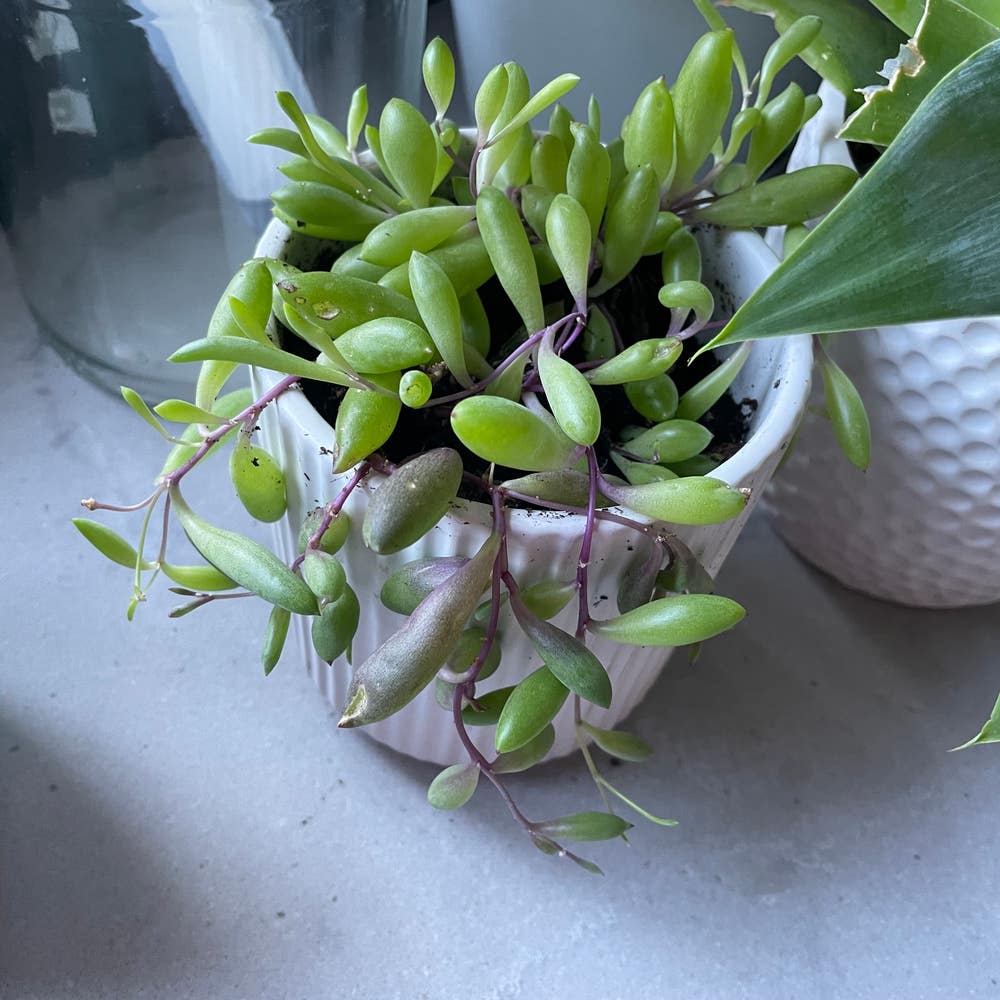
🥕 Ruby Necklace Roots 101
Crassothonna capensis
By the Greg Editorial Team
Oct 31, 2024•5 min read
This article was created with the help of AI so we can cover more plants for you. May contain errors. See one? Report it here.
Master the care of Ruby Necklace plants 🌱 by understanding their unique root system for thriving growth!
- 🌱 Ruby Necklace roots are shallow yet extensive, reaching 6-12 inches deep for efficient absorption.
- 💧 Prevent root rot by allowing the top inch of soil to dry out between waterings.
- 🌿 Healthy roots are crucial for propagation; divide in spring for best results.
Type of Root System
Characteristics 🌱
The Ruby Necklace plant boasts a fibrous root system, which is key to its survival and growth. This type of root structure allows for a shallow yet extensive spread, making it highly efficient in absorbing water.
These roots adapt well to various soil conditions, thriving in diverse environments. Their widespread growth pattern not only aids in moisture uptake but also enhances the plant's resilience against drought and nutrient scarcity.
Understanding these characteristics can help you appreciate the Ruby Necklace's unique adaptability and vitality. With the right care, this plant can flourish in your home or garden.
Root Depth and Spread
Typical Depth 🌱
Ruby Necklace plants have a fascinating root structure that generally remains shallow, extending only 6 to 12 inches deep. This adaptation allows them to thrive in shallow soil environments, enabling quick and efficient water uptake.
Spread Patterns 🌍
The roots of Ruby Necklace can spread widely, often reaching a diameter of 2 to 3 feet. This lateral growth pattern is crucial, as it allows the plant to access moisture and nutrients effectively, ensuring robust health and vitality.
Understanding the root depth and spread of Ruby Necklace is essential for proper care. With this knowledge, you can create an optimal environment that supports their growth and resilience.
Next, we’ll explore the watering, fertilizing, and transplanting needs of this unique plant.
Watering, Fertilizing, and Transplanting
💧 Watering Needs
Ruby Necklace plants require careful attention when it comes to watering. Their fibrous root system thrives best when the top inch of soil is allowed to dry out between waterings.
To prevent root rot, ensure that the soil is well-draining. This is crucial for maintaining healthy roots and overall plant vitality.
🌱 Fertilizing Considerations
Fertilizing your Ruby Necklace should be done sparingly during the growing season. A diluted, balanced fertilizer can support root health without overwhelming the plant.
Watch for signs of nutrient deficiency, such as yellowing leaves or stunted growth. These indicators can help you adjust your fertilization routine effectively.
🌿 Best Practices for Transplanting
Transplanting is best done during the growing season to minimize stress on the plant. Follow these steps for a successful transplant:
- Prepare a new pot with well-draining soil.
- Gently remove the plant from its current pot, taking care not to damage the roots.
- Place the plant in the new pot and fill with soil, ensuring the roots are covered but not compacted.
- Water lightly to settle the soil around the roots.
By following these practices, you can ensure your Ruby Necklace continues to thrive in its new environment. Proper watering, fertilizing, and transplanting techniques are essential for maintaining a healthy plant.
Next, we’ll explore common root-related issues that can affect your Ruby Necklace and how to address them effectively.
Common Root-Related Issues
🕵️ Identifying Problems
Ruby Necklace plants can face several root-related issues that can hinder their growth. The most common problems include root rot, nutrient deficiency, and pest infestations.
Watch for symptoms like wilting, even when the soil is moist, and yellowing leaves or stunted growth. These signs often indicate that your plant is struggling and needs immediate attention.
🛠️ Solutions and Prevention Tips
To prevent root rot, ensure your plant has proper drainage and avoid overwatering. A well-draining soil mix is crucial for keeping those fibrous roots healthy.
Regularly inspect your plant for pests, treating any infestations with appropriate organic solutions. Keeping an eye on soil conditions will also help maintain root vitality and overall plant health.
By staying proactive about these common issues, you can ensure your Ruby Necklace thrives and remains resilient against stress factors. This vigilance will lead to a healthier plant and a more rewarding gardening experience.
Rootbound Conditions
📖 Definition and Recognition
Rootbound conditions occur when a plant's roots become densely packed in a confined space. This often leads to visible signs such as roots growing out of drainage holes and stunted growth, indicating that the plant is struggling for space.
🛠️ Addressing Rootbound Issues
It's crucial to address rootbound conditions during the growing season when the plant can recover more easily. Here’s how to alleviate these issues effectively:
- Gently remove the plant from its pot. Take care to minimize damage to the roots during this process.
- Loosen the roots and trim any excessively long or damaged ones. This helps promote healthier growth.
- Repot in a larger container with fresh, well-draining soil. This gives the roots room to expand and thrive.
By following these steps, you can help your Ruby Necklace flourish and prevent the stress associated with being rootbound. Proper care not only enhances root health but also contributes to the overall vitality of your plant.
Next, we’ll explore propagation and division techniques to further support your Ruby Necklace's growth.
Propagation and Division
🌱 Importance of Root Health
Healthy roots are the backbone of successful propagation and division. When you understand the characteristics of Ruby Necklace roots, you can employ effective techniques that promote growth and vitality.
✂️ Techniques for Dividing
The best time to divide your Ruby Necklace is during spring or early summer. This timing allows the plant to recover quickly and thrive in its new environment.
Steps for Division
- Remove the Plant: Gently take the plant out of its pot, being careful not to damage the roots.
- Separate the Roots: Gently tease apart the roots, ensuring each division has healthy roots and at least one stem.
- Replant: Place each division in separate pots filled with well-draining soil.
- Water and Recover: Water lightly and position the pots in indirect sunlight to help the plants recover.
By following these steps, you can successfully propagate your Ruby Necklace, ensuring that each new plant has a strong foundation for growth. This process not only enhances your collection but also contributes to the overall health of your plants.
As you embark on this propagation journey, remember that nurturing the roots is key to thriving plants. Next, we’ll explore common root-related issues and how to address them effectively.
⚠️ Safety First
This content is for general information and may contain errors, omissions, or outdated details. It is not medical, veterinary advice, or an endorsement of therapeutic claims.
Always consult a qualified healthcare professional before using any plant as food, medicine, or supplement.
Never eat any plant (or feed one to pets) without confirming its identity with at least two trusted sources.
If you suspect poisoning, call Poison Control (800) 222-1222, the Pet Poison Helpline (800) 213-6680, or your local emergency service immediately.
Spotted an error? Please report it here.
Unlock the secrets to your Ruby Necklace's root health 🌿 with Greg's tailored watering alerts and expert care tips, ensuring your plant thrives in its environment!