💍 Ruby Necklace: Not an Invasive Plant
Crassothonna capensis
By the Greg Editorial Team
Nov 07, 2024•6 min read
This article was created with the help of AI so we can cover more plants for you. May contain errors. See one? Report it here.
Transform your garden with Ruby Necklace 🌱—a stunning, non-invasive plant that supports local ecosystems beautifully! 🌼
- 🌱 Ruby Necklace is non-invasive, making it safe for diverse garden ecosystems.
- 🌼 This plant attracts pollinators with vibrant yellow flowers, enhancing local biodiversity.
- 💧 Drought-tolerant and low maintenance, Ruby Necklace thrives in various garden conditions.
Plant Classification
Definition of Invasive Plants 🌱
Invasive plants are species that spread aggressively outside their native range. They often disrupt local ecosystems, outcompeting native flora and altering habitats.
Characteristics of Ruby Necklace That Prevent It from Being Invasive 🌿
Ruby Necklace stands out due to its low growth habit. As a ground cover, it spreads gently without overwhelming neighboring plants.
Its non-aggressive spread is another key feature. This plant does not produce extensive root systems or seeds that lead to uncontrolled growth, making it a manageable choice for gardens.
Additionally, Ruby Necklace is compatible with local ecosystems. It coexists well with other plants, ensuring it doesn't dominate garden spaces or disrupt the balance of local flora.
This unique combination of traits makes Ruby Necklace an excellent option for gardeners looking to enhance their landscapes without the risk of invasiveness.
As we explore its growth habits next, you'll see how these characteristics contribute to its appeal in various garden settings.
Growth Habits
🌱 Typical Growth Patterns in Gardens
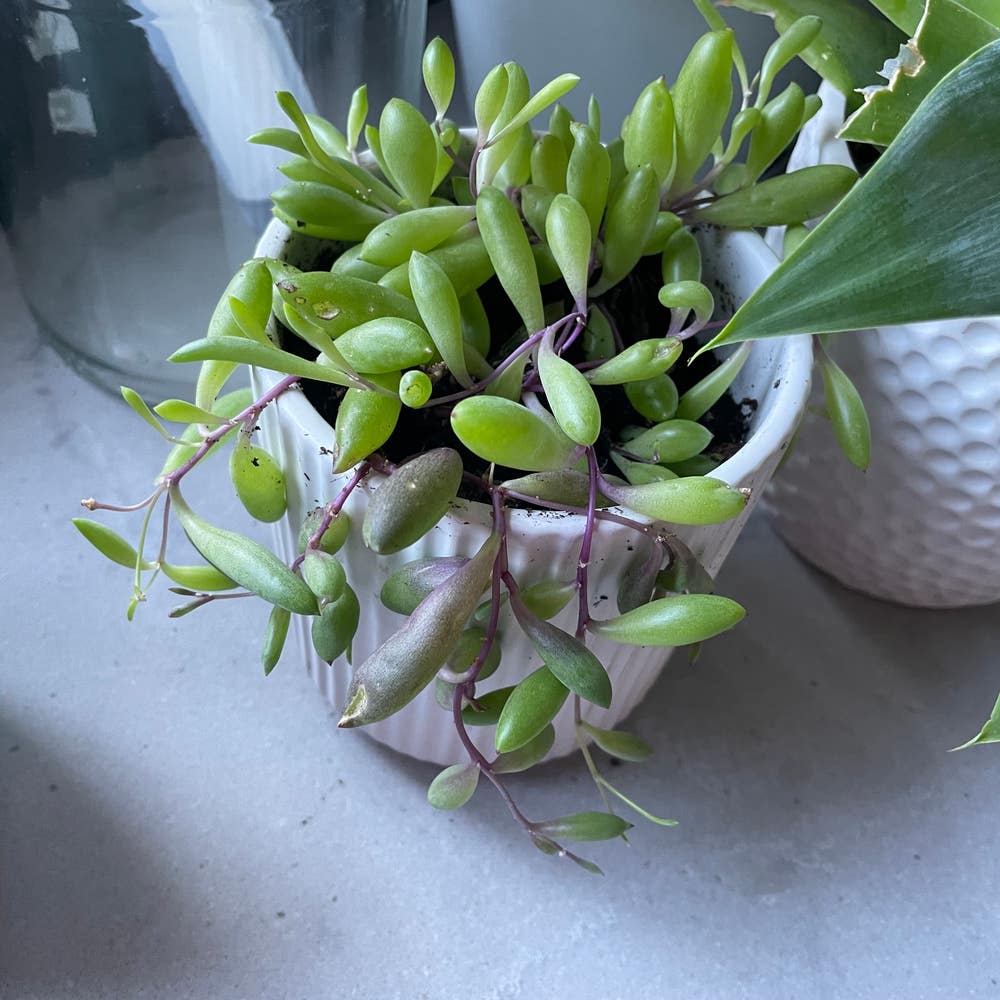
Ruby Necklace exhibits a stunning growth form characterized by its trailing, cascading habit. This plant can stretch impressively, reaching lengths of 2-3 feet, making it an eye-catching addition to any garden.
The leaves of Ruby Necklace are unique, resembling beads that store water efficiently. This adaptation allows the plant to thrive even in dry conditions, showcasing its resilience and beauty.
In spring and summer, Ruby Necklace bursts into bloom with vibrant yellow daisy-like flowers. These blooms not only enhance the garden's aesthetic but also attract essential pollinators like bees and butterflies.
🚧 Natural Limits to Growth and Spread Potential
While Ruby Necklace is a vigorous grower, it has specific soil requirements to flourish. It thrives best in well-drained soil; poor drainage can lead to root rot, which can quickly diminish its health.
Light conditions also play a crucial role in its growth. Ruby Necklace prefers full sun to partial shade, which limits its growth in overly shaded areas, ensuring it maintains its vibrant appearance.
Although it is drought-tolerant, prolonged periods without water can impact its health and vigor. Regular watering during dry spells helps maintain its lush, attractive foliage.
In summary, Ruby Necklace is a versatile and visually appealing plant that thrives under the right conditions. Its unique growth habits and adaptability make it a fantastic choice for gardeners looking to enhance their outdoor spaces.
Next, we will explore the ecological role of Ruby Necklace in gardens and ecosystems, highlighting its benefits and interactions with local wildlife.
Ecological Role
🌼 Benefits in Gardens and Ecosystems
Ruby Necklace is more than just a pretty plant; it plays a vital role in supporting local ecosystems. Its vibrant yellow flowers attract a variety of pollinators, including bees and butterflies, which are essential for maintaining biodiversity.
Additionally, its low-growing, ground-cover nature helps stabilize soil, preventing erosion in garden beds. This makes it an excellent choice for gardeners looking to protect their soil while adding beauty to their landscapes.
🦋 Positive Interactions with Local Wildlife and Other Plants
Beyond attracting pollinators, Ruby Necklace provides valuable habitat for beneficial insects. It offers shelter and food sources, creating a welcoming environment for these helpful creatures.
Moreover, this plant thrives in companion planting scenarios. Pairing it with other drought-tolerant plants can lead to diverse and resilient garden ecosystems, enhancing both aesthetics and functionality in your garden.
Incorporating Ruby Necklace not only beautifies your space but also fosters a thriving ecosystem, making it a win-win for both gardeners and nature.
Garden Management Tips
Effective Incorporation into Garden Designs 🌿
Ruby Necklace is a versatile plant that shines in various garden settings. Consider using it as a ground cover in rock gardens, where its trailing nature can soften hard edges.
You can also plant it along borders or in hanging baskets for stunning cascading effects. This adaptability allows you to create visually appealing spaces that are both functional and beautiful.
Plant Spacing 📏
When planting Ruby Necklace, aim for a spacing of 12-18 inches apart. This distance allows the plants to spread naturally without overcrowding, ensuring each one has room to thrive.
Considerations for Controlling Growth for Aesthetics ✂️
To maintain the desired shape of your Ruby Necklace, regular pruning is essential. Trimming back the plant not only keeps it looking tidy but also prevents excessive spread that could overwhelm your garden.
Container Gardening 🪴
Container gardening is another excellent option for Ruby Necklace. It allows for easy control of growth while adding visual interest to patios or balconies.
Using pots can also enhance your garden's aesthetic, making it a perfect choice for those who want to enjoy the beauty of this plant without the commitment of ground planting.
Incorporating these management tips will help you enjoy the vibrant beauty of Ruby Necklace while keeping your garden looking its best. Next, let’s explore how this plant interacts with local wildlife and contributes to the ecosystem.
Comparison to Other Plants
🌱 Similar Non-Invasive Plants for Comparison
When considering ground cover options, Ruby Necklace stands out alongside other non-invasive plants like Sedum and Creeping Thyme.
- Sedum: Known for its fleshy leaves and drought resistance, Sedum thrives in similar conditions but often grows taller, making it less suitable for low-lying areas.
- Creeping Thyme: This fragrant option offers a dense mat of greenery and blooms, attracting pollinators while providing a slightly different texture compared to Ruby Necklace.
Each of these plants has unique growth habits and care requirements, but all share a non-invasive nature that makes them excellent choices for sustainable gardening.
🌈 Unique Qualities and Benefits
Ruby Necklace is not just another pretty face in the garden; its vibrant color and unique bead-like leaves add a striking visual element.
This plant's low maintenance needs make it a favorite for busy gardeners. Once established, it requires minimal care, allowing you to enjoy its beauty without constant attention.
📜 Legal and Environmental Considerations
Before planting Ruby Necklace, it's wise to check local regulations regarding its cultivation. Fortunately, this plant is recognized for its non-invasive status, making it a safe choice for your garden.
🌍 Role in Sustainable Gardening Practices
Incorporating Ruby Necklace into your garden supports sustainable practices in several ways.
- Water Conservation: Its drought-tolerant nature helps reduce water usage.
- Support for Pollinators: The flowers attract bees and butterflies, enhancing local biodiversity.
- Reduced Need for Chemical Fertilizers: Its resilience means you can often rely on natural soil nutrients.
By choosing Ruby Necklace, you contribute to a healthier ecosystem while enjoying a beautiful, low-maintenance garden.
As we explore the next section, consider how these qualities can enhance your garden management strategies.
⚠️ Safety First
This content is for general information and may contain errors, omissions, or outdated details. It is not medical, veterinary advice, or an endorsement of therapeutic claims.
Always consult a qualified healthcare professional before using any plant as food, medicine, or supplement.
Never eat any plant (or feed one to pets) without confirming its identity with at least two trusted sources.
If you suspect poisoning, call Poison Control (800) 222-1222, the Pet Poison Helpline (800) 213-6680, or your local emergency service immediately.
Spotted an error? Please report it here.
Transform your garden with the stunning Ruby Necklace 🌿, and let Greg help you succeed by providing personalized care reminders for this low-maintenance beauty!