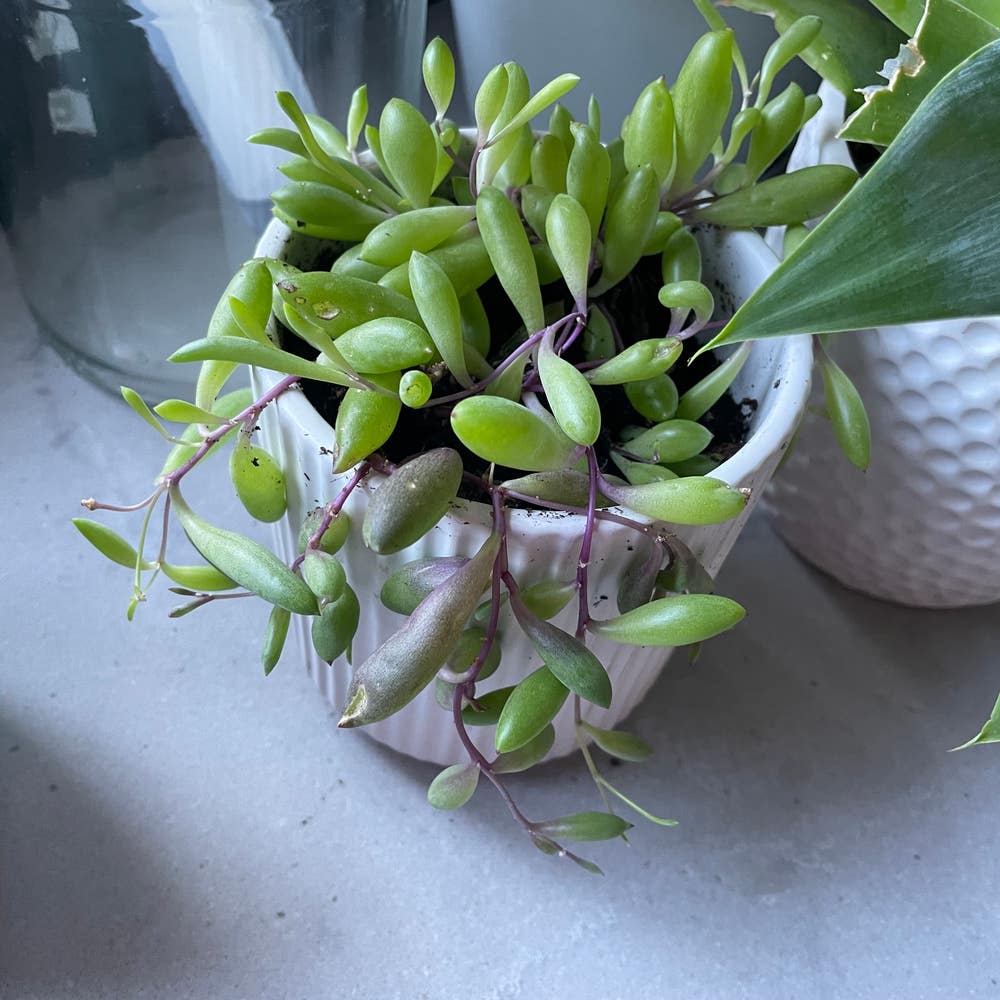
What You Should Know About Little Pickle 🥒
Crassothonna capensis
By the Greg Editorial Team
Jan 24, 2025•11 min read
This article was created with the help of AI so we can cover more plants for you. May contain errors. See one? Report it here.
Discover the charm of the Little Pickle plant 🌱—a low-maintenance beauty that thrives effortlessly in any space!
- 🌞 Little Pickle thrives in bright, indirect sunlight and prefers specific temperature and humidity.
- 🌱 Use a well-draining succulent mix with a pH of 6.0-7.0 for healthy roots.
- 💧 Water carefully; let soil dry completely to prevent root rot and overwatering.
How to Grow
Choosing a Location 🌞
To thrive, Little Pickle needs bright, indirect sunlight. Whether indoors or outdoors, ensure the temperature and humidity align with its preferences for optimal growth.
Soil Preparation 🌱
A well-draining succulent mix is essential for healthy roots. Aim for a pH level between 6.0 and 7.0, which is slightly acidic to neutral.
Planting Techniques 🌿
When potting, choose a container that is at least 6-8 inches in diameter. Plant the Little Pickle at a depth level with the soil surface to promote stability.
Watering Requirements 🚰
Watering is crucial; allow the soil to dry out completely between waterings. Watch for signs of overwatering, such as yellowing leaves and mushy stems.
Fertilizing Tips 🍽️
Fertilize every 4-6 weeks during the growing season to support growth. A balanced, diluted succulent fertilizer works best for this plant.
Pruning Methods ✂️
Prune after flowering or during dormancy to encourage new growth. Focus on removing dead or damaged leaves to keep the plant healthy.
Ongoing Care 🛡️
For outdoor care, keep an eye out for pests and environmental stressors. If your Little Pickle is in a container, rotate it regularly for even sunlight exposure.
This section sets the foundation for nurturing your Little Pickle. Next, let’s explore how to propagate this resilient plant and expand your collection!
Propagation
🌱 Seed Propagation
To start propagating your Little Pickle from seeds, begin by soaking them for 24 hours before planting. This simple step helps to kickstart the germination process, which typically takes 2-4 weeks under optimal conditions.
✂️ Cutting Propagation
Another effective method is cutting propagation. Select healthy stems that are about 3-4 inches long, ensuring they are free from any disease or damage.
For the rooting medium, use a well-draining mix to prevent excess moisture, which can lead to rot. This method is popular because it allows you to create new plants quickly and easily.
🌿 Division Propagation
Division propagation is best done during the growing season when your Little Pickle is well-established. This technique involves gently separating the roots of the plant and replanting them in new containers.
This method not only helps manage plant size but also encourages healthier growth. By dividing your plant, you can expand your collection while ensuring each section has enough space to thrive.
With these propagation techniques, you can enjoy the satisfaction of growing your Little Pickle and sharing it with friends or expanding your own indoor garden.
Lifecycle
🌱 Lifecycle Stages
The little pickle plant is typically grown as a perennial, meaning it can thrive for multiple growing seasons. This longevity makes it a favorite among gardeners looking for reliable greenery.
🌡️ Germination Process
For successful seed germination, maintain an optimal temperature of around 70°F (21°C). This warmth encourages seeds to sprout and kickstart the plant's lifecycle.
🌿 Seedling Stage
Once germinated, seedlings take about 4-6 weeks to develop enough to be ready for transplanting. This stage is crucial for establishing a strong foundation for future growth.
🌳 Vegetative Growth
After transplanting, the little pickle enters a vegetative growth phase lasting 6-12 months. During this time, it focuses on building its structure and foliage, preparing for the next stages of its lifecycle.
🌼 Flowering and Seed Production
Expect flowering to occur from late spring to early summer. Following this, seed production typically happens in late summer, allowing the plant to propagate and continue its lineage.
⏳ Lifespan and Growth Timeline
Under optimal conditions, the little pickle can live for 3-5 years. Its growth rate is moderate, with full size achieved in about 1-2 years, making it a rewarding addition to any garden.
This lifecycle overview highlights the resilience and adaptability of the little pickle, setting the stage for understanding its care and maintenance. Next, we will explore the various benefits this plant brings to your home or garden.
Size
Mature Height and Spread 🌱
The Little Pickle typically reaches an average height of 12 to 18 inches. Its spread can range from 12 to 24 inches, making it a charming addition to any garden or indoor space.
Growth Rate and Size Variability 📈
This plant has a moderate growth rate, which can be influenced by factors like light and water conditions. Additionally, size variability can occur based on the container size and the environmental factors surrounding the plant.
Understanding these aspects helps you set realistic expectations for your Little Pickle's growth. Whether you’re aiming for a compact indoor display or a more expansive outdoor arrangement, knowing its potential size can guide your gardening choices.
As you consider your planting options, remember that the right conditions can significantly enhance its growth. This sets the stage for a healthy, thriving plant that can bring joy to your space.
Next, let’s explore the fascinating world of roots and their importance in the Little Pickle’s overall health.
Roots
Root System Characteristics 🌱
Little Pickle features a fibrous root system that is both shallow and extensive. This unique structure enhances its drought tolerance, allowing it to thrive in less-than-ideal watering conditions.
Common Root-Related Issues 🚫
One of the most common problems is root rot, which occurs due to overwatering. Signs of this issue include mushy roots that can lead to plant decline.
Identifying Healthy vs. Unhealthy Roots 🔍
Healthy roots are typically firm and exhibit a white or light tan color. In contrast, unhealthy roots appear dark, mushy, or may even emit a foul smell.
Recognizing Rootbound Plants and Solutions 🪴
If you notice stunted growth or roots circling the pot, your Little Pickle may be rootbound. The solution is simple: repot it into a larger container with fresh soil to give it room to grow.
Understanding the root system and its health is crucial for the overall well-being of your Little Pickle. With proper care, you can ensure that your plant remains vibrant and thriving.
Benefits
Top 5 Benefits 🌟
Little Pickle plants offer a range of advantages that make them a fantastic choice for any garden or indoor space. Here are the top five benefits:
Drought Tolerance
Little Pickles thrive on minimal watering, making them perfect for xeriscaping. This means less time worrying about your plants and more time enjoying your garden.Ornamental Value
With their unique appearance, these plants can enhance the aesthetics of any space. Their striking look adds a touch of charm to both indoor and outdoor environments.Air Purification
Little Pickles contribute positively to indoor air quality. They help filter out toxins, creating a healthier living space for you and your family.Low Maintenance
These plants are incredibly easy to care for, making them ideal for beginners. Even if you have a busy lifestyle, Little Pickles can thrive with minimal effort.Versatile Use
Whether you want to grow them indoors, outdoors, in containers, or in gardens, Little Pickles adapt well to various settings. Their flexibility allows you to incorporate them into any design scheme.
Incorporating Little Pickles into your home or garden not only beautifies your space but also promotes a healthier environment. Next, let’s explore the fascinating world of companion planting and how these plants can work harmoniously with others.
Companion Plants
🌱 Concept of Companion Planting
Companion planting is all about creating a harmonious garden environment. By pairing plants that benefit each other, you can enhance garden diversity and improve pest management.
🌼 Best Companion Plants
When it comes to little pickle, succulents make excellent companions. They share similar care needs and add to the aesthetic appeal of your garden.
Herbs like rosemary and thyme are also great choices. They not only thrive alongside little pickle but also help repel pests, keeping your garden healthy.
🚫 Plants to Avoid
Be cautious with heavy feeders such as tomatoes or corn. These plants compete for nutrients, which can hinder the growth of your little pickle.
By selecting the right companions, you can create a thriving garden ecosystem that supports your little pickle's growth and health. Now, let's explore the potential toxicity of little pickle to humans, dogs, and cats.
Toxicity to Humans
Safety for Humans 🛡️
Little Pickle is generally safe for humans, as it is not listed as toxic by major poison control centers. However, if consumed in large quantities, it may cause mild skin irritation or digestive discomfort.
Cautionary Measures ⚠️
It's always wise to exercise caution with any plant. If you experience unusual symptoms after contact or consumption, seek medical advice promptly.
This plant can be a delightful addition to your home, but understanding its safety helps ensure a worry-free experience. Now that you know about its toxicity, let’s explore how it interacts with our furry friends!
Toxicity to Dogs
Safety for Dogs 🐶
Little Pickle is generally safe for dogs, as it is not listed as toxic by major pet poison control centers. However, if your furry friend decides to munch on it, they might experience mild gastrointestinal upset if they consume large quantities.
Monitoring and Placement Tips 🏡
To keep your dog safe, consider placing the plant in an area that's out of reach. Regularly monitor your pet's behavior around the plant to prevent any unwanted snacking.
Conclusion 📝
While Little Pickle poses minimal risk to dogs, it's always wise to stay vigilant. Ensuring proper placement and keeping an eye on your pet can help maintain a harmonious home environment.
Toxicity to Cats
Safety for Cats 🐱
Little Pickle plants are not listed as toxic by major pet poison control centers. This means you can enjoy their beauty without worrying too much about your feline friends.
However, if your cat decides to munch on a few leaves, there could be minor issues. You might notice mild gastrointestinal upset if they consume large quantities.
Tips for Cat Owners 🐾
To keep your Little Pickle safe from curious cats, consider proper placement. Position the plant in areas that are less accessible to your pets.
Additionally, monitoring your cat's behavior around the plant can help prevent any unwanted snacking. A little vigilance goes a long way in ensuring both your plant and pet thrive together.
With these precautions, you can enjoy the vibrant presence of Little Pickle while keeping your furry companions safe.
Problems
Common Problems 🌱
Growing a Little Pickle can be rewarding, but it’s not without its challenges. Understanding these common problems will help you keep your plant healthy and thriving.
Incorrect Watering 💧
Watering is crucial for your Little Pickle’s health. Overwatering can lead to yellowing leaves, while underwatering results in wrinkled, shriveled foliage.
Incorrect Light Conditions 💡
Light is another key factor. If your plant isn’t getting enough light, you may notice etiolation, where the stems stretch and leaves become sparse.
Diseases 🦠
Fungal diseases, like powdery mildew, can also pose a threat. Ensure good air circulation around your plant to prevent these issues from taking hold.
Root Problems 🌿
Root rot is a common issue caused by poor drainage. Adjust your watering practices and ensure your pot has adequate drainage holes to keep your plant’s roots healthy.
By being aware of these problems, you can take proactive steps to ensure your Little Pickle remains vibrant and healthy. Next, let’s explore the potential pest issues that could affect your plant.
Bugs
🐛 Potential Pest Issues
Little Pickle plants are generally tough cookies, known for their pest resistance. However, they can still face challenges from a few pesky invaders.
🔍 Identification of Common Pests
- Spider Mites: Look for fine webbing and stippled leaves, which indicate these tiny troublemakers are at work.
- Mealybugs: These appear as white, cotton-like masses on stems and leaves, making them easy to spot.
⚠️ Damage Caused by Pests
Pests can wreak havoc on your Little Pickle. You might notice yellowing leaves, wilting, or even dropping leaves as signs of distress.
🧴 Effective Treatment Options
Don't worry; there are effective ways to combat these pests. Neem oil or insecticidal soap can help keep your plants healthy and thriving.
With a little vigilance and the right treatments, your Little Pickle can continue to flourish, free from unwanted guests. Next, let’s explore what animals might be interested in snacking on your plant!
What Eats Little Pickle
🦌 Common Animals
Little Pickle plants can attract a variety of hungry critters.
- Deer: Look for signs like chewed leaves and broken stems, indicating they've taken a liking to your plant.
- Rabbits: These furry friends often nibble on the lower leaves, leaving behind a telltale trail of damage.
- Squirrels: You might notice them digging around the base, searching for tasty roots or bulbs.
⚠️ Types of Damage
The impact of these animals can be quite noticeable.
Leaf loss is common, which can lead to stunted growth and an overall unhealthy appearance. If left unchecked, these feeding habits can significantly affect your plant's vitality.
🛡️ Deterrent Methods
Fortunately, there are effective ways to protect your Little Pickle.
- Fencing: Installing physical barriers can keep larger animals like deer and rabbits at bay.
- Repellents: Consider using commercial or homemade solutions to deter animals from snacking on your plants.
By implementing these strategies, you can enjoy the beauty of your Little Pickle without the worry of unwanted visitors. Next, let’s explore the potential pest issues that can also affect your plant's health.
⚠️ Safety First
This content is for general information and may contain errors, omissions, or outdated details. It is not medical, veterinary advice, or an endorsement of therapeutic claims.
Always consult a qualified healthcare professional before using any plant as food, medicine, or supplement.
Never eat any plant (or feed one to pets) without confirming its identity with at least two trusted sources.
If you suspect poisoning, call Poison Control (800) 222-1222, the Pet Poison Helpline (800) 213-6680, or your local emergency service immediately.
Spotted an error? Please report it here.
Nurture your Little Pickle to thrive beautifully 🌿 by using Greg's tailored watering reminders and expert tips to meet its unique needs!