Lifespan of Ruby Necklace 💍
Crassothonna capensis
By the Greg Editorial Team
Oct 31, 2024•6 min read
This article was created with the help of AI so we can cover more plants for you. May contain errors. See one? Report it here.
Nurture your Ruby Necklace plant from seed to stunning maturity in just one year! 🌱✨
- 🌱 Ruby Necklace seeds germinate in 7-14 days with optimal conditions for growth.
- 🌞 Indirect sunlight and well-draining soil are crucial for healthy Ruby Necklace development.
- 🌼 Maturity occurs in about 12 months, leading to flowering and seed production.
Germination Stage
🌱 Duration of Germination
Germination is a crucial first step in growing your Ruby Necklace plant. Under optimal conditions, expect the seeds to sprout within 7 to 14 days.
🌞 Conditions for Successful Germination
To ensure successful germination, pay attention to the soil, temperature, and light exposure.
Soil Requirements
Use a well-draining succulent mix. This prevents waterlogging, which can lead to seed rot.
Temperature
Aim for a temperature range of 20°C to 25°C (68°F to 77°F). This warm environment encourages healthy growth.
Light Exposure
Provide indirect sunlight to avoid overheating. Too much direct light can hinder the germination process.
By creating the right conditions, you set the stage for a thriving Ruby Necklace. With patience and care, you'll soon see those tiny seeds transform into vibrant seedlings, ready for the next stage of growth.
Seedling Stage
Duration of Seedling Growth 🌱
The seedling stage of the Ruby Necklace lasts approximately 4-6 weeks. During this time, the plant begins to establish itself and prepare for further growth.
Characteristics of Seedlings 🌿
Size
Initially, seedlings grow to about 2-4 inches tall. This small stature is crucial as it allows the plant to focus energy on root development.
Appearance
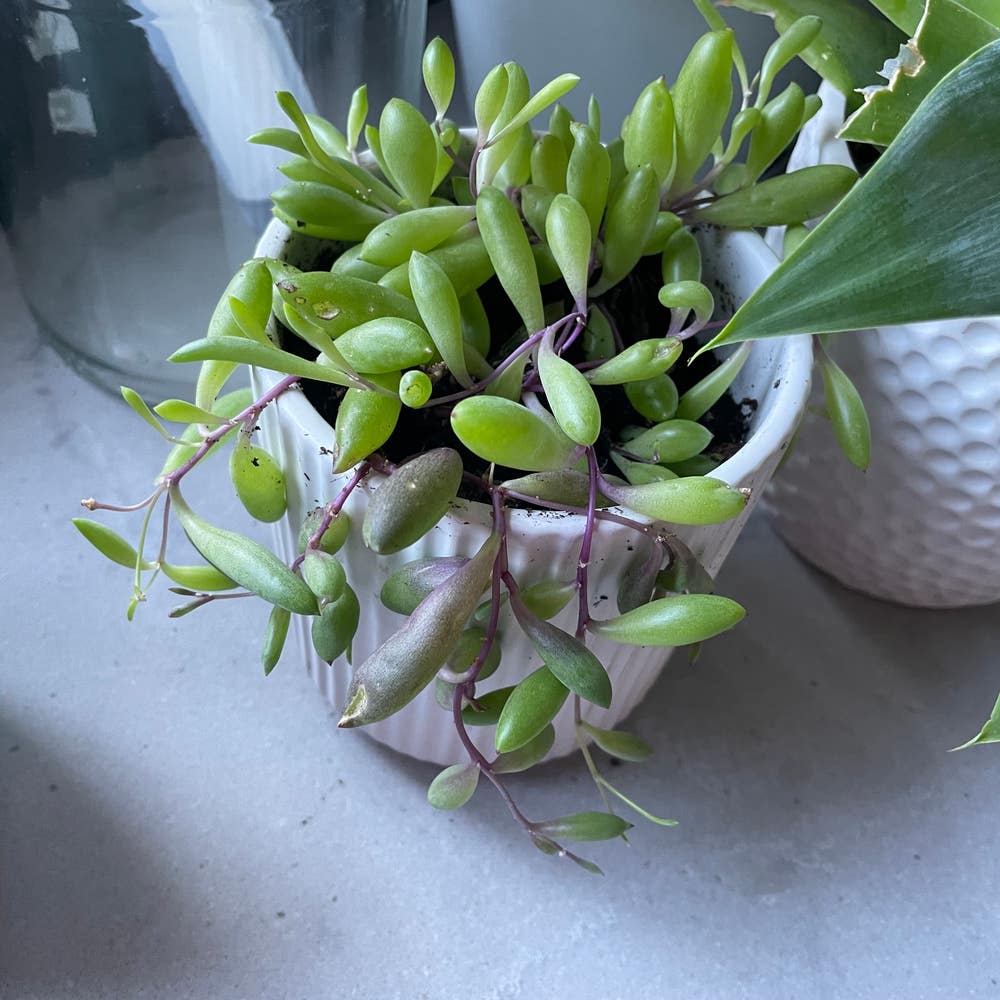
As seedlings emerge, they develop small, succulent leaves that maintain a distinctive bead-like structure. This unique appearance is one of the plant's charming features.
Root Development
A robust root system begins to form during this stage, anchoring the plant and supporting its future growth. Strong roots are essential for nutrient absorption and overall health.
The seedling stage is a vital period in the Ruby Necklace's life cycle, setting the foundation for its growth and resilience. As the seedlings mature, they will transition into the next exciting phase of development.
Vegetative Growth Stage
Duration of Vegetative Growth 🌱
The vegetative growth stage of the Ruby Necklace typically lasts around 6 to 12 months. This duration can vary based on environmental conditions, such as light and temperature.
Changes in Appearance and Structure 🌿
During this stage, you'll notice significant changes in the plant's growth habit. The stems will elongate and start to trail, giving it that signature cascading look.
Leaf Development 🍃
As the Ruby Necklace matures, its leaves become more pronounced and vibrant. You'll see a transformation in color, with leaves showcasing deeper greens that add to the plant's visual appeal.
Overall Size 📏
In optimal conditions, the Ruby Necklace can reach impressive lengths of up to 3 feet. This growth not only enhances its beauty but also makes it a striking addition to any space.
The vegetative growth stage is crucial for establishing a healthy foundation for the Ruby Necklace. As it develops, the plant prepares for the next exciting phase of its life cycle: flowering and seed production.
Flowering and Seed Production
Duration of Flowering 🌼
Flowering in Ruby Necklace typically occurs in late spring to early summer. This vibrant display lasts about 2-4 weeks, marking a crucial phase in the plant's life cycle.
Description of Flowers and Pollination 🐝
The flowers are small and yellow, growing in delightful clusters that catch the eye. They attract essential pollinators like bees and butterflies, which play a vital role in the plant's reproductive success.
Process of Seed Production 🌱
After the flowering phase, Ruby Necklace develops seed pods that contain seeds. Successful pollination is key, leading to fertilization and the formation of seeds that will ensure the next generation.
Duration and Conditions for Seed Maturation ⏳
Seed maturation takes approximately 4-6 weeks following pollination. For optimal development, the seeds require warm temperatures and adequate moisture, ensuring they are primed for growth when the time comes.
As we explore the growth rate and maturation of Ruby Necklace, we’ll uncover how quickly this fascinating plant can thrive under the right conditions.
Growth Rate and Maturation
🌱 How Fast Does Ruby Necklace Grow?
The Ruby Necklace is known for its rapid growth, especially when provided with optimal conditions. Under the right circumstances, it can reach maturity within just a year.
⏳ How Long Until Fully Grown?
Typically, you can expect the Ruby Necklace to mature in about 12 months. This quick turnaround makes it a rewarding plant for enthusiasts eager to see results.
📈 Factors Affecting Growth Rate
Several key factors influence how fast your Ruby Necklace will grow:
Light
Adequate sunlight is crucial for promoting faster growth. Aim for bright, indirect light to keep your plant thriving.
Watering
Proper watering techniques are essential for overall health and growth speed. Ensure the soil dries out between waterings to prevent root rot.
Soil Quality
Using nutrient-rich, well-draining soil enhances growth potential. A quality succulent mix will provide the necessary nutrients for robust development.
Understanding these factors can help you create the perfect environment for your Ruby Necklace, ensuring it flourishes beautifully. As you nurture your plant, you'll witness its transformation through various life stages, leading to a vibrant and mature specimen.
Next, we’ll explore the notable changes throughout the Ruby Necklace's life cycle, highlighting its unique adaptations and growth milestones.
Notable Changes Throughout Life Cycle
🎨 Changes in Color and Texture
As the Ruby Necklace matures, its color transitions from lighter greens to deeper, richer hues. This vibrant change not only enhances its aesthetic appeal but also indicates the plant's health and vitality.
The texture of the leaves evolves as well; they become thicker and more pronounced with age. This thickening is a sign of the plant's adaptation to its environment, allowing it to store more water and thrive.
🌵 Adaptations to Environmental Conditions
One of the most remarkable features of the Ruby Necklace is its drought resistance. The plant develops thicker leaves that serve as reservoirs for water, enabling it to survive in less-than-ideal conditions.
Additionally, its trailing growth habit is a clever adaptation. By spreading out, the Ruby Necklace captures more sunlight, maximizing its photosynthesis potential and ensuring robust growth.
🌱 Transition from Juvenile to Mature Plant
Throughout its life stages, the Ruby Necklace showcases notable growth milestones. As it progresses, you'll observe significant changes in size and structure, marking its journey from a juvenile to a mature plant.
Maturity is signified by flowering and seed production, which are exciting indicators of a fully developed Ruby Necklace. These stages not only highlight the plant's life cycle but also its resilience and adaptability in various environments.
This journey from seedling to maturity is a testament to the Ruby Necklace's ability to thrive, making it a fascinating plant to cultivate and observe.
⚠️ Safety First
This content is for general information and may contain errors, omissions, or outdated details. It is not medical, veterinary advice, or an endorsement of therapeutic claims.
Always consult a qualified healthcare professional before using any plant as food, medicine, or supplement.
Never eat any plant (or feed one to pets) without confirming its identity with at least two trusted sources.
If you suspect poisoning, call Poison Control (800) 222-1222, the Pet Poison Helpline (800) 213-6680, or your local emergency service immediately.
Spotted an error? Please report it here.
Unlock the secrets to a thriving Ruby Necklace 🌿 with Greg's personalized care tips and watering reminders that ensure your succulent flourishes beautifully!