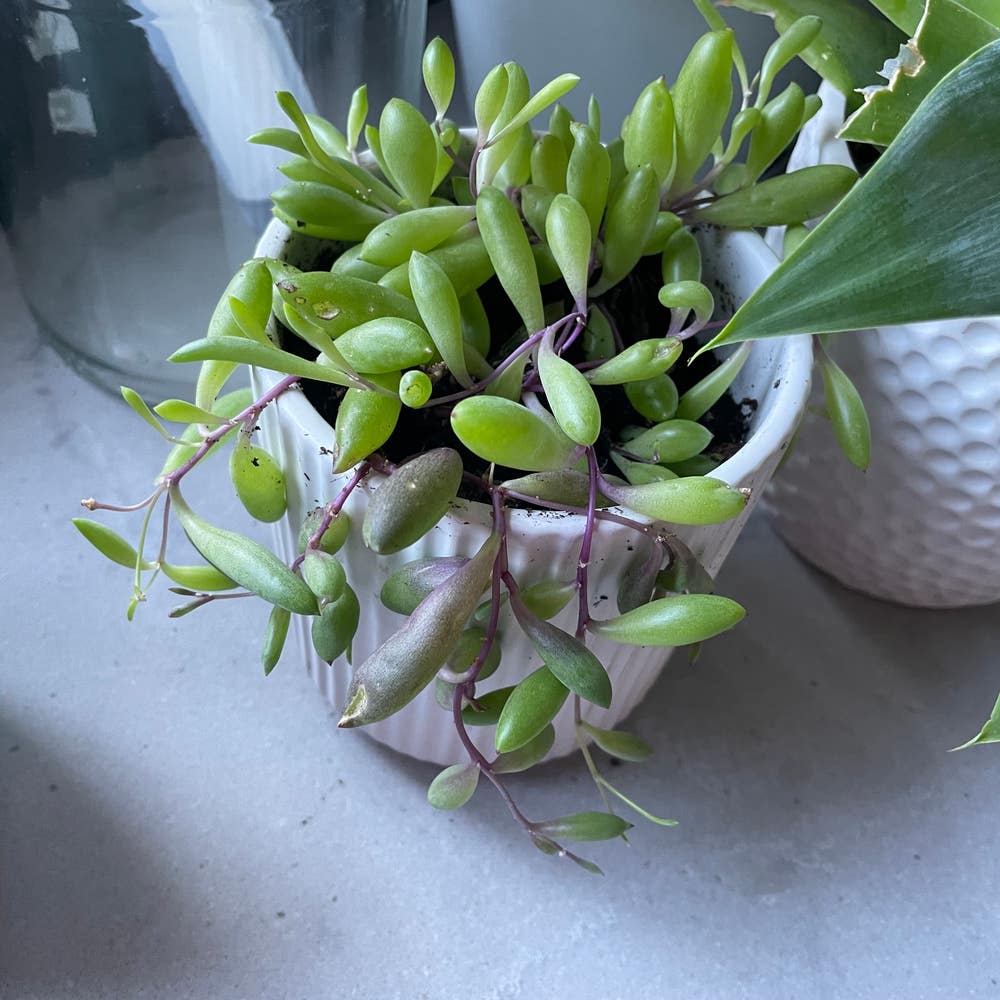
❄️ 9 Winter Care Mistakes to Avoid with Ruby Necklace
Crassothonna capensis
By the Greg Editorial Team
Nov 07, 2024•5 min read
This article was created with the help of AI so we can cover more plants for you. May contain errors. See one? Report it here.
Keep your Ruby Necklace thriving this winter by avoiding these common care mistakes! 🌱
- ❄️ Avoid overwatering during winter to prevent root rot in Ruby Necklace plants.
- 🌱 Provide sufficient light indoors to prevent weak growth and etiolation.
- 🌬️ Protect from frost and drafts to maintain healthy Ruby Necklace during winter.
Winter Care Mistakes to Avoid
💧 Overwatering during dormancy
Overwatering is a common mistake during the winter months. Symptoms include yellowing leaves and mushy stems, which indicate root rot is setting in.
Adjusting your watering frequency is crucial to prevent these issues. During dormancy, it's best to water only when the soil is completely dry.
❄️ Neglecting frost protection
Frost can wreak havoc on your Ruby Necklace. Risks include wilting, leaf drop, and even the potential death of the plant if not properly protected.
Taking proactive measures, like covering plants during cold nights, can save your succulents from frost damage.
🌞 Inadequate light exposure indoors
Insufficient light can lead to serious consequences for your Ruby Necklace. Etiolation and weak growth are common signs that your plant isn’t getting enough light.
To combat this, place your succulents near south-facing windows where they can soak up maximum sunlight.
🚫 Incorrect fertilizing practices
Fertilizing during dormancy can be detrimental. Risks include nutrient burn and stunted growth, which can set your plant back significantly.
It's essential to withhold fertilizer until spring when your Ruby Necklace is ready to thrive again.
🌡️ Ignoring temperature fluctuations
Sudden temperature changes can stress your Ruby Necklace. These fluctuations can lead to health issues, making it vital to maintain a stable indoor environment.
Consider using thermometers to monitor temperatures and keep your plant in a consistent spot away from drafts.
🌬️ Failing to monitor humidity levels
Low humidity can cause leaf shriveling and poor growth in your Ruby Necklace. Monitoring humidity levels is key to keeping your succulent healthy.
Aim for a humidity level that suits succulents, and consider using a humidifier if your indoor air is too dry.
By avoiding these winter care mistakes, you can ensure that your Ruby Necklace remains healthy and vibrant throughout the colder months. Next, let’s explore effective frost protection strategies to safeguard your plants.
Frost Protection Strategies
Best Practices for Outdoor Frost Protection ❄️
Protecting your Ruby Necklace from frost is crucial for its survival during winter. Start by covering your plants with frost cloth or burlap on cold nights to shield them from harsh temperatures.
Another effective strategy is to use mulch around the base of your plants. This helps insulate the soil and roots, providing an extra layer of protection against freezing conditions. If the cold becomes extreme, consider bringing your potted Ruby Necklace indoors to keep it safe and warm.
Indoor Protection Methods for Ruby Necklace 🏠
Indoor care is just as important when it comes to frost protection. Position your Ruby Necklace near south-facing windows to ensure it receives maximum light exposure, which is vital during the shorter winter days.
Additionally, be mindful of drafts. Avoid placing your plants near windows and doors where cold air can seep in, as this can lead to temperature fluctuations that stress your succulent. Keeping your plant cozy will help it thrive even in the chill of winter.
With these frost protection strategies, your Ruby Necklace will be well-equipped to weather the winter months. Next, let’s explore how to adjust care schedules to support your plant during this dormant season.
Adjusting Care Schedules
🌧️ Modifying watering frequency in winter
During winter, it's crucial to adjust your watering schedule for your Ruby Necklace. Water only when the soil is completely dry to avoid overwatering, which can lead to root rot.
To determine when to water, look for signs like dry soil and shriveled leaves. If the soil feels dry an inch below the surface, it's time for a drink.
❄️ Adjusting fertilization during dormancy
When it comes to fertilizing your Ruby Necklace, the winter months are a no-go. With the plant in dormancy, applying fertilizer can cause nutrient burn and hinder growth.
As spring approaches and growth resumes, it's time to reintroduce fertilization. This will help your plant thrive as it transitions back into its active growing phase.
Recovery from Winter Damage
🌨️ Signs of winter damage in Ruby Necklace
Winter can be tough on your Ruby Necklace, and recognizing the signs of damage is crucial. Look out for wilting leaves, discoloration, and mushy stems—these symptoms indicate your plant is struggling.
Assessing the extent of the damage is essential for determining the recovery needs of your Ruby Necklace. A quick inspection can help you decide whether it needs a little TLC or a more intensive intervention.
🌱 Steps for recovery and care in spring
Once you've identified the damage, it's time to take action. Start by pruning away any damaged leaves and stems; this encourages new growth and helps the plant focus its energy on recovery.
Next, adjust your watering schedule to promote healing. Water only when the soil is completely dry, allowing the roots to breathe and recover.
Finally, as your Ruby Necklace begins to show signs of new growth, gradually reintroduce fertilization. This will provide the nutrients needed to support its revival and prepare it for the vibrant growing season ahead.
By following these steps, you can help your Ruby Necklace bounce back from winter's harsh effects and thrive in the spring. Transitioning to the next topic, let’s explore how to prepare your plant for the upcoming growth season.
Spring Preparation
Transitioning Ruby Necklace from winter to spring 🌱
As winter fades, you'll notice signs that your Ruby Necklace is ready for a seasonal shift. Look for increased light and warmer temperatures, which signal that it's time to help your plant transition.
Gradually acclimatizing your Ruby Necklace to outdoor conditions is essential, especially if it spent the winter indoors. Start by placing it outside for a few hours each day, gradually increasing exposure to sunlight and fresh air.
Preparing for new growth and care adjustments 🌼
With spring's arrival, it's time to adjust your care routine for optimal growth. Begin by modifying your watering schedule to support the Ruby Necklace's active growth phase.
As the plant resumes its growth, be vigilant for pests and diseases. Regular monitoring will help you catch any issues early, ensuring your Ruby Necklace thrives throughout the season.
With these adjustments, your plant will be well-prepared to flourish as the days grow longer and warmer.
⚠️ Safety First
This content is for general information and may contain errors, omissions, or outdated details. It is not medical, veterinary advice, or an endorsement of therapeutic claims.
Always consult a qualified healthcare professional before using any plant as food, medicine, or supplement.
Never eat any plant (or feed one to pets) without confirming its identity with at least two trusted sources.
If you suspect poisoning, call Poison Control (800) 222-1222, the Pet Poison Helpline (800) 213-6680, or your local emergency service immediately.
Spotted an error? Please report it here.
Keep your Ruby Necklace thriving this winter ❄️ by using Greg's tailored reminders to avoid overwatering and ensure it gets the light it craves!