🔍 Identifying What is Eating Your Ruby Necklace
Crassothonna capensis
By the Greg Editorial Team
Oct 31, 2024•6 min read
This article was created with the help of AI so we can cover more plants for you. May contain errors. See one? Report it here.
Safeguard your ruby necklace from hungry herbivores 🌱 with these expert tips for a flourishing garden! 🌼
- 🦌 Deer, rabbits, and squirrels are common herbivores damaging ruby necklaces.
- 🚫 Use fences, repellents, and netting to protect your plants from these pests.
- 🔍 Regular monitoring helps detect herbivore activity early for effective management.
Appearance and Appeal
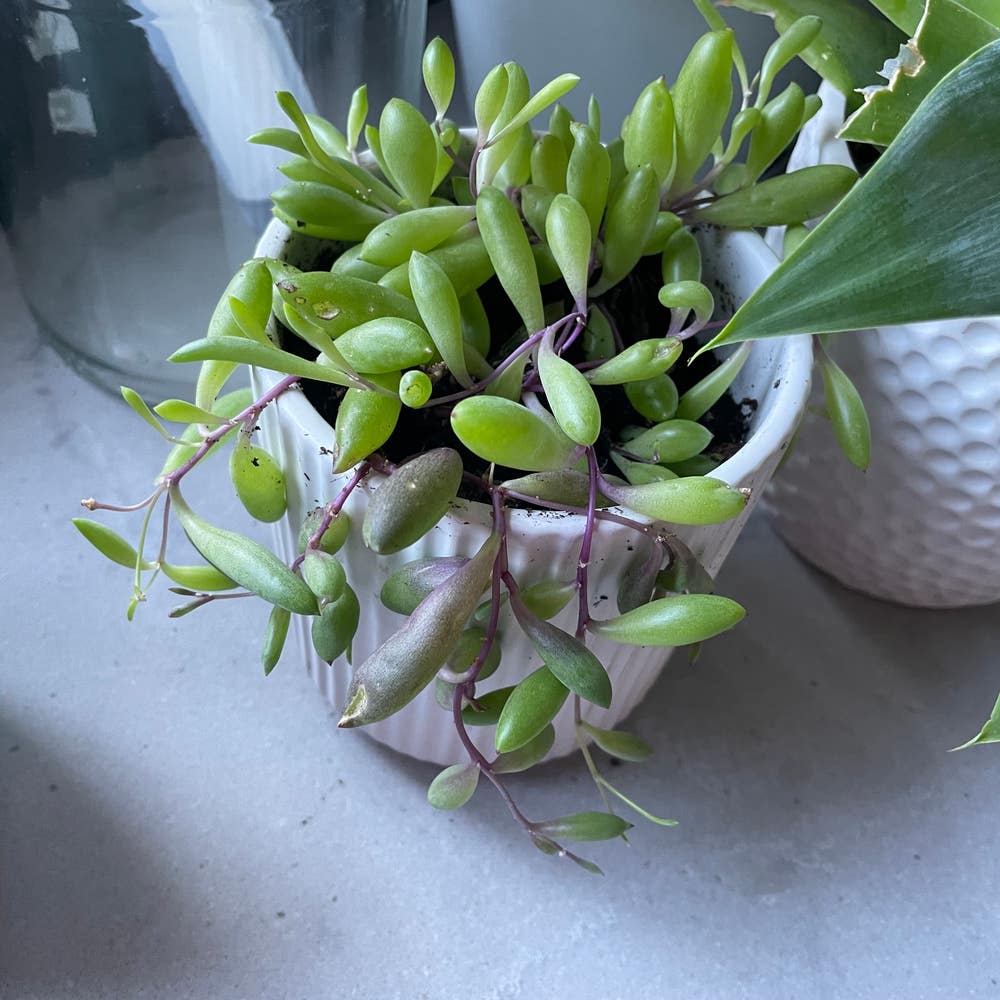
Ruby necklaces are visually striking, characterized by their trailing stems adorned with small, round leaves. These plants burst into life with vibrant yellow flowers that not only beautify the garden but also attract a variety of pollinators.
🐾 Most Appealing Parts to Animals
Herbivores are particularly drawn to specific parts of the ruby necklace.
- Young Shoots: These tender and moist shoots are a favorite among many herbivores, offering a nutritious snack.
- Fruits: Juicy and nutrient-rich, the fruits are often targeted by various animals seeking a delicious treat.
- Flowers: The bright and fragrant blooms not only entice pollinators but also attract herbivores looking for a feast.
Understanding these appealing features can help you protect your ruby necklace from potential threats. By recognizing what attracts animals, you can take proactive steps to safeguard your plants.
As we delve deeper into the challenges posed by common herbivores, you'll learn how to identify their presence and the damage they can cause.
Common Herbivores
🦌 Deer
Signs of presence
Look for distinct hoof prints in the soil, which indicate deer activity around your ruby necklace. Additionally, dark, pellet-like droppings near the plant are a clear sign that these herbivores are nearby.
Type of damage caused
Deer are notorious for browsing on leaves and stems, often stripping them bare and causing stunted growth. This can severely impact the health of your plants.
Beneficial vs. harmful interaction
Interactions with deer are generally harmful. If not managed, they can decimate your plant populations, leading to significant losses.
Deterrent methods (difficulty: moderate)
To keep deer at bay, consider erecting 8-foot tall fences to prevent access. You can also use commercial deer repellents or homemade solutions like garlic spray to deter them.
🐰 Rabbits
Signs of presence
Rabbits leave behind clean cuts on stems, indicating their gnawing habits. You may also find small, round droppings scattered around your plants.
Type of damage caused
These critters are particularly damaging to young shoots and leaves, leading to significant harm to new growth. Their appetite can quickly turn your garden into a barren landscape.
Beneficial vs. harmful interaction
Rabbits are generally harmful to your plants. Their feeding can result in severe damage, especially to tender new growth.
Deterrent methods (difficulty: easy)
To protect your plants, use netting to cover them and prevent rabbit access. Additionally, reducing hiding spots around your garden can help deter these furry intruders.
🐿️ Squirrels
Signs of presence
Look for irregular holes in foliage, which indicate squirrel activity. You may also spot nests in nearby trees or shrubs, signaling their presence.
Type of damage caused
Squirrels can cause bark stripping and leaf consumption, which weakens the overall structure of your plants. This stress can lead to reduced vigor and health.
Beneficial vs. harmful interaction
Interactions with squirrels are generally harmful. Their feeding habits can lead to significant stress on your plants.
Deterrent methods (difficulty: moderate)
To deter squirrels, employ scare tactics like noise makers or reflective objects. Installing wire mesh around the base of your plants can also serve as a physical barrier.
🐦 Birds
Signs of presence
Pecked fruits with visible holes or damage are a telltale sign of bird activity. You might also notice nesting activity in nearby trees or shrubs.
Type of damage caused
Birds often feed on fruits and flowers, which can reduce both yield and aesthetic appeal. This can be particularly frustrating for gardeners hoping to enjoy their harvest.
Beneficial vs. harmful interaction
Bird interactions can be mixed. While some birds serve as pollinators, others may cause damage to your plants.
Deterrent methods (difficulty: easy)
To keep birds away, use decoys that mimic predators or hang shiny materials to deter feeding. These simple methods can help protect your plants.
🐭 Rodents (mice, voles)
Signs of presence
Look for small holes in the ground near your plants, indicating tunneling activity. Gnaw marks on stems and roots are another sign that rodents are nearby.
Type of damage caused
Rodents can cause root damage and stem gnawing, which may ultimately lead to plant death. Their feeding habits can severely compromise your plants' health.
Beneficial vs. harmful interaction
Rodents are generally harmful to your garden. Their presence can result in significant damage to your plants.
Deterrent methods (difficulty: hard)
To manage rodent populations, set snap traps or live traps around your garden. Additionally, reducing ground cover can limit their hiding spots.
🦡 Groundhogs/Woodchucks
Signs of presence
Look for large burrows in the ground near your plants, which indicate groundhog activity. You may also notice distinctive damage on lower stems and leaves.
Type of damage caused
Groundhogs can cause extensive feeding damage, often decimating entire plants quickly. Their voracious appetite can lead to significant losses in your garden.
Beneficial vs. harmful interaction
Interactions with groundhogs are generally harmful. They can lead to the loss of multiple plants if not controlled.
Deterrent methods (difficulty: moderate)
To deter groundhogs, consider installing buried fencing to prevent burrowing. You can also use commercial or homemade repellents to keep them away.
Understanding the common herbivores that threaten your ruby necklace is crucial for effective garden management. By recognizing their signs and employing appropriate deterrent methods, you can protect your plants and enjoy a thriving garden. Next, let’s explore general strategies for protecting your plants from these herbivores.
General Strategies for Protection
Protecting your ruby necklace from herbivores requires a proactive approach. Regular monitoring for signs of animal activity is essential to catch any issues early.
🛡️ Preventive Measures for Herbivore Damage
One effective strategy is to plant companion plants that deter herbivores. These plants can create a natural barrier, making your garden less appealing to unwanted visitors.
⚠️ Reactive Solutions for Managing Animal Interactions
If you notice damage, take immediate action to mitigate further harm. Adjusting your care practices can also strengthen plant resilience, helping them recover more quickly.
🌱 Seasonal Considerations
Be aware that herbivore activity often spikes in spring, coinciding with new growth. Young shoots are particularly vulnerable during this time, so extra vigilance is crucial.
☠️ Toxicity Considerations
While generally non-toxic, ruby necklaces can cause mild gastrointestinal upset if consumed in large quantities. It's good to know this, especially if you have pets that might be curious.
By implementing these strategies, you can create a thriving environment for your ruby necklace while minimizing the impact of herbivores. Next, let’s explore the specific herbivores that may be causing trouble in your garden.
⚠️ Safety First
This content is for general information and may contain errors, omissions, or outdated details. It is not medical, veterinary advice, or an endorsement of therapeutic claims.
Always consult a qualified healthcare professional before using any plant as food, medicine, or supplement.
Never eat any plant (or feed one to pets) without confirming its identity with at least two trusted sources.
If you suspect poisoning, call Poison Control (800) 222-1222, the Pet Poison Helpline (800) 213-6680, or your local emergency service immediately.
Spotted an error? Please report it here.
Keep your ruby necklace thriving 🌼 by using Greg's personalized alerts to spot pests early and implement effective deterrents for a flourishing garden!