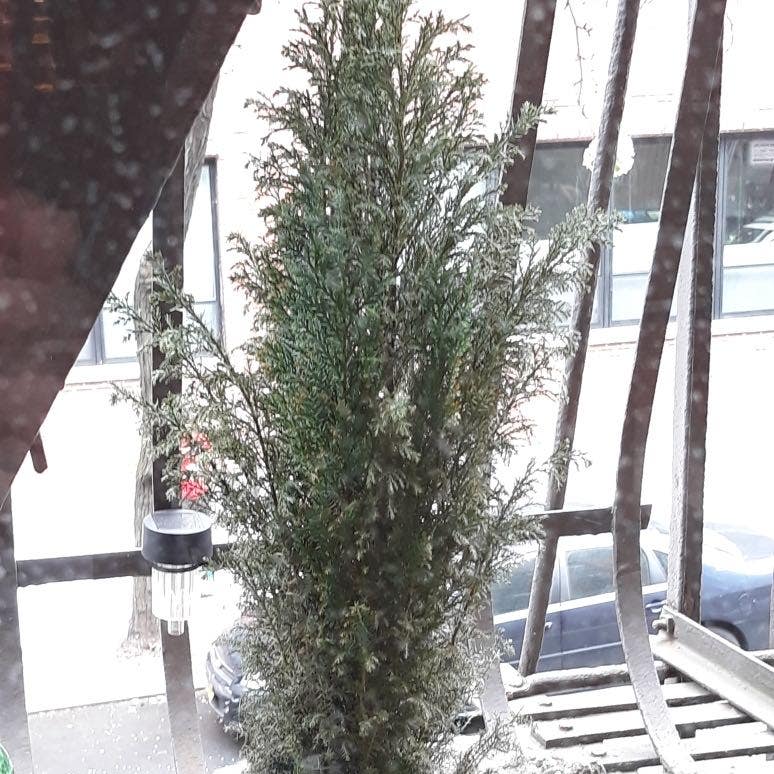
💧 How Much Humidity Does My Lawson Cypress Need?
Chamaecyparis lawsoniana 'Ellwoodii'
By the Greg Editorial Team
Jun 18, 2024•3 min read
This article was created with the help of AI so we can cover more plants for you. May contain errors. See one? Report it here.
Discover how to hit the humidity sweet spot 🎯 for your Lawson Cypress, ensuring its lush growth and health.
- Brown tips and droopy branches signal your Lawson Cypress needs more humidity.
- Mold and root rot warn of too much moisture; adjust your watering strategy.
- Hygrometers help monitor humidity; use humidifiers or dehumidifiers as needed.
Spotting the Signs: When Your Lawson Cypress Craves More Humidity
🌵 Recognizing dry distress
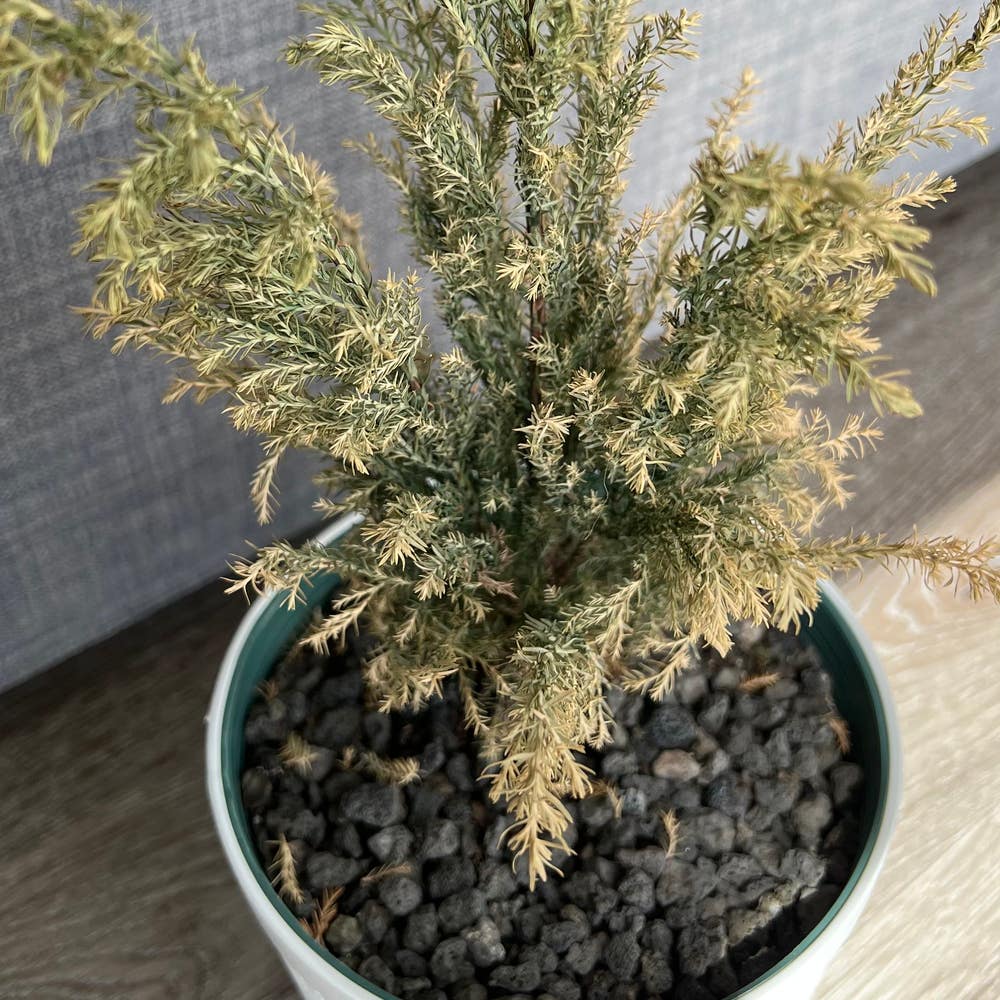
- Brown tips and dry foliage are telltale signs of a humidity-starved Lawson Cypress.
- Drooping or brittle branches? Your tree is practically begging for a moisture boost.
🌧 Understanding the signs of too much moisture
- Mold growth on your Lawson Cypress is like a red flag for a humidity house party gone wrong.
- Symptoms of root rot include a base that feels as mushy as overcooked noodles—definitely not a good sign.

Measuring Up: Tools to Track Humidity for Your Lawson Cypress
🌡️ Getting to grips with a hygrometer
Hygrometers: they're not just fancy coasters. To use one, place it near your Lawson Cypress, but dodge those deceitful sunbeams and drafts. A reading between 40-60% is your sweet spot; anything outside this range, and your plant might throw a fit.
- Avoid direct sunlight when placing the hygrometer.
- Check readings throughout the day to catch the full drama of humidity fluctuations.
🌿 Other signs of humidity levels
Your Lawson Cypress is a bit of a diva when it comes to humidity, and it's not shy about showing it. Observe its mood swings—crispy tips or sullen, droopy leaves are its way of saying, "Fix it, human!"
- Seasonal changes can turn your plant's world upside down. Keep an eye out for its seasonal soap opera to prevent a tragic finale.

Creating a Humidity Haven: Boosting Moisture for Your Lawson Cypress
🌿 Indoor oasis strategies
Grouping plants is a simple yet effective technique to increase humidity. By placing your Lawson Cypress near other plants, you create a communal microclimate that naturally elevates moisture levels through transpiration.
Using a humidifier can be a game-changer for maintaining ideal humidity. It's a set-it-and-forget-it solution that ensures your Lawson Cypress is basking in just the right amount of moisture.
🌲 Outdoor humidity helpers
Strategic watering is key outdoors. Ensure you're soaking the root zone thoroughly to promote a humid microenvironment, especially during dry spells.
Providing shelter for your Lawson Cypress can protect it from drying winds. Positioning it near a structure or other plants can help retain ambient moisture, giving it a subtle humidity boost.

Too Damp? Dialing Down Humidity for Lawson Cypress Health
🌬️ Indoor adjustments
Ventilation tips
Ventilation is your ally in the fight against dampness. Crack a window or run a fan to keep the air moving. It's like giving your Lawson Cypress room to breathe in a crowded elevator.
💧 When to consider a dehumidifier
If your indoor jungle feels more like a rainforest, it's dehumidifier time. Deploy it when the air feels thicker than a mystery novel, but don't overdo it; your plant's not on a quest for desert air.
🌳 Outdoor considerations
Plant placement
Location is everything. Place your Lawson Cypress where it can enjoy the breeze but avoid sitting in a puddle of its own sweat. Think of it as choosing the right seat at a dinner party—somewhere comfortable but with good company.
🌱 Soil and mulching techniques
Mulch can be your secret weapon or your worst enemy. Use it to keep the soil moist, not soggy, like a well-made sponge cake. And remember, soil should drain faster than your enthusiasm on a Monday morning.
⚠️ Safety First
This content is for general information and may contain errors, omissions, or outdated details. It is not medical, veterinary advice, or an endorsement of therapeutic claims.
Always consult a qualified healthcare professional before using any plant as food, medicine, or supplement.
Never eat any plant (or feed one to pets) without confirming its identity with at least two trusted sources.
If you suspect poisoning, call Poison Control (800) 222-1222, the Pet Poison Helpline (800) 213-6680, or your local emergency service immediately.
Spotted an error? Please report it here.
Ensure your Lawson Cypress is never too thirsty or too drowned 💧 with Greg's personalized humidity tracking and care tips, perfect for keeping those needles lush.