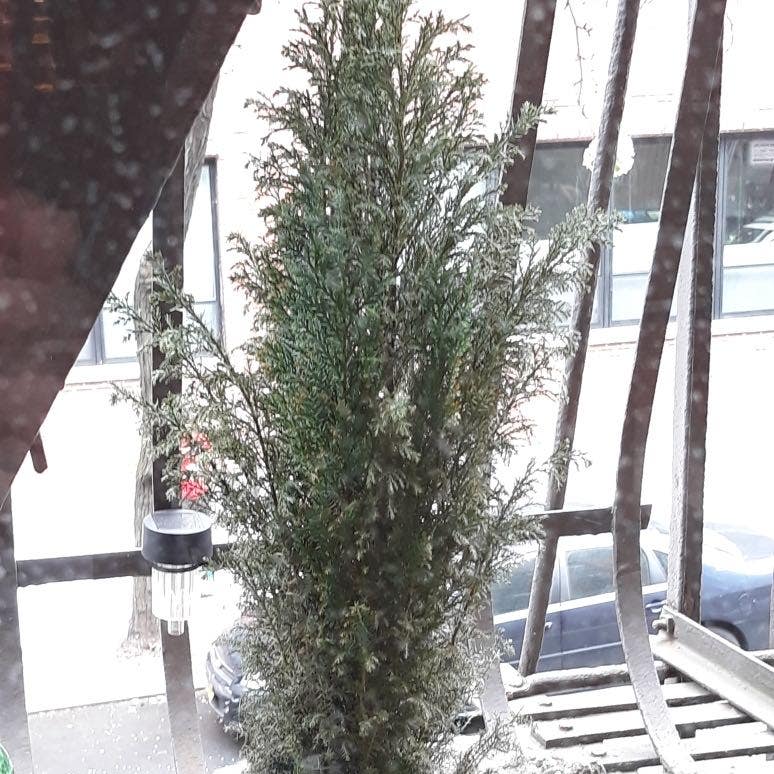
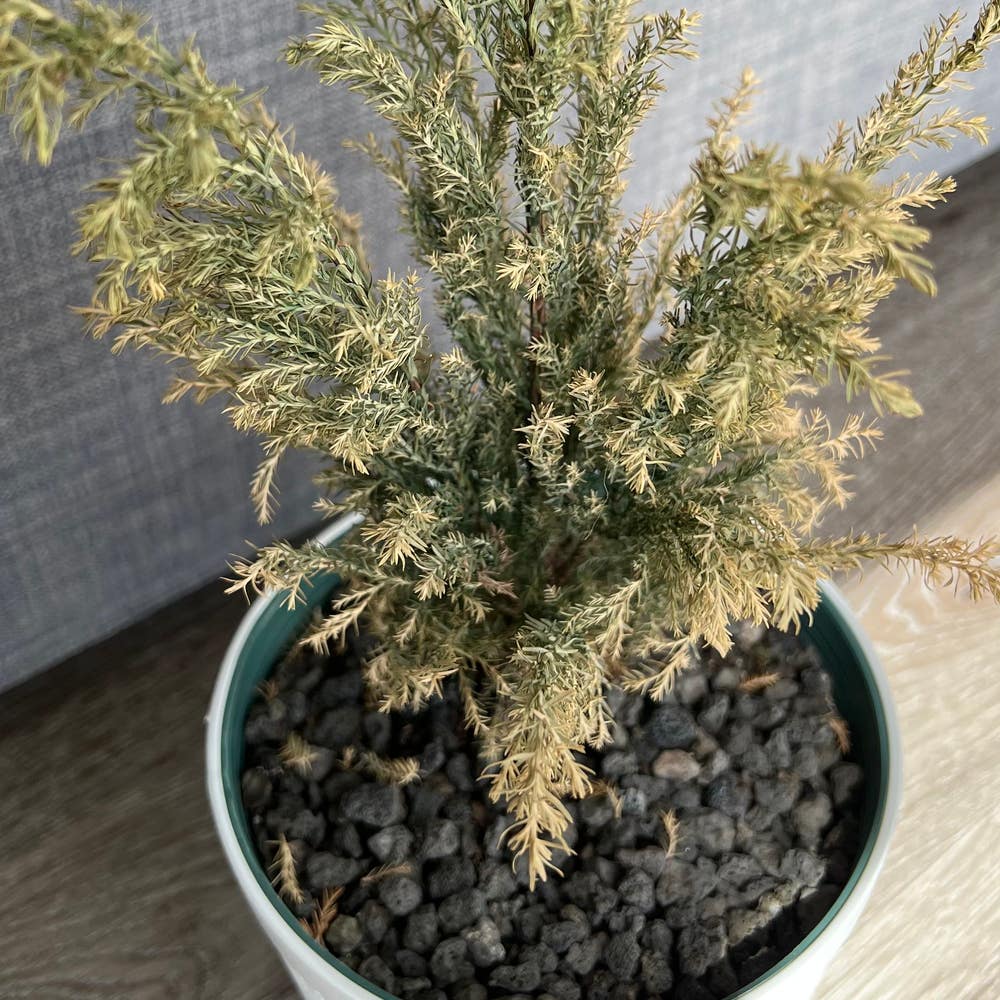
🌲 How to Fix Brown Spots on Your Mini European Cypress Tree
Chamaecyparis lawsoniana 'Ellwoodii'
By the Greg Editorial Team
Oct 16, 2024•5 min read
This article was created with the help of AI so we can cover more plants for you. May contain errors. See one? Report it here.
Revive your Mini European Cypress tree by uncovering the secrets to diagnosing and treating brown spots! 🌿
- 🌧️ Brown spots arise from drought, overwatering, or temperature extremes. Adjust care accordingly.
- 🦠 Fungal infections and pests weaken trees, causing brown spots. Regular inspections are key.
- 🌱 Nutrient deficiencies can lead to browning. Soil testing helps identify necessary amendments.
Causes of Brown Spots
🌍 Environmental Stress Factors
Drought Stress
Drought stress is a common culprit behind brown spots on your Mini European Cypress tree. When the leaves turn brown and crispy, it signals that the tree is not receiving enough water, leading to leaf desiccation.
Overwatering
On the flip side, overwatering can also cause issues. Yellowing leaves that eventually brown indicate that the roots are suffering from rot, especially in poorly drained soils.
Temperature Extremes
Temperature extremes can shock your tree, causing browning at the leaf tips during cold snaps. Sudden changes in temperature can be particularly harmful, so it's essential to monitor conditions closely.
🍄 Fungal Infections and Diseases
Common Fungal Diseases
Fungal infections like Phytophthora and Cercospora can lead to unsightly brown spots. These spots often have yellow halos or dark margins, making them easy to identify.
Conditions Favoring Fungal Growth
High humidity and poor air circulation create a perfect storm for fungal growth. Overhead watering practices that keep foliage wet can exacerbate the problem, so be mindful of how you water.
🐛 Pest Infestations
Common Pests
Spider mites and aphids are two pests that can wreak havoc on your tree. Look for stippled leaves and webbing from spider mites, or curling leaves and sticky residue from aphids.
Impact of Pests
Pests weaken the tree, making it more susceptible to diseases. Addressing pest issues promptly is crucial for maintaining the health of your Mini European Cypress.
🥦 Nutrient Deficiencies
Common Deficiencies
Nutrient deficiencies can also manifest as brown spots. A lack of nitrogen leads to yellowing leaves with brown spots, while iron deficiency causes interveinal chlorosis, where the area between the veins turns yellow.
Soil Testing
Testing your soil is vital for identifying nutrient levels. This proactive step can help you determine the right amendments to keep your tree thriving.
Understanding these causes is the first step in effectively treating and preventing brown spots. Next, we’ll explore how to diagnose these issues accurately.
Diagnosis of Brown Spots
🕵️♂️ Identifying Symptoms
Visual inspection is your first step in diagnosing brown spots on your Mini European Cypress tree. Look for patterns in the spots—are they random or clustered?
Check for accompanying symptoms like wilting, yellowing leaves, or even webbing, which can indicate pest issues. These signs can provide crucial clues about the underlying problem.
🔍 Differentiating Between Causes
Next, differentiate between environmental and biological factors. Assess your watering practices and overall environmental conditions, as these can greatly affect your tree's health.
Examine the tree for pests or signs of fungal infections. Identifying the root cause is essential for effective treatment.
📞 When to Seek Professional Help
If you notice extensive leaf damage or signs of tree decline, it may be time to seek professional help. Persistent issues despite your best treatment efforts can indicate a more serious problem.
Don't hesitate to consult an expert if you're feeling overwhelmed. Early intervention can save your tree from further decline.
With a clear understanding of symptoms and causes, you can take the next steps toward treatment and prevention.
Treatment Options
🌱 Organic Treatments for Fungal Infections
Fungal infections can be a real headache for your Mini European Cypress. Fungicides like neem oil and sulfur-based options are effective in combating these issues.
Always follow the label instructions for frequency and dosage to ensure the best results. This will help you manage the infection without harming the tree.
🐞 Chemical Treatments for Pests
Pests can wreak havoc on your tree's health. Insecticides such as pyrethroids or systemic insecticides can target specific pests effectively.
When applying these chemicals, aim to minimize harm to beneficial insects. This balance is crucial for maintaining a healthy ecosystem around your tree.
💧 Adjusting Watering Practices
Watering practices play a significant role in your tree's health. Water deeply but infrequently to encourage deep root growth, which helps the tree withstand stress.
Timing is also essential; watering in the morning reduces evaporation and fungal growth. This simple adjustment can make a big difference.
🌿 Fertilization to Address Nutrient Deficiencies
Nutrient deficiencies can lead to brown spots, so proper fertilization is key. Use balanced NPK fertilizers or specific nutrient blends tailored to your tree's needs.
Always follow soil test recommendations for dosage. This ensures your tree receives the right nutrients for optimal health.
By implementing these treatment options, you can effectively address brown spots and promote the overall health of your Mini European Cypress. Next, let’s explore some prevention strategies to keep your tree thriving.
Prevention Strategies
Proper Watering Techniques 🌊
Establishing a consistent watering schedule is crucial for your Mini European Cypress tree. Tailor your routine based on seasonal needs and rainfall to ensure your tree receives adequate moisture without becoming waterlogged.
Ensure that the soil drains well to prevent root rot. Poor drainage can lead to serious health issues for your tree, so consider using raised beds or amending the soil if necessary.
Soil and Drainage Considerations 🏞️
Your tree thrives in well-drained, slightly acidic to neutral soils. Choosing the right soil type can make a significant difference in its overall health.
Incorporate organic matter to improve soil structure and drainage. This not only enhances nutrient availability but also promotes healthy root development.
Sunlight and Location Requirements ☀️
Full sun exposure, ideally 6-8 hours daily, is essential for healthy growth. Position your tree where it can soak up the sun's rays without obstruction.
Avoid shaded areas that can promote fungal growth. A sunny spot not only boosts growth but also helps prevent diseases.
Regular Inspection and Maintenance 🔍
Routine checks are vital for catching early signs of issues. Regularly inspect leaves and branches for any abnormalities or pests.
Pruning is another key maintenance step. Remove dead or diseased foliage to improve air circulation and reduce the risk of fungal infections.
By implementing these prevention strategies, you can help your Mini European Cypress tree thrive and minimize the risk of brown spots. Next, let’s delve into diagnosing those pesky brown spots effectively.
⚠️ Safety First
This content is for general information and may contain errors, omissions, or outdated details. It is not medical, veterinary advice, or an endorsement of therapeutic claims.
Always consult a qualified healthcare professional before using any plant as food, medicine, or supplement.
Never eat any plant (or feed one to pets) without confirming its identity with at least two trusted sources.
If you suspect poisoning, call Poison Control (800) 222-1222, the Pet Poison Helpline (800) 213-6680, or your local emergency service immediately.
Spotted an error? Please report it here.
Keep your Mini European Cypress tree vibrant and healthy 🌲 by using Greg's tailored reminders for watering and nutrient management to prevent those pesky brown spots!