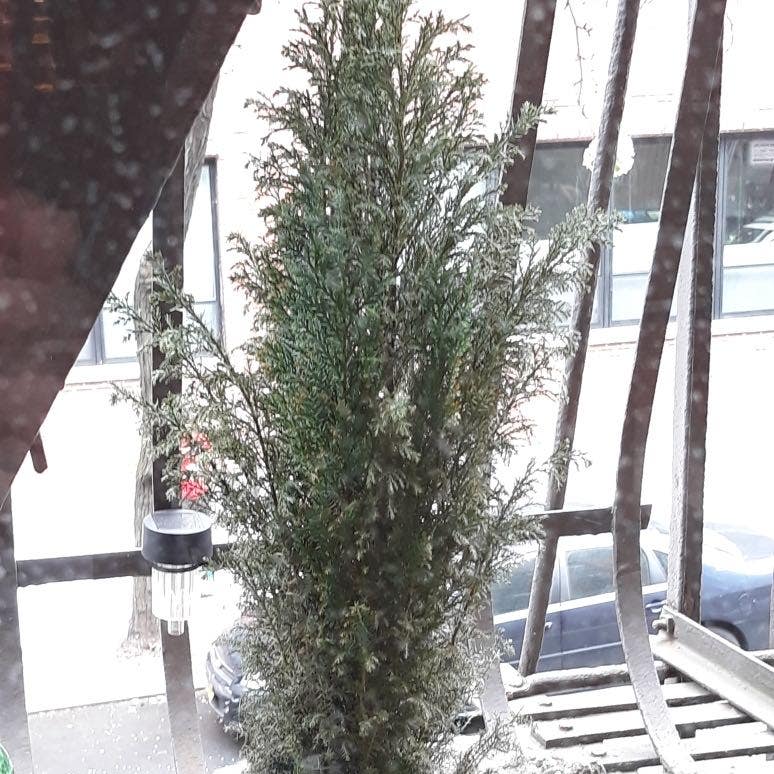
🌲 8 Winter Threats to Your Mini European Cypress Tree
Chamaecyparis lawsoniana 'Ellwoodii'
By the Greg Editorial Team
Oct 16, 2024•5 min read
This article was created with the help of AI so we can cover more plants for you. May contain errors. See one? Report it here.
Keep your Mini European Cypress thriving this winter with essential tips for frost protection and indoor care! 🌲❄️
- ❄️🌲 Protect your Mini European Cypress from frost with mulching and coverings.
- 💧 Reduce watering in winter to prevent root rot; monitor soil moisture carefully.
- 🌱🏠 Bring indoors if temperatures drop; maintain humidity for optimal growth.
Winter Care Requirements
🥶 Protecting from Frost
Frost can be a formidable foe for your Mini European Cypress. To safeguard your tree, consider these effective frost protection techniques:
Mulching: Apply a layer of organic mulch around the base to insulate the roots. This helps maintain a stable temperature in the soil.
Covering: Use frost cloths or burlap to shield the tree during extreme cold. These materials provide essential protection against harsh weather.
Windbreaks: Erect barriers to reduce wind exposure, which can exacerbate frost damage. A simple fence or row of shrubs can make a big difference.
When selecting materials, consider the following:
Frost Cloth: Lightweight and breathable, it allows light and moisture in while protecting against frost.
Burlap: Provides thicker insulation for more severe conditions, making it ideal for particularly cold spells.
💧 Adjusting Watering Schedules During Winter
As winter sets in, adjusting your watering schedule is crucial.
Watering Frequency: Reduce how often you water as the tree enters dormancy. This helps prevent root rot during the colder months.
Monitor Soil Moisture: Ensure the soil remains slightly moist but not waterlogged. A simple finger test can help you gauge moisture levels.
Hydration remains vital even in dormancy.
- Prevent Desiccation: The tree can still lose moisture through its leaves, so keep an eye on its hydration needs.
🌱 Fertilizing Considerations for Winter Months
Fertilizing your Mini European Cypress during winter requires careful consideration.
General Guidelines: Avoid fertilizing during dormancy, as nutrient uptake is minimal. Instead, focus on pre-winter fertilization.
Pre-Winter Fertilization: Apply a slow-release fertilizer in late fall to prepare your tree for winter. This gives it the nutrients it needs to survive the cold.
When choosing fertilizers, opt for:
- Balanced NPK Fertilizers: These ensure a mix of nitrogen, phosphorus, and potassium, promoting overall health and resilience.
By following these winter care requirements, you can help your Mini European Cypress thrive despite the challenges of the season. Next, let’s explore how to care for your tree indoors during the colder months.
Indoor Winter Care
🌡️ When to Bring Your Cypress Indoors
As winter approaches, keep an eye on sudden temperature drops. If temperatures dip below your tree's cold hardiness range, it's time to act.
Extended frost warnings are another sign. Always monitor local weather forecasts for prolonged cold spells to ensure your tree stays safe.
🌱 Ideal Indoor Conditions for Mini European Cypress
Your Mini European Cypress thrives in bright, indirect light. Position it near a window where it can soak up filtered sunlight without direct exposure.
Temperature is crucial too. Aim to maintain indoor conditions between 60°F to 70°F (15°C to 21°C) for optimal growth.
Humidity plays a significant role in keeping your tree healthy. Increase humidity by using a humidifier or placing a tray of water nearby to prevent desiccation.
By providing these ideal indoor conditions, you can help your Mini European Cypress flourish even during the cold winter months. This preparation sets the stage for a vibrant spring growth, ensuring your tree is ready to thrive.
Spring Preparation
🌨️ Signs of Winter Damage to Look For
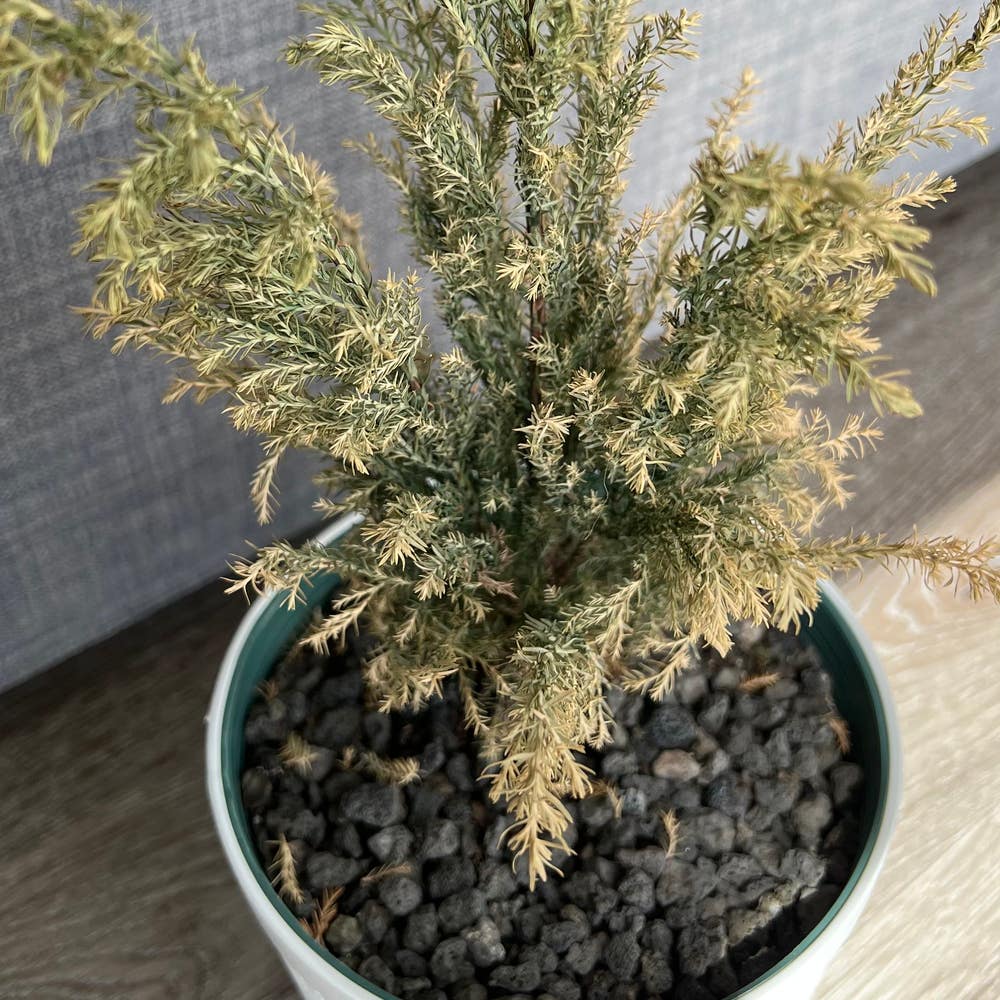
As winter fades, it's crucial to assess your Mini European Cypress for signs of damage. Look for browning or yellowing foliage, which often indicates frost damage or dehydration.
Dropping needles can signal stress or pest issues. Additionally, inspect the structural integrity of the tree by checking for broken branches or split trunks.
⚡️ Steps for Recovery from Winter Stress
Once you've identified any damage, it's time to take action. Start by pruning away dead or damaged branches to encourage healthy growth.
Next, gradually increase watering as temperatures rise and the tree begins to wake from dormancy. In early spring, apply a balanced fertilizer to support recovery and promote robust growth.
🌱 Preparing for Spring Growth
Preparation is key for a thriving spring. Begin by aerating and amending the soil to improve drainage and nutrient availability.
Regularly monitor for new growth and adjust your care routine accordingly. This proactive approach will set your Mini European Cypress up for a vibrant season ahead.
As you prepare for spring, remember that attentive care during this transitional period can make all the difference in your tree's health and vitality.
Common Winter Problems and Solutions
🌨️ Identifying Frost Damage
Frost can wreak havoc on your Mini European Cypress. Look for wilting or drooping branches, which signal severe cold exposure.
Discoloration of foliage is another red flag; brown or blackened tips often indicate frostbite. To assess the damage, gently bend the branches—if they snap easily, they may be dead.
💧 Addressing Water Stress in Winter
Water stress is a common issue during winter months. Signs include dry, brittle foliage, which indicates insufficient moisture.
To combat this, regularly check the soil. Ensure it’s not overly dry or compacted, and adjust your watering schedule to increase frequency slightly if the tree shows signs of stress.
🐜 Solutions for Pest Issues During Winter Months
Winter can also bring unwanted guests like scale insects and spider mites. These pests thrive in indoor conditions, making regular inspections essential.
Keep an eye out for signs of pests on the foliage. If you spot any, treatment options include insecticidal soap or neem oil to keep your tree healthy and thriving.
As you navigate these winter challenges, remember that proactive care can make all the difference. With the right attention, your Mini European Cypress can weather the season beautifully.
⚠️ Safety First
This content is for general information and may contain errors, omissions, or outdated details. It is not medical, veterinary advice, or an endorsement of therapeutic claims.
Always consult a qualified healthcare professional before using any plant as food, medicine, or supplement.
Never eat any plant (or feed one to pets) without confirming its identity with at least two trusted sources.
If you suspect poisoning, call Poison Control (800) 222-1222, the Pet Poison Helpline (800) 213-6680, or your local emergency service immediately.
Spotted an error? Please report it here.
Keep your Mini European Cypress thriving this winter 🌲 by using Greg's tailored tips and reminders to protect it from frost and ensure optimal care for a vibrant spring!