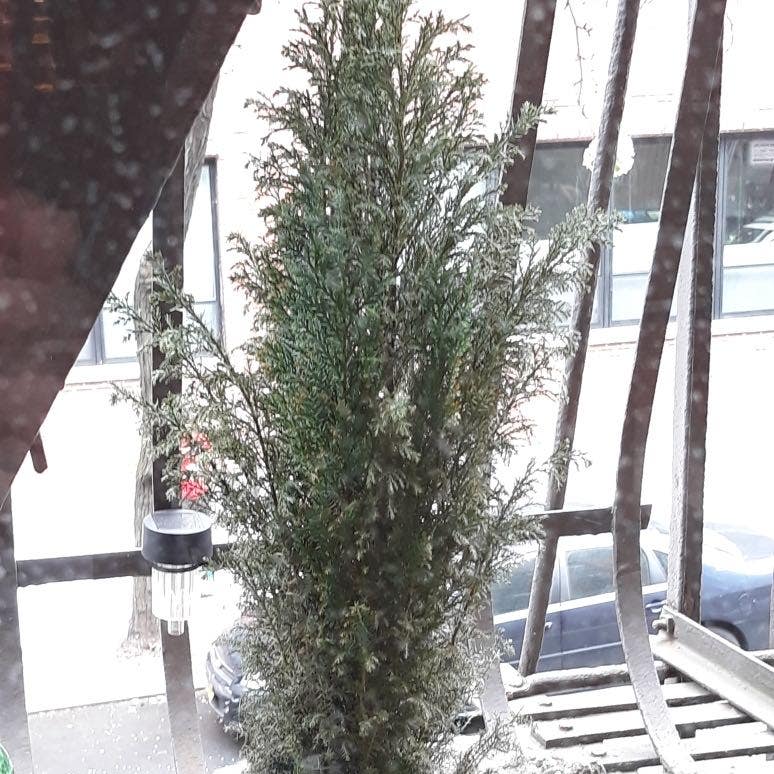
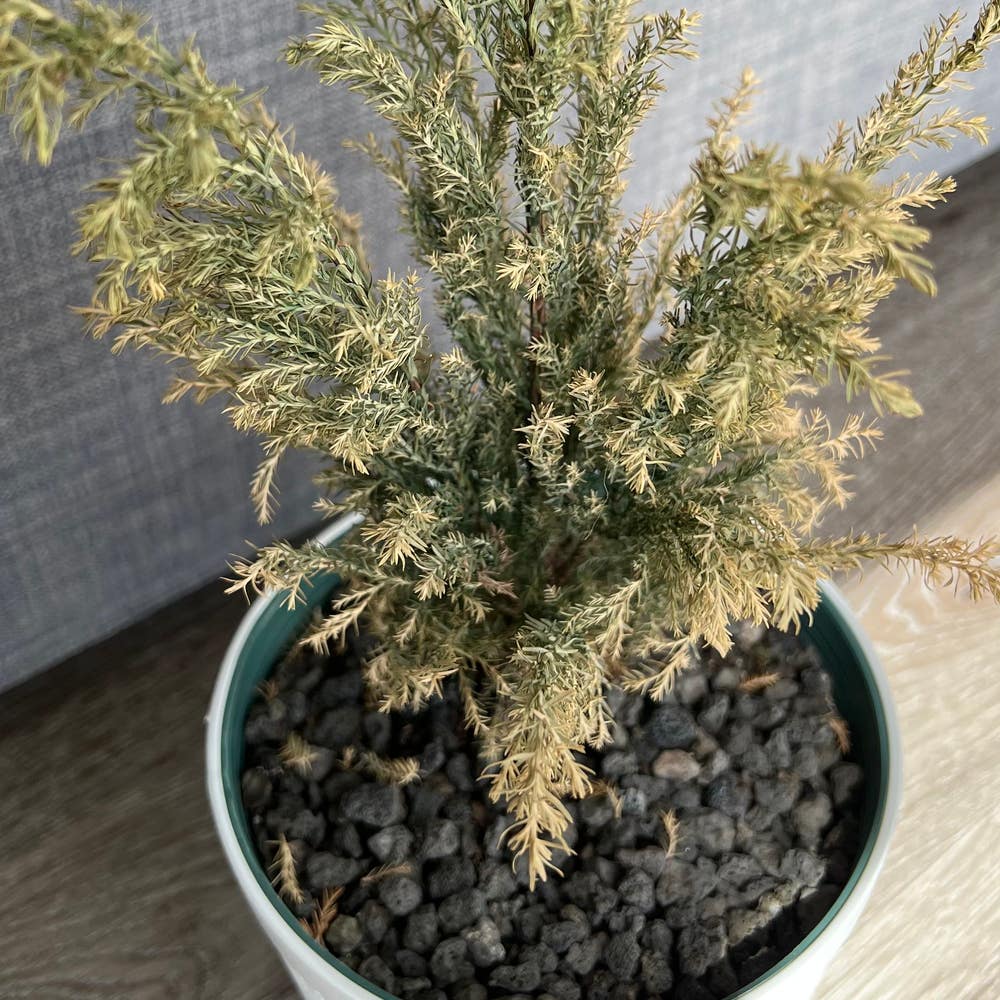
🌲 5 Ideal Locations to Plant Mini European Cypress Tree
Chamaecyparis lawsoniana 'Ellwoodii'
By the Greg Editorial Team
Oct 16, 2024•5 min read
This article was created with the help of AI so we can cover more plants for you. May contain errors. See one? Report it here.
Transform your garden with thriving Mini European Cypress trees by mastering sunlight, soil, and spacing essentials! 🌱
- ☀️ Mini European Cypress needs 6-8 hours of full sun for vibrant growth.
- 🌱 Well-drained sandy loam is ideal; conduct a soil test for suitability.
- 🌳 Space trees 3-5 feet apart to ensure air circulation and reduce disease risk.
Sunlight Exposure Requirements
Full Sun Preferences 🌞
Mini European Cypress trees thrive best in full sun, requiring 6-8 hours of direct sunlight daily. This exposure not only promotes healthy growth but also enhances their vibrant color, making them a stunning addition to any landscape.
Partial Shade Tolerance 🌤️
While these trees can survive in partial shade, their growth may slow down significantly. Ideally, they should receive light shade during the hottest part of the day to maintain vigor without compromising their health.
Assessing Sunlight Patterns 🔍
To ensure optimal sunlight exposure, consider using a sunlight meter or simply observe the patterns throughout the day. It's also essential to keep in mind that seasonal variations can affect sunlight availability, so monitor changes as the year progresses.
Understanding these sunlight requirements will set the foundation for a thriving Mini European Cypress. Next, let's explore the ideal soil conditions that will support their growth.
Soil Type Preferences
Ideal Soil Conditions 🌱
Mini European Cypress trees thrive in well-drained, sandy loam or loamy soil. Aim for a pH level between 6.0 and 7.5, which is slightly acidic to neutral.
Testing Soil Conditions 🧪
To ensure your soil is suitable, follow these simple steps:
- Soil Sampling: Collect samples from different areas of your garden.
- Testing Methods: Use a home soil test kit or send your samples to a lab for analysis.
- Interpreting Results: Focus on drainage capacity and nutrient levels to determine if your soil meets the needs of your Cypress.
Amendments for Improvement 🔧
If your soil needs a boost, consider these amendments:
- Organic Matter: Adding compost can significantly enhance soil structure and fertility.
- Drainage Solutions: Incorporate perlite or sand to improve drainage, especially in heavier soils.
By ensuring your soil meets these conditions, you set the stage for a healthy, thriving Mini European Cypress. This attention to detail will pay off in vibrant growth and resilience.
Next, let’s explore how to assess the proximity of your Cypress to other plants and structures for optimal growth.
Proximity to Other Plants and Structures
Spacing Considerations 🌬️
When planting your Mini European Cypress, aim for a spacing of 3-5 feet from other plants. This distance allows for essential air circulation, which is crucial for preventing diseases.
Overcrowding can lead to increased susceptibility to pests and diseases. Giving your cypress room to breathe is not just a good idea; it’s vital for its health.
Landscape Design Integration 🎨
Consider using the Mini European Cypress as a natural privacy screen. Position it near fences or walls to create a lush barrier that enhances your outdoor space.
Aesthetic placement is key. Think about how the cypress will visually balance with other landscape elements, ensuring a harmonious look throughout your garden.
By thoughtfully considering proximity and design, you can create a thriving environment for your Mini European Cypress while enhancing the beauty of your landscape.
Next, let’s explore the importance of wind protection for these resilient trees.
Wind Protection Considerations
Importance of Wind Protection 🌬️
High winds pose significant risks to Mini European Cypress trees, leading to breakage or desiccation. Providing wind protection is essential to safeguard these trees from harsh weather conditions.
Creating Windbreaks 🌳
Natural barriers, such as existing trees or shrubs, can effectively shield your cypress from strong winds. If natural options are limited, consider installing artificial barriers like fences or trellises for added protection.
Windbreaks not only help in preventing damage but also create a more stable environment for your trees to thrive. By ensuring they are well-protected, you can promote healthier growth and longevity.
As you plan your planting area, think about how to incorporate these wind protection strategies. This foresight will pay off in the long run, ensuring your Mini European Cypress trees flourish in their new home.
Next, let’s explore the drainage needs of these trees to further enhance their growing conditions.
Drainage Needs
🌧️ Understanding Drainage Requirements
Mini European Cypress trees are sensitive to waterlogged conditions. Excess moisture can lead to root rot, which is detrimental to their health.
Ideal drainage conditions are crucial; the soil should drain quickly after rainfall. This ensures that the roots remain healthy and well-aerated.
🔍 Assessing Drainage in Your Planting Area
To evaluate drainage, follow these simple steps:
- Dig a hole: Create a 12-inch deep hole in your planting area.
- Fill with water: Pour water into the hole and observe how quickly it drains.
- Check the rate: Ideally, the water should drain within 1-2 hours. If it takes longer, you may need to make adjustments.
If drainage is slow, consider using raised beds or amending the soil to improve conditions.
🛠️ Solutions for Poor Drainage
If you find that your planting area has poor drainage, there are effective solutions:
Raised beds: Elevating the planting area can significantly improve drainage. This allows excess water to flow away from the roots.
French drains: Installing French drains can redirect excess water away from the roots. This is especially useful in areas prone to heavy rainfall.
By ensuring proper drainage, you create a thriving environment for your Mini European Cypress. This will lead to healthier growth and a more vibrant landscape.
As you prepare your planting area, keep in mind the importance of sunlight exposure and soil type. These factors will further enhance the success of your Mini European Cypress tree.
Specific Location Needs
Shade Tolerance 🌳
Mini European Cypress trees can tolerate some shade, but they truly thrive in full sun. When planted in shaded areas, you may notice a reduced growth rate and less vibrant foliage.
Ideal Conditions for Growth ☀️
For optimal growth, these trees prefer full sun, well-drained soil, and protection from harsh winds. Keeping an eye on seasonal changes will help you maintain the best conditions throughout the year.
Seasonal Considerations for Planting 🍂
The best times to plant Mini European Cypress are early spring or fall. During these seasons, adjust your watering and protective measures based on the weather to ensure successful establishment.
By understanding these specific location needs, you can create an environment where your Mini European Cypress can flourish. Next, let's explore the importance of wind protection for these resilient trees.
⚠️ Safety First
This content is for general information and may contain errors, omissions, or outdated details. It is not medical, veterinary advice, or an endorsement of therapeutic claims.
Always consult a qualified healthcare professional before using any plant as food, medicine, or supplement.
Never eat any plant (or feed one to pets) without confirming its identity with at least two trusted sources.
If you suspect poisoning, call Poison Control (800) 222-1222, the Pet Poison Helpline (800) 213-6680, or your local emergency service immediately.
Spotted an error? Please report it here.
Maximize your garden's beauty by planting Mini European Cypress in full sun ☀️, and let Greg guide you with tailored care tips and soil testing to ensure they thrive beautifully!