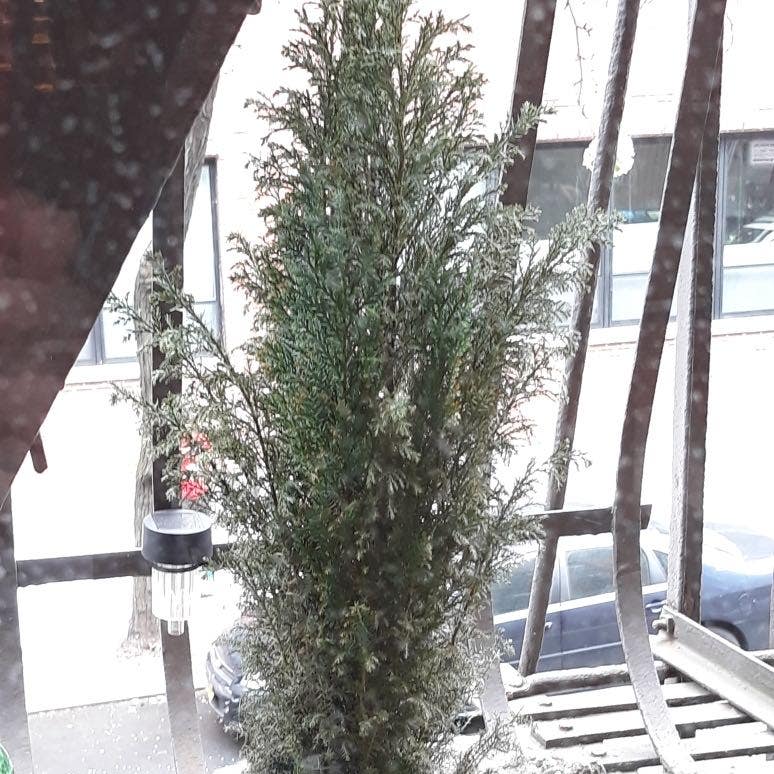
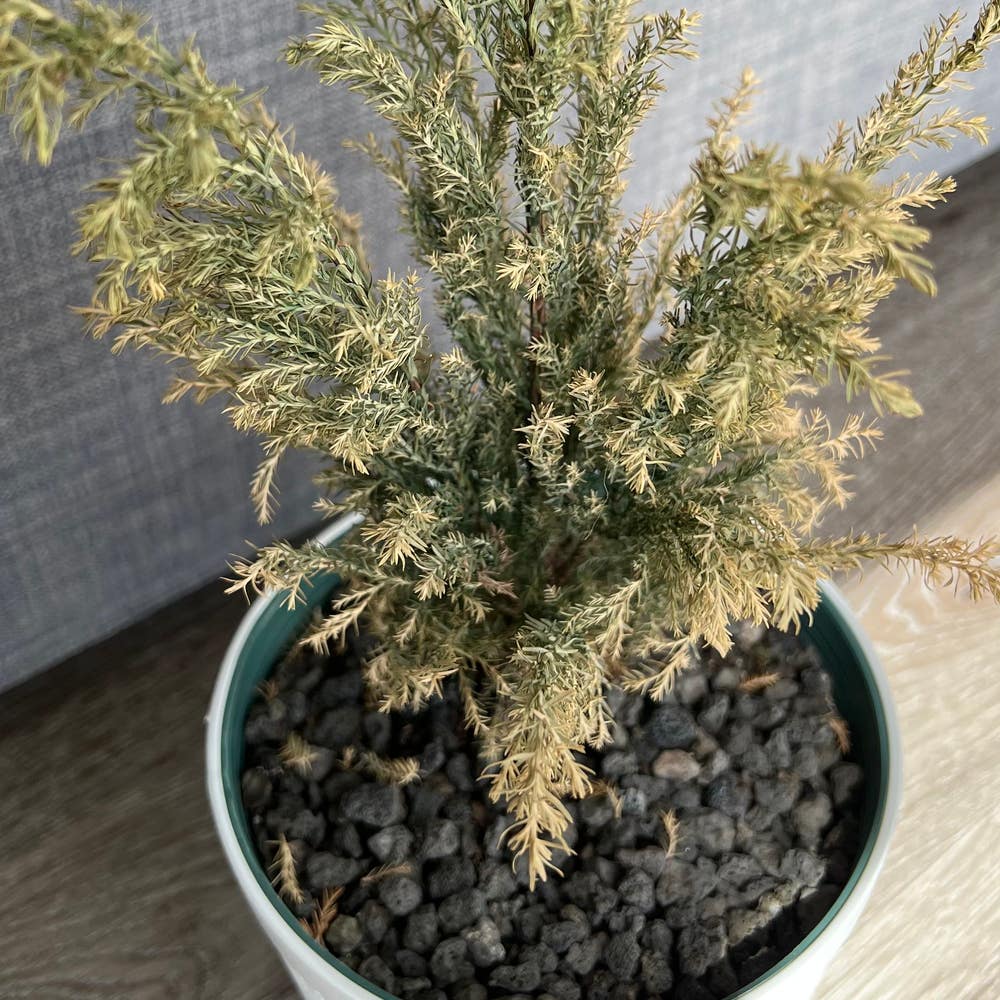
Best Humidity Levels for Mini European Cypress Tree 🌳
Chamaecyparis lawsoniana 'Ellwoodii'
By the Greg Editorial Team
Oct 16, 2024•4 min read
This article was created with the help of AI so we can cover more plants for you. May contain errors. See one? Report it here.
Unlock vibrant growth for your Mini European Cypress 🌲 by mastering its ideal humidity needs and preventing common issues!
- 🌱 Optimal humidity for Mini European Cypress is 40%-60% indoors and 30%-70% outdoors.
- 💧 Low humidity causes browning and leaf drop, while high humidity leads to mold and rot.
- 📊 Regularly monitor humidity levels to ensure healthy growth and prevent stress in your tree.
Ideal Humidity Range for Optimal Growth
🌧️ Recommended humidity levels
For indoor environments, aim for a relative humidity of 40% to 60%. This range creates a comfortable atmosphere for your Mini European Cypress tree, promoting healthy growth.
Outdoors, these trees thrive in Mediterranean climates, where humidity typically ranges from 30% to 70%. This flexibility allows them to adapt, but it's essential to stay within these parameters for optimal health.
🌱 Variability among varieties
Different varieties of Mini European Cypress may have unique preferences. While most align with the general humidity ranges mentioned, some might thrive in slightly higher or lower conditions. Always consider the specific needs of your variety for the best results.
Understanding these humidity levels is crucial for nurturing your tree. With the right conditions, you can foster a vibrant, healthy plant that flourishes in your home or garden.
Next, let’s explore the effects of low and high humidity on your Mini European Cypress tree.
Effects of Low and High Humidity
🌵 Low Humidity Impacts
Low humidity can wreak havoc on your Mini European Cypress tree. Symptoms include browning tips of foliage, leaf drop, and stunted growth.
Over time, these conditions can lead to increased susceptibility to pests and diseases, particularly root rot. Regular monitoring is crucial to prevent stress and maintain the health of your tree.
☔ High Humidity Impacts
On the flip side, high humidity can also pose serious risks. Symptoms such as mold growth, root rot, and yellowing leaves are common indicators of excessive moisture.
This environment can lead to fungal infections and an overall decline in plant health. Ensuring proper drainage and potting conditions is essential to mitigate these risks.
By understanding the effects of both low and high humidity, you can take proactive steps to keep your Mini European Cypress thriving. Let's explore how to assess local humidity conditions next.
Local Humidity Considerations
Assessing Local Humidity Conditions 🌧️
Understanding your local climate is crucial for the health of your Mini European Cypress Tree. Research the average humidity levels in your area to ensure you’re providing the right environment.
Seasonal fluctuations can significantly affect humidity. Be aware of how these changes impact your plant care routine, as different seasons may require adjustments in watering and humidity management.
Utilize local resources like weather apps or gardening centers for accurate humidity data. These tools can help you stay informed and make necessary adjustments to your care routine.
Adapting Care Based on Local Climate 🌍
Customizing your watering schedule is essential. Adjust the frequency based on the humidity levels in your area to prevent overwatering or underwatering.
Soil selection plays a vital role in humidity management. Choose potting mixes that either retain moisture or allow for quick drainage, depending on your local conditions.
Monitoring environmental changes is key. Stay aware of local weather patterns and their effects on humidity, as this knowledge will help you adapt your care strategies effectively.
Common Humidity-Related Issues
Signs of Humidity Stress 🌬️
Humidity stress can manifest in several noticeable ways. Look out for browning leaves, wilting, or excessive leaf drop, which are clear indicators that your mini European cypress tree is struggling.
Behavioral changes are also telling signs. If you notice slowed growth or unusual leaf patterns, it’s time to investigate further. Early detection is crucial; addressing these issues promptly can prevent further damage and help your tree thrive.
Solutions for Humidity-Related Problems 💧
Adjusting your watering practices is a straightforward solution. Modify the frequency based on the current humidity levels to ensure your tree receives the right amount of moisture.
Implementing humidity control strategies can also make a significant difference. Utilize techniques like pebble trays or humidifiers to create a more favorable environment for your plant.
If problems persist, don’t hesitate to seek professional advice. Consulting local experts or extension services can provide tailored solutions to keep your mini European cypress healthy and vibrant.
Understanding and managing humidity effectively will lead to a flourishing tree, ready to grace your space with its beauty.
⚠️ Safety First
This content is for general information and may contain errors, omissions, or outdated details. It is not medical, veterinary advice, or an endorsement of therapeutic claims.
Always consult a qualified healthcare professional before using any plant as food, medicine, or supplement.
Never eat any plant (or feed one to pets) without confirming its identity with at least two trusted sources.
If you suspect poisoning, call Poison Control (800) 222-1222, the Pet Poison Helpline (800) 213-6680, or your local emergency service immediately.
Spotted an error? Please report it here.
Keep your Mini European Cypress tree thriving 🌳 by using Greg's tailored humidity tips and reminders to maintain the ideal environment for vibrant growth!