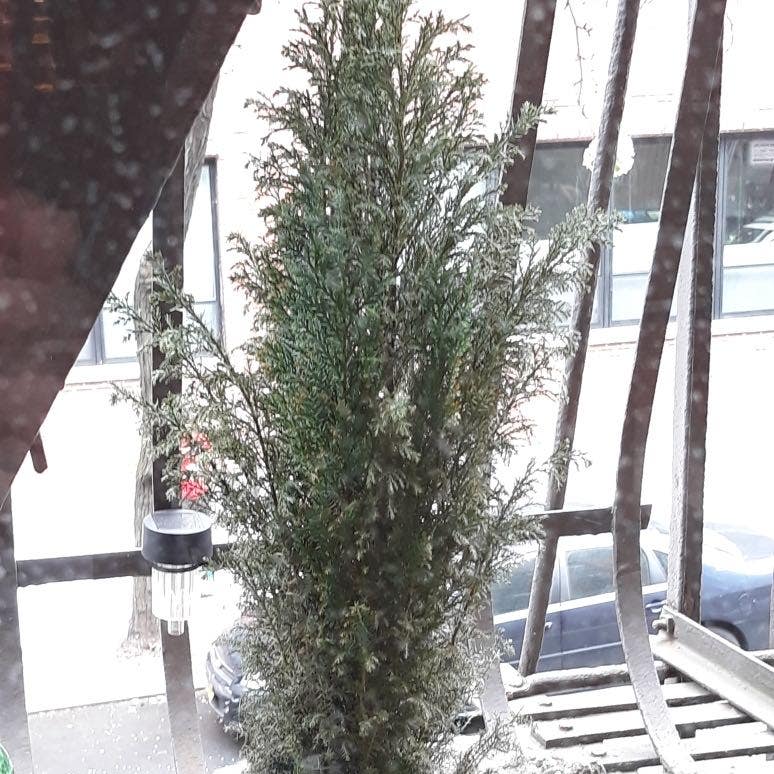
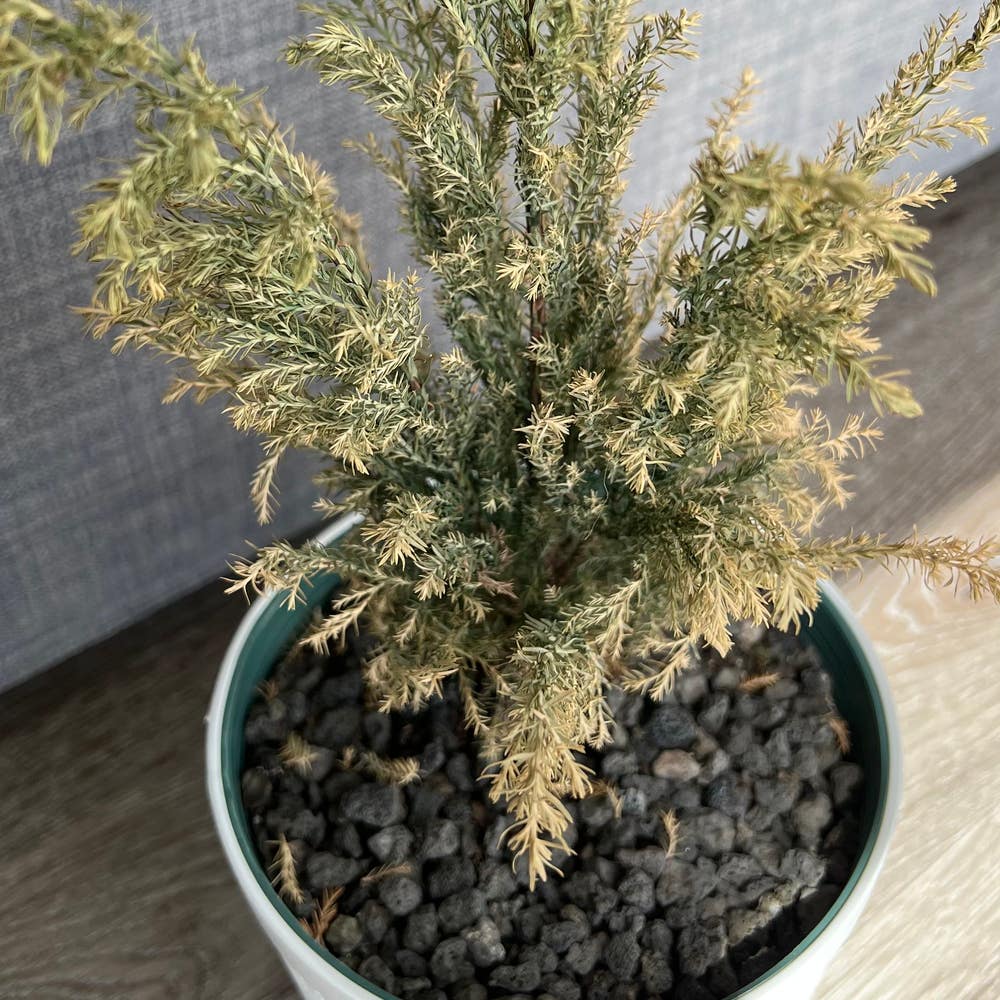
🌲 Mini European Cypress Tree Height and Width Guide
Chamaecyparis lawsoniana 'Ellwoodii'
By the Greg Editorial Team
Oct 16, 2024•5 min read
This article was created with the help of AI so we can cover more plants for you. May contain errors. See one? Report it here.
Elevate your landscape with the adaptable Mini European Cypress, a stunning choice for any garden! 🌳
- 🌳 Mini European Cypress grows 10-15 feet tall; dwarf varieties reach 3-5 feet.
- ☀️ Requires 6-8 hours of sunlight daily for optimal growth and health.
- 🌱 Growth varies with care; optimal conditions can yield heights over 20 feet.
Mature Height and Width
Typical Dimensions 🌳
The Mini European Cypress typically reaches a mature height of 10 to 15 feet. Its width ranges from 3 to 5 feet, making it a versatile choice for various landscapes.
Growth Rate and Time to Maturity ⏳
This tree boasts a moderate growth rate, averaging about 12 to 24 inches per year. Depending on environmental conditions, it can take anywhere from 5 to 10 years to reach its full size.
Size Variability Based on Conditions 📏
Several factors influence the size of the Mini European Cypress, including soil quality, sunlight exposure, and watering practices.
- Optimal Conditions: Under ideal circumstances, such as nutrient-rich soil and ample sunlight, some giant varieties can grow up to 20 feet tall.
- Poor Conditions: Conversely, inadequate care can significantly restrict growth, resulting in much smaller specimens.
Understanding these variables can help you cultivate a thriving Mini European Cypress that fits your landscape perfectly. As we explore the factors affecting size, you'll gain insights into how to optimize your tree's growth potential.
Factors Affecting Size
🌱 Soil Type and Quality
Well-drained soils are crucial for the Mini European Cypress to thrive. Aim for slightly acidic to neutral soil, ideally with a pH between 6.0 and 7.0, as nutrient-rich soils significantly enhance growth rates and mature dimensions.
☀️ Sunlight Exposure
These trees require full sun, needing 6-8 hours of direct sunlight daily. Without sufficient sunlight, you may notice stunted growth and reduced height, which can be disappointing for any gardener.
💧 Watering Practices
Consistent moisture is essential for healthy growth. However, be cautious; overwatering can lead to root rot, while drought conditions can severely limit both height and width.
🌡️ Climate Considerations
Mini European Cypress trees thrive in temperate climates and are sensitive to extreme cold or heat. The regional climate can greatly impact growth rates and mature dimensions, so consider your local conditions when planting.
This understanding of the factors affecting size will help you create the ideal environment for your Mini European Cypress. Next, let’s explore the various tree varieties available to suit different landscape needs.
Varieties
🌱 Dwarf Varieties
Dwarf European cypress trees typically reach a height of 3-5 feet. They are perfect for small gardens and container growth, offering a compact form that fits neatly into limited spaces.
These varieties grow at a slower rate, making them manageable for gardeners who prefer low-maintenance options. Their petite stature allows them to add vertical interest without overwhelming smaller areas.
🌳 Giant Varieties
On the other end of the spectrum, giant European cypress trees can exceed 20 feet in height. These impressive specimens are ideal for larger landscapes or as striking focal points in your garden.
With a faster growth rate and broader spread, they create a bold statement. Their grandeur can transform any outdoor space, making them a popular choice for those looking to make an impact.
Understanding these varieties helps you choose the right fit for your garden's needs. Whether you opt for the compact dwarf or the towering giant, each brings unique beauty and character to your landscape.
As you consider your options, think about how these trees will complement your overall design and space. Next, let’s explore the techniques for pruning and controlling their size effectively.
Pruning and Size Control
Techniques for Controlling Height 🌳
To manage the height of your Mini European Cypress, selective pruning is key. By removing the top growth, you can effectively limit its vertical reach.
Another method is pinching back new growth. This technique encourages a bushier appearance, making the tree more visually appealing.
Techniques for Controlling Width 📏
Controlling width is just as important. Thinning out branches not only reduces overall width but also maintains the tree's shape.
Regular trimming is essential to keep the tree within your desired dimensions. This practice helps maintain a tidy look in your garden.
Best Times for Pruning ⏰
Timing your pruning is crucial for optimal results. The best window is late winter to early spring, just before new growth begins.
Proper timing ensures healthy regrowth and minimizes stress on the plant. This proactive approach will keep your Mini European Cypress thriving.
With these pruning techniques, you can effectively manage the size of your tree, ensuring it fits perfectly into your landscape. Next, let’s explore how these trees can enhance your garden's aesthetic appeal.
Landscape Applications
Use in Small Gardens 🌳
Mini European Cypress trees are perfect for tight spaces. Their compact size allows them to provide vertical interest without overwhelming smaller areas.
Use in Container Gardening 🪴
These trees thrive in pots and planters, especially the dwarf varieties. When growing in containers, ensure adequate drainage and quality soil for optimal health.
Aesthetic Considerations 🎨
Mini European Cypress can serve as stunning focal points or elegant hedges. Their mature dimensions create a striking visual impact in landscape design.
Planning for their growth is crucial to avoid overcrowding in your garden spaces. A little foresight can lead to a beautifully balanced landscape that showcases these charming trees.
⚠️ Safety First
This content is for general information and may contain errors, omissions, or outdated details. It is not medical, veterinary advice, or an endorsement of therapeutic claims.
Always consult a qualified healthcare professional before using any plant as food, medicine, or supplement.
Never eat any plant (or feed one to pets) without confirming its identity with at least two trusted sources.
If you suspect poisoning, call Poison Control (800) 222-1222, the Pet Poison Helpline (800) 213-6680, or your local emergency service immediately.
Spotted an error? Please report it here.
Maximize the beauty of your Mini European Cypress 🌲 by using Greg's tailored watering reminders and care tips to ensure they thrive in your garden!