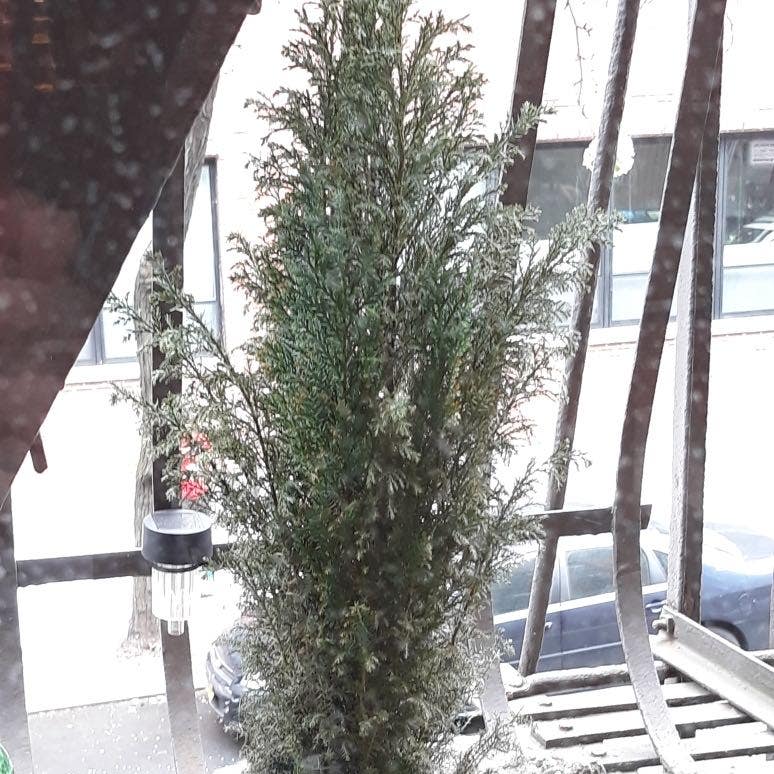
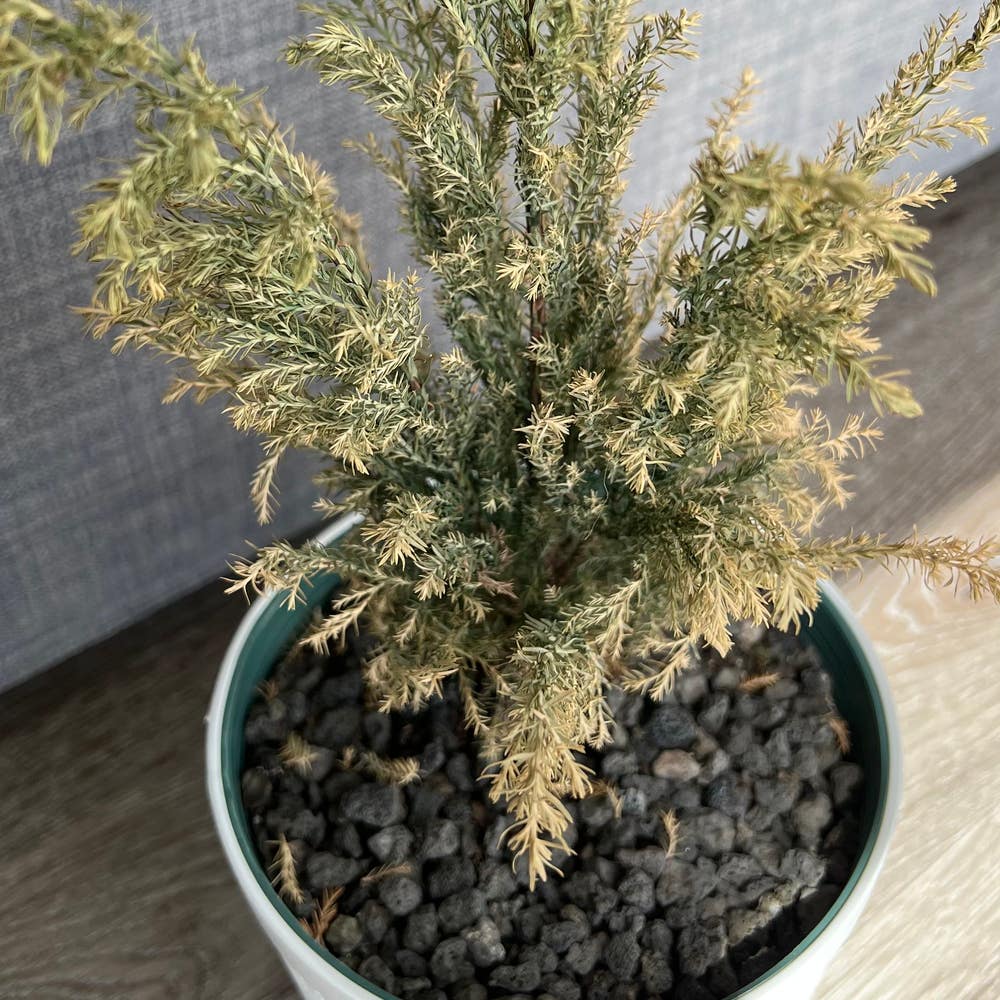
🌳 Growing Your Mini European Cypress Tree Indoors
Chamaecyparis lawsoniana 'Ellwoodii'
By the Greg Editorial Team
Oct 16, 2024•5 min read
This article was created with the help of AI so we can cover more plants for you. May contain errors. See one? Report it here.
Elevate your indoor garden 🌲 by mastering the care techniques for a thriving Mini European Cypress!
- 🌞 Mini European cypress needs 6-8 hours of indirect sunlight for optimal growth.
- 💧 Water every 1-2 weeks; adjust based on yellowing or browning foliage.
- 🌬️ Maintain 40-60% humidity to prevent needle drop and browning leaves.
Light Requirements
Ideal Indoor Light Levels 🌞
For your mini European cypress tree, aim for full sun to partial shade, providing 6-8 hours of indirect sunlight daily. This light exposure is crucial for healthy growth and vibrant foliage.
Using Grow Lights 💡
When natural light is scarce, grow lights can be a game-changer. They supplement your plant's needs during low-light seasons.
Choosing the Best Grow Light
- LED vs. Fluorescent: LED lights are energy-efficient and offer a broader light spectrum, making them a popular choice.
- Recommended Wattage: For small indoor plants, a wattage of 20-40 watts is ideal.
Placement for Optimal Light Exposure 🚪
Position your cypress tree near south or west-facing windows for the best light. Don't forget to rotate the plant regularly to ensure even light distribution, promoting balanced growth.
With the right light conditions, your mini European cypress will thrive, setting the stage for the next essential aspect: temperature and humidity control.
Temperature and Humidity Control
🌡️ Ideal Temperature Range
Maintaining the right temperature is crucial for your mini European cypress tree. Aim for a cozy range of 15°C to 24°C (59°F to 75°F) to keep your plant thriving.
Stable temperatures prevent stress, which can lead to unhealthy growth. Fluctuations can make your tree vulnerable, so try to keep its environment consistent.
💧 Humidity Control Techniques
Humidity plays a significant role in your cypress's health. Aim for a humidity level between 40% and 60% for optimal growth.
Low humidity can lead to issues like needle drop and browning foliage. To combat this, consider using a humidifier, placing pebble trays filled with water under the pot, or regularly misting the leaves.
These techniques help maintain the moisture your plant craves, ensuring it stays vibrant and healthy. By keeping an eye on both temperature and humidity, you set your mini European cypress up for success.
As you master these environmental controls, you'll be ready to dive into soil and watering needs, ensuring your plant continues to flourish indoors.
Soil and Watering Needs
🌱 Recommended Soil Type
For your Mini European Cypress Tree, a well-draining potting mix is essential. This ensures proper aeration and drainage, preventing root rot and promoting healthy growth.
The ideal soil components include peat moss, perlite, and pine bark. These materials work together to create a light, airy mix that retains moisture without becoming soggy.
💧 Watering Practices
Checking soil moisture is crucial for your tree's health. Use the finger test: insert your finger about an inch into the soil; if it feels dry, it’s time to water.
Aim to water every 1-2 weeks, adjusting based on your indoor environment. Factors like temperature and humidity can affect how quickly the soil dries out.
Be mindful of the signs of overwatering and underwatering. Yellowing foliage often indicates overwatering, while browning tips can signal underwatering. Adjust your watering practices accordingly to keep your tree thriving.
With the right soil and watering routine, your Mini European Cypress will flourish. Next, let’s explore the fertilization schedule to ensure your plant gets the nutrients it needs.
Fertilization and Common Issues
Fertilization Schedule 🌱
To keep your Mini European Cypress thriving, fertilize every 4-6 weeks during the growing season. A balanced liquid fertilizer or slow-release granules will provide the nutrients needed for robust growth.
Identifying and Preventing Pests 🐛
Common pests like spider mites, aphids, and scale insects can be a nuisance. Regular inspections and maintaining overall plant health are key prevention methods.
Solutions for Common Problems ⚠️
If you notice yellowing foliage or needle drop, it’s time to reassess your care practices. These issues often stem from improper watering or nutrient deficiencies, so adjusting your routine can make a significant difference.
By staying vigilant and proactive, you can ensure your Mini European Cypress remains healthy and vibrant. Next, let’s explore the best placement and maintenance strategies to keep your plant looking its best.
Placement and Maintenance
Best Locations for Light Exposure 🌞
Finding the right spot for your Mini European Cypress Tree is crucial. Aim to place it near windows that provide filtered light, as this helps mimic its natural habitat.
Avoid direct sunlight, which can lead to leaf scorch. Too much sun can be just as harmful as too little, so striking a balance is key.
Tips for Maintaining Plant Appearance ✂️
Regular pruning is essential for encouraging bushier growth. It also helps remove any dead foliage, keeping your plant looking vibrant and healthy.
Don't forget to clean the leaves! Dusting them off enhances photosynthesis and allows your tree to thrive.
Seasonal Care Adjustments 🍂
As seasons change, so should your care routine. In winter, reduce watering frequency and adjust humidity levels to prevent stress on the plant.
During summer, ensure your tree receives adequate light and moisture. This balance will keep your Mini European Cypress flourishing all year round.
With these placement and maintenance tips, your tree will not only survive but thrive, setting the stage for the next section on soil and watering needs.
⚠️ Safety First
This content is for general information and may contain errors, omissions, or outdated details. It is not medical, veterinary advice, or an endorsement of therapeutic claims.
Always consult a qualified healthcare professional before using any plant as food, medicine, or supplement.
Never eat any plant (or feed one to pets) without confirming its identity with at least two trusted sources.
If you suspect poisoning, call Poison Control (800) 222-1222, the Pet Poison Helpline (800) 213-6680, or your local emergency service immediately.
Spotted an error? Please report it here.
Nurture your Mini European cypress tree to lush perfection 🌲 with Greg's custom watering alerts and care tips that ensure it thrives in your home!