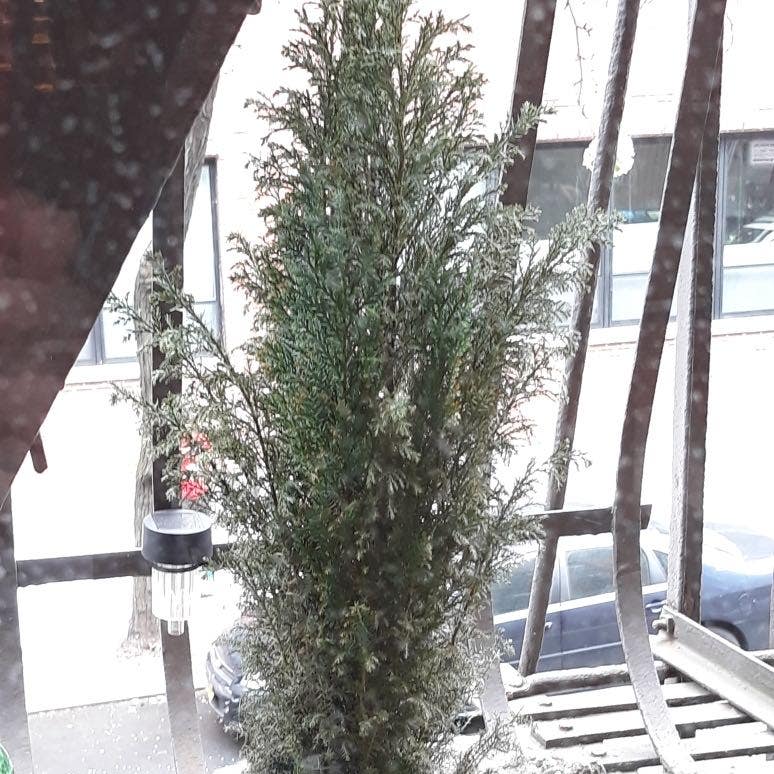
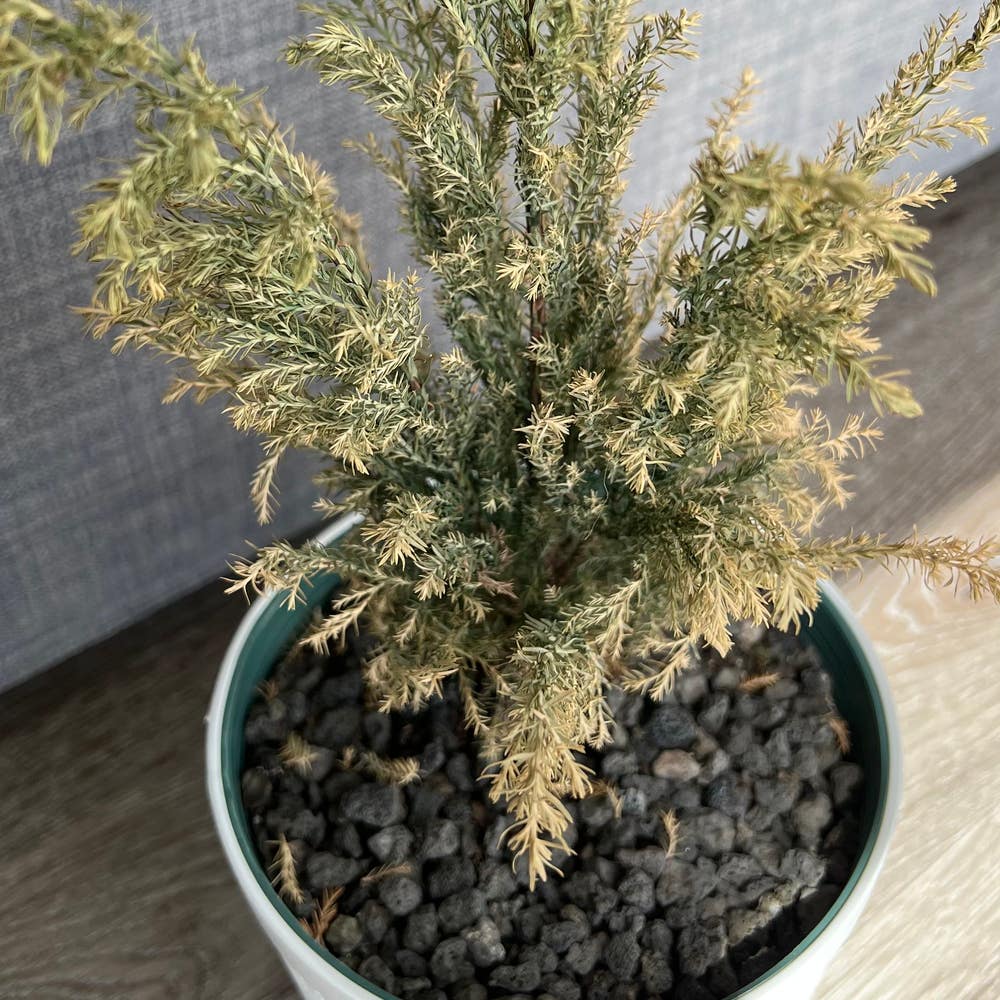
🌳 9 Tips for Fertilizing Your Mini European Cypress Tree
Chamaecyparis lawsoniana 'Ellwoodii'
By the Greg Editorial Team
Oct 16, 2024•4 min read
This article was created with the help of AI so we can cover more plants for you. May contain errors. See one? Report it here.
Unlock vibrant growth for your mini European cypress tree 🌱 with expert fertilization tips for every season! 🌳
- 🌱 Fertilize in spring and late summer for optimal growth of your mini cypress.
- ⚖️ Use 1-2 pounds per 100 sq ft; adjust based on tree age and size.
- 🚫 Avoid fertilizing during dormancy to prevent nutrient waste and tree stress.
When to Fertilize
🌱 Best Seasons for Fertilization
Timing is everything when it comes to fertilizing your mini European cypress tree. Early spring is the prime time to fertilize, as it encourages robust new growth.
Late summer is another key period, helping your tree prepare for the winter months ahead. This dual approach ensures your tree gets the nutrients it needs at critical growth stages.
⏰ Timing Based on Growth Cycles
Fertilizing during the tree's active growth phase is crucial for optimal nutrient uptake. This is when your cypress is most receptive to the added nutrients.
Conversely, avoid fertilizing during dormancy. This prevents wasting nutrients that the tree cannot utilize, ensuring your efforts are effective and efficient.
By understanding these timing nuances, you can set your mini European cypress up for success. Next, let’s explore how much fertilizer to use for the best results.
How Much to Fertilize
Recommended Fertilizer Amounts 🌱
When it comes to fertilizing your mini European cypress tree, a general guideline is to use 1-2 pounds of fertilizer per 100 square feet. This ensures your tree gets the nutrients it needs without overwhelming it.
Adjust the amount based on the size of your tree. Smaller trees will require less fertilizer, while larger trees will benefit from a bit more.
Adjusting Fertilizer Based on Tree Size and Age 🌳
For young trees aged 1-3 years, aim for 0.5-1 pound of fertilizer per application. This amount supports their growth without risking over-fertilization.
Mature trees, those 4 years and older, need a bit more—2-3 pounds per application is ideal. This helps them thrive and prepare for seasonal changes.
With the right amount of fertilizer, your mini European cypress can flourish beautifully. Next, let’s explore the different types of fertilizers available to you.
Types of Fertilizers
🌱 Organic vs. Synthetic Fertilizers
When it comes to fertilizing your mini European cypress tree, you have two main options: organic and synthetic fertilizers. Organic choices include compost, well-rotted manure, and specially formulated organic blends.
Using organic fertilizers can significantly improve soil health. They release nutrients gradually, ensuring your tree gets what it needs over time.
On the other hand, synthetic fertilizers are chemical-based and come with specific NPK (nitrogen, phosphorus, potassium) ratios. These can provide a quick nutrient boost but may lack the long-term benefits of organic options.
⏳ Slow-Release vs. Quick-Release Fertilizers
Fertilizers can also be categorized by their release rates. Slow-release fertilizers are designed to provide nutrients over an extended period, which is ideal for steady growth.
Quick-release fertilizers, however, offer immediate nutrient availability. While they can be effective, they come with a higher risk of leaching, which can lead to nutrient loss and potential harm to your tree.
Understanding these types of fertilizers will help you make informed decisions that best support your mini European cypress tree's health. Next, let’s explore how much fertilizer you should apply for optimal growth.
Avoiding Over-Fertilization
🚨 Symptoms of Over-Fertilization
Over-fertilization can lead to several distress signals in your mini European cypress tree.
- Root burn: Look for browning and wilting foliage, which indicates that the roots are stressed.
- Excessive leaf drop: If your tree starts shedding leaves, it’s a clear sign of stress.
- Salt buildup: A visible crust on the soil surface suggests that salts are accumulating, which can harm your tree.
🛠️ How to Correct Over-Fertilization Issues
If you suspect over-fertilization, there are effective ways to remedy the situation.
- Flushing the soil: Water deeply to leach out excess salts. This helps restore balance in the soil.
- Reducing future applications: Adjust your fertilization schedule based on the symptoms observed. Less can be more when it comes to feeding your tree.
By staying vigilant and responsive to these signs, you can ensure your mini European cypress thrives without the risk of over-fertilization.
Next, let’s explore the best practices for applying fertilizer effectively.
Application Methods
Best Practices for Applying Fertilizer 🌱
Timing is crucial when fertilizing your mini European cypress tree. Aim to apply fertilizer during cool, dry weather to minimize runoff and ensure that nutrients penetrate the soil effectively.
Equally important is the distribution of the fertilizer. Spread it evenly around the root zone to promote balanced nutrient uptake and avoid any concentrated areas that could harm the tree.
Tools and Techniques for Effective Fertilization 🛠️
Selecting the right tools can make the fertilization process smoother. Handheld spreaders, trowels, or watering cans are excellent choices for applying both granular and liquid fertilizers.
Incorporating granular fertilizers into the topsoil enhances absorption. This technique ensures that nutrients are readily available to the roots, maximizing the benefits of your fertilization efforts.
With these application methods in mind, you're well on your way to nurturing a healthy mini European cypress tree. Next, let’s explore how to avoid over-fertilization and its potential pitfalls.
⚠️ Safety First
This content is for general information and may contain errors, omissions, or outdated details. It is not medical, veterinary advice, or an endorsement of therapeutic claims.
Always consult a qualified healthcare professional before using any plant as food, medicine, or supplement.
Never eat any plant (or feed one to pets) without confirming its identity with at least two trusted sources.
If you suspect poisoning, call Poison Control (800) 222-1222, the Pet Poison Helpline (800) 213-6680, or your local emergency service immediately.
Spotted an error? Please report it here.
Nurture your mini European cypress tree to new heights 🌳 with Greg's tailored fertilization reminders and expert tips that ensure it thrives all year round!