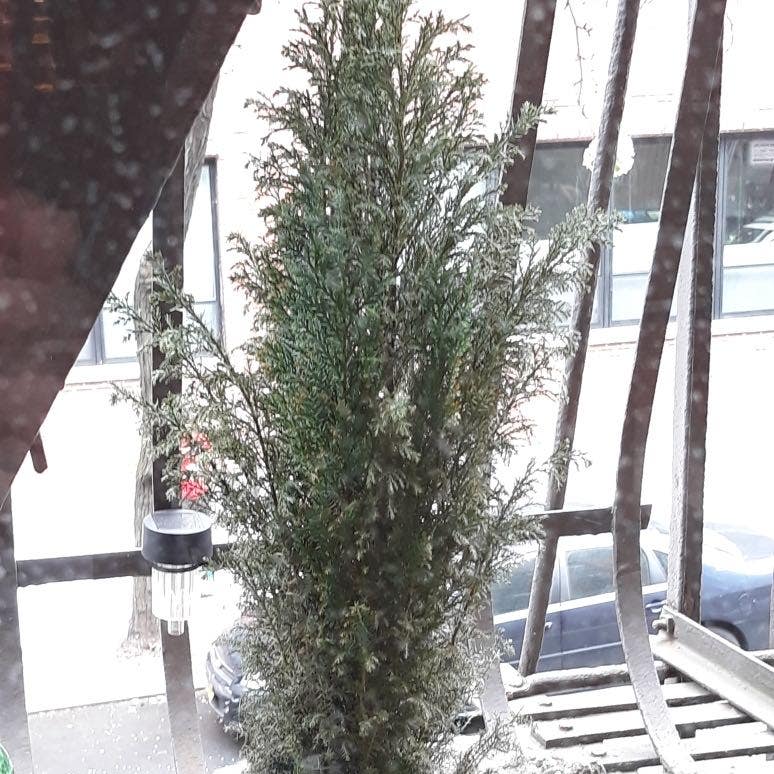
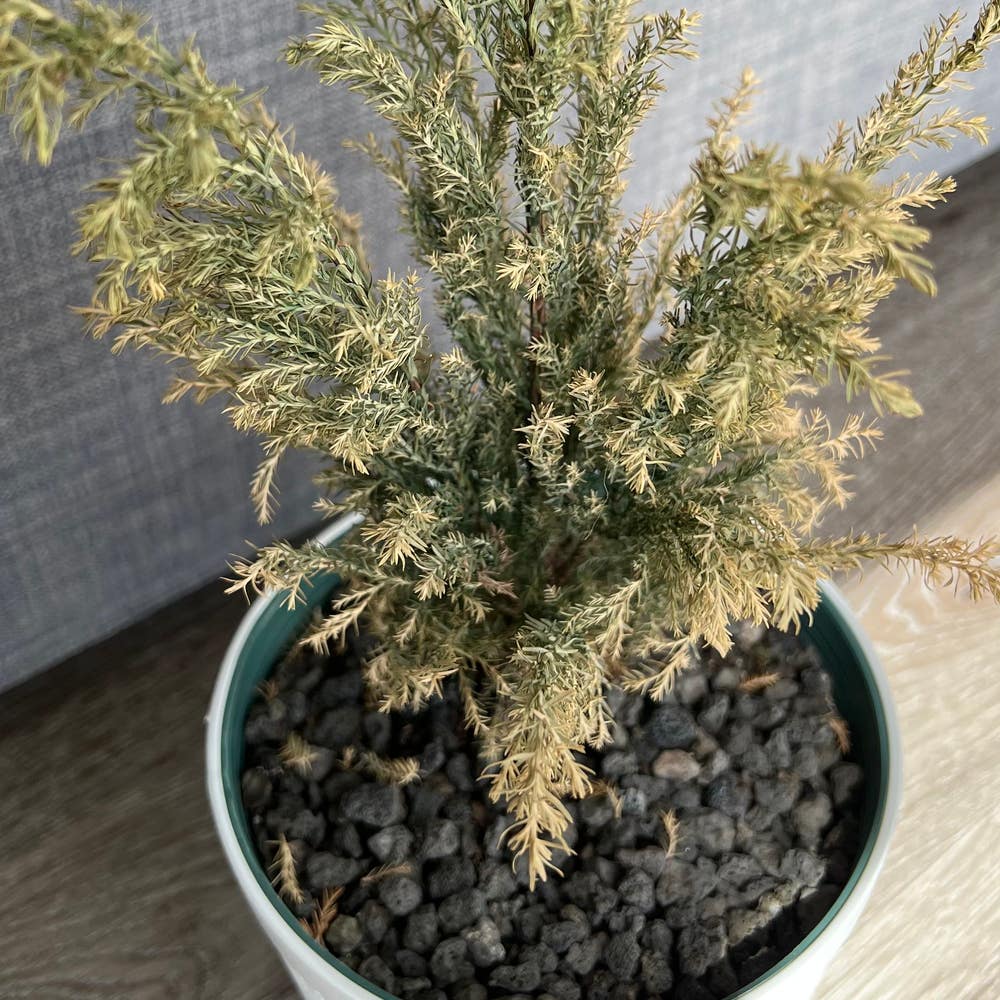
✂️ Step-by-Step Guide to Pruning Mini European Cypress Tree
Chamaecyparis lawsoniana 'Ellwoodii'
By the Greg Editorial Team
Oct 16, 2024•4 min read
This article was created with the help of AI so we can cover more plants for you. May contain errors. See one? Report it here.
Transform your Mini European Cypress Tree 🌳 into a thriving centerpiece with expert pruning techniques for lasting beauty!
- ✂️ Use essential tools like pruning shears and loppers for effective Mini European Cypress pruning.
- 🌳 Inspect tree health before pruning to identify dead or crossing branches needing attention.
- 🌱 Avoid over-pruning to maintain growth and structure; regular maintenance is key!
Tools Needed for Pruning
When it comes to pruning your Mini European Cypress Tree, having the right tools is essential for achieving clean cuts and maintaining the tree's health. Here’s a quick rundown of what you’ll need.
✂️ Pruning Shears
Pruning shears are your go-to for small branches and fine cuts. They allow for precision and help you make clean cuts that promote healing.
🌳 Loppers
For thicker branches, loppers are indispensable. They can handle branches up to 1 inch in diameter, making them perfect for those slightly heftier tasks.
🪚 Hand Saw
When you encounter larger branches, a hand saw will be your best friend. It's designed to tackle the bigger jobs that other tools can't manage.
🔪 Bypass Pruners
Bypass pruners are ideal for making clean cuts without crushing stems. They work well on live branches, ensuring that your cuts are as healthy as possible.
🦺 Safety Gear
Don’t forget your safety gear! Gloves and goggles are crucial for protecting yourself while you work. Safety first, always!
With these tools in hand, you’re well-equipped to start your pruning journey. Next, we’ll dive into the step-by-step pruning process to ensure your Mini European Cypress Tree thrives.
Step-by-Step Pruning Process
🌳 Initial Assessment of the Tree
Before diving into pruning, take a moment to inspect the overall shape and health of your mini European cypress tree. Look for areas of dense growth and any dead or diseased branches that may need attention.
Evaluate the tree's growth habits to determine the best pruning strategy. This initial assessment sets the stage for effective pruning.
🔍 Identifying Branches to Prune
Now, let’s identify which branches to prune. Focus on:
- Dead or yellowing branches
- Crossing or rubbing branches
- Overly dense areas that block light
Prioritize branches that disrupt the desired shape of the tree. This ensures a healthier, more aesthetically pleasing result.
✂️ Making Clean Cuts
Making clean cuts is crucial for the tree's recovery. Follow these steps:
- Use sharp tools to ensure clean cuts.
- Cut at a 45-degree angle to promote healing.
- Avoid leaving stubs, which can lead to disease.
These techniques help your tree thrive after pruning.
🎨 Shaping the Tree
Maintaining the natural conical shape of the tree is essential. Trim back to a lateral branch or bud to encourage new growth.
Step back frequently to assess the overall shape during pruning. This will help you achieve a balanced look.
🌼 Deadheading Instructions
Deadheading is an important part of tree care. Follow these steps:
- Identify spent flowers or branches.
- Use clean pruning shears to cut back to the nearest healthy leaf or bud.
- Remove any debris from around the base of the tree to prevent disease.
These actions promote healthy growth and keep your tree looking its best.
This step-by-step pruning process not only enhances the tree's appearance but also supports its overall health. Next, let’s explore common pruning mistakes to avoid for optimal results.
Common Pruning Mistakes
Over-Pruning and Its Effects 🌳
Over-pruning can severely impact your mini European cypress tree. It risks stunted growth and weakens the tree's structure, making it more susceptible to pests and diseases.
Incorrect Cutting Techniques ✂️
Using improper cutting techniques can lead to significant issues. Leaving stubs can invite decay, while cutting too close to the trunk can damage the tree and hinder its recovery.
Ignoring Tree Health Indicators 🚨
Failing to assess the tree's overall health before pruning is a common mistake. Not recognizing signs of stress or disease can lead to further complications down the line.
Understanding these common pitfalls will help you prune more effectively. With the right approach, your mini European cypress can thrive beautifully.
Post-Pruning Care
👀 Monitoring Tree Health After Pruning
After pruning, it's crucial to keep an eye on your mini European cypress tree. Regularly check for any signs of stress or disease, such as wilting leaves or unusual discoloration.
Observing new growth patterns is equally important. Healthy new shoots indicate that your tree is recovering well and thriving.
🌱 Fertilization Considerations Post-Pruning
To support your tree's recovery, apply a balanced fertilizer. This will provide essential nutrients that may have been depleted during the pruning process.
Timing is key: fertilize 4 to 6 weeks after pruning to give your tree the best chance to bounce back.
💧 Watering Needs After Pruning
Consistent moisture is vital, but be careful not to overwater. Your mini European cypress prefers well-drained soil, so monitor moisture levels closely.
Pay special attention in the weeks following pruning. This will help ensure your tree remains hydrated and healthy without drowning its roots.
By following these post-pruning care tips, you can help your mini European cypress tree flourish. Next, let’s explore common pruning mistakes to avoid, ensuring your efforts yield the best results.
⚠️ Safety First
This content is for general information and may contain errors, omissions, or outdated details. It is not medical, veterinary advice, or an endorsement of therapeutic claims.
Always consult a qualified healthcare professional before using any plant as food, medicine, or supplement.
Never eat any plant (or feed one to pets) without confirming its identity with at least two trusted sources.
If you suspect poisoning, call Poison Control (800) 222-1222, the Pet Poison Helpline (800) 213-6680, or your local emergency service immediately.
Spotted an error? Please report it here.
Pruning your Mini European Cypress Tree is essential for its health and beauty, and with Greg's tailored reminders and expert tips, you'll master those clean cuts ✂️ to ensure your tree flourishes beautifully!