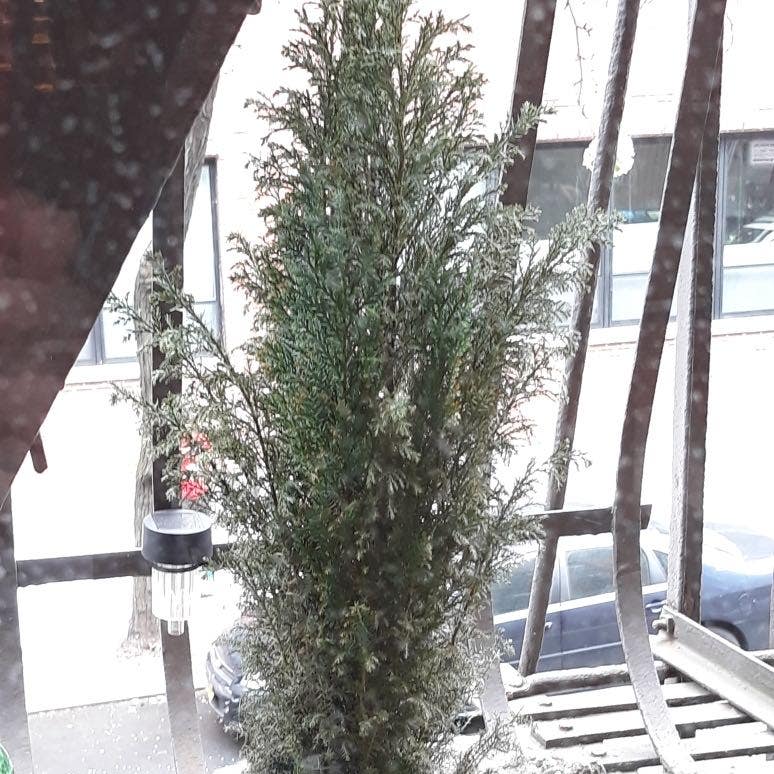
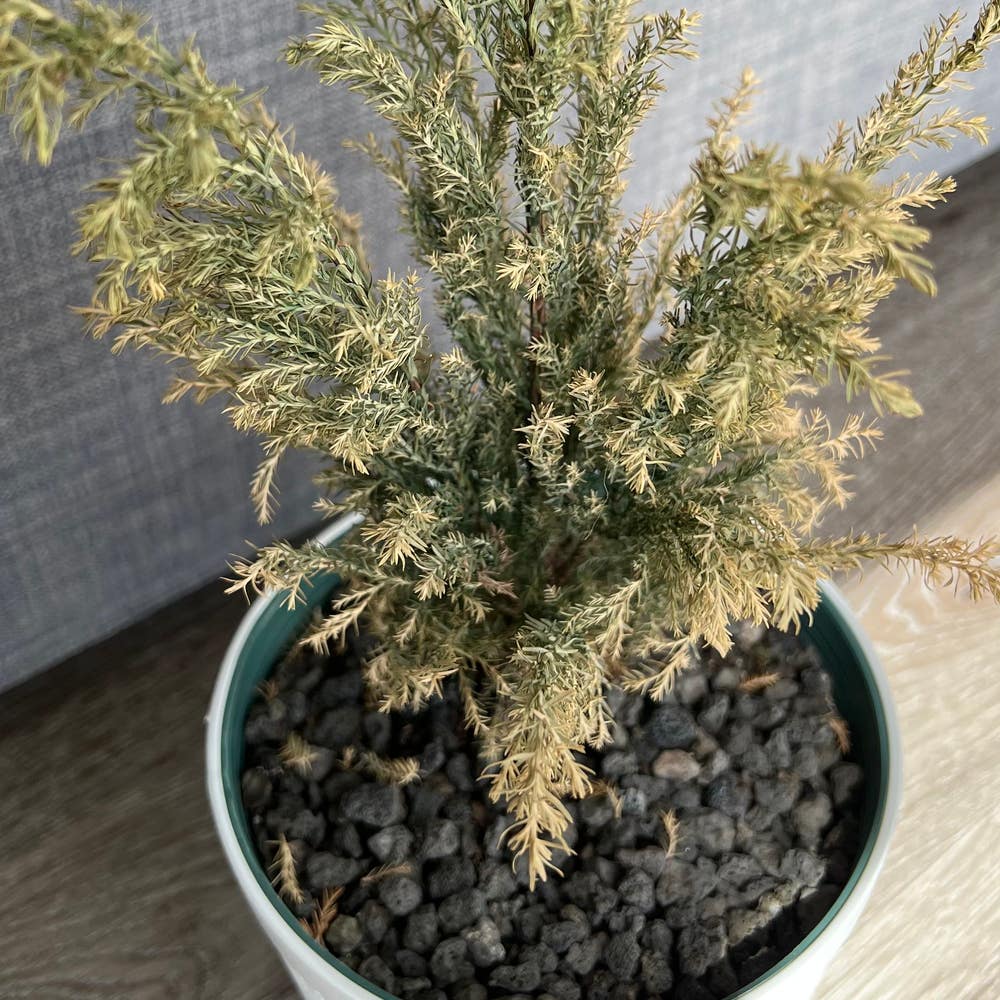
🌳 How to Cure Droopy Leaves on Your Mini European Cypress Tree
Chamaecyparis lawsoniana 'Ellwoodii'
By the Greg Editorial Team
Oct 16, 2024•6 min read
This article was created with the help of AI so we can cover more plants for you. May contain errors. See one? Report it here.
Transform your droopy mini European cypress tree into a thriving beauty 🌳 with essential care tips for watering and nutrients!
- 💧 Overwatering and underwatering both cause droopy leaves; adjust watering practices accordingly.
- 🌱 Soil quality and drainage are vital; use well-draining mixes to prevent root issues.
- 🐛 Regular pest inspections are crucial; treat infestations promptly to maintain tree health.
Causes of Droopy Leaves
💧 Overwatering and Its Effects
Overwatering is a common culprit behind droopy leaves. Look for symptoms like yellowing leaves, mushy roots, and a foul odor from the soil.
The impact on your mini European cypress tree can be severe. Root rot may develop, leading to irreversible damage that can compromise the tree's health.
🚰 Underwatering and Dehydration
On the flip side, underwatering can also cause droopy leaves. Symptoms include crispy, brown leaf tips and overall wilting.
Prolonged dehydration weakens the tree and can ultimately lead to leaf drop. It's crucial to find a balance in your watering routine.
🌱 Soil Quality and Drainage Issues
Soil quality plays a vital role in your tree's health. Well-drained soil prevents waterlogging and promotes healthy root systems.
Signs of poor drainage include water pooling on the surface and compacted soil. These conditions can exacerbate droopiness.
🥦 Nutrient Deficiencies
🌿 Nitrogen Deficiency
Nitrogen deficiency manifests as pale green leaves and stunted growth. This nutrient is essential for foliage development.
Without adequate nitrogen, your tree may struggle to thrive. Regularly check for signs to ensure your tree gets what it needs.
⚡ Magnesium Deficiency
Magnesium deficiency shows up as interveinal chlorosis, where the area between leaf veins turns yellow. Magnesium is crucial for photosynthesis and overall plant vigor.
A lack of magnesium can hinder your tree's ability to produce energy effectively. Keep an eye on nutrient levels to avoid this issue.
🐜 Pest Infestations
🕷️ Spider Mites
Spider mites can wreak havoc on your cypress tree. Look for fine webbing and stippled leaves as symptoms.
These pests can cause significant stress, leading to droopiness. Regular inspections can help catch infestations early.
🍃 Aphids
Aphids are another threat, leaving sticky residue on leaves and causing distorted growth. They weaken the plant and can lead to further issues.
Monitoring for these pests is essential to maintain your tree's health. Don't underestimate their impact!
🍄 Fungal Diseases
🌊 Root Rot
Root rot is a serious concern, especially if you notice wilting despite adequate watering. Dark, mushy roots are a telltale sign.
This condition often arises from overwatering and poor drainage. Addressing these factors promptly can save your tree from further decline.
Understanding these causes is the first step in reviving your mini European cypress tree. Next, we'll explore how to diagnose droopy leaves effectively.
Diagnosing Droopy Leaves
🌊 Visual Signs of Overwatering vs. Underwatering
Identifying whether your mini European cypress tree is suffering from overwatering or underwatering is crucial. Overwatering typically presents with yellow leaves, root rot, and saturated soil, while underwatering shows up as brown tips, dry soil, and overall wilting.
🐛 Identifying Pests and Their Damage
Regular inspections can help catch pest issues early. Look for visible pests like spider mites and aphids, as well as signs of damage on leaves, such as stippling or sticky residue.
🥦 Recognizing Nutrient Deficiency Symptoms
Nutrient deficiencies can also lead to droopy leaves. Nitrogen deficiency manifests as pale leaves and stunted growth, while magnesium deficiency shows up as yellowing between leaf veins.
🌤️ Assessing Environmental Factors
Understanding the environmental conditions is key to diagnosing droopy leaves.
Light
Your cypress tree thrives in full sun to partial shade. If you notice stretching and leggy growth, it may not be getting enough light.
Temperature
The ideal temperature range for your tree is between 15°C to 25°C (59°F to 77°F). Leaf drop and discoloration can indicate temperature stress.
Humidity
Cypress trees prefer moderate humidity levels. Signs of low humidity include leaf curling and browning, which can exacerbate droopiness.
By carefully observing these factors, you can pinpoint the cause of your tree's droopy leaves and take appropriate action. Next, let’s explore effective solutions to alleviate this issue.
Solutions for Alleviating Droopy Leaves
🌊 Adjusting Watering Practices (difficulty: easy)
To revive your mini European cypress, start by determining the right watering frequency. Water when the top inch of soil feels dry to the touch.
Using a moisture meter can provide accurate readings, ensuring you don’t overwater. Always ensure proper drainage by using pots with drainage holes to prevent waterlogging.
🏞️ Improving Soil Drainage (difficulty: moderate)
Soil quality plays a crucial role in your tree's health. Opt for well-draining potting mixes or sandy loam to promote healthy root systems.
You can also amend your soil with perlite or sand to enhance drainage. This simple adjustment can make a significant difference in preventing droopy leaves.
🌱 Fertilizing for Nutrient Balance (difficulty: moderate)
Nutrient balance is essential for vibrant foliage. Use balanced NPK fertilizers or specific nutrient supplements to support your tree's growth.
Apply these fertilizers every 4-6 weeks during the growing season for optimal results. This regular feeding will help your cypress thrive.
🐛 Treating Pests and Diseases (difficulty: hard)
Pest infestations can lead to droopy leaves, so it's vital to act quickly. Use insecticidal soap or neem oil to tackle spider mites and aphids effectively.
For fungal issues like root rot, apply fungicides and improve drainage to prevent recurrence. Addressing these problems promptly will keep your tree healthy.
✂️ Pruning Affected Areas (difficulty: easy)
Pruning is a straightforward way to encourage new growth. Remove any dead or damaged leaves and stems to help your tree focus its energy on healthy parts.
Timing is key—prune during the growing season for the best recovery results. This will not only improve appearance but also promote overall vitality.
By implementing these solutions, you can effectively alleviate droopy leaves and restore your mini European cypress tree's health. Next, let’s explore how to prevent future leaf droop and maintain your tree’s vibrancy.
Preventing Future Leaf Droop
🌊 Best Practices for Watering
Establishing a consistent watering schedule is crucial for your Mini European Cypress tree. Adjust your routine based on seasonal changes to ensure your tree receives the right amount of moisture.
Using the Greg plant care app can be a game-changer. This AI-powered tool sends reminders tailored to your plant's needs, helping you stay on track.
🌱 Soil Selection and Amendments
Choosing well-draining soil is essential for preventing droopy leaves. Opt for a potting mix designed for cypress trees or amend your existing soil with materials like perlite or sand.
Regularly checking soil quality is just as important. Make adjustments as needed to maintain optimal drainage and nutrient levels.
🐞 Regular Pest Monitoring
Inspect your plants weekly for any signs of pests. Early detection can save your tree from significant stress and droopiness.
Implement preventive measures, such as introducing beneficial insects like ladybugs. These natural allies can help keep harmful pests at bay.
🌦️ Seasonal Care Adjustments
Adjust your watering and fertilization based on seasonal growth patterns. For instance, during the growing season, your tree may need more frequent watering.
Monitoring environmental conditions is equally vital. Adapt your care routine to changes in temperature and humidity to keep your tree thriving.
🌞 Environmental Control
Ensure your Mini European Cypress tree receives adequate light exposure. Ideally, it should bask in full sun to partial shade for optimal growth.
Maintaining humidity levels is also crucial. Consider using humidifiers or pebble trays filled with water to create a more suitable environment indoors.
By implementing these preventive measures, you can help your Mini European Cypress tree flourish and avoid future leaf droop. Next, let’s explore solutions for alleviating droopy leaves when they do occur.
⚠️ Safety First
This content is for general information and may contain errors, omissions, or outdated details. It is not medical, veterinary advice, or an endorsement of therapeutic claims.
Always consult a qualified healthcare professional before using any plant as food, medicine, or supplement.
Never eat any plant (or feed one to pets) without confirming its identity with at least two trusted sources.
If you suspect poisoning, call Poison Control (800) 222-1222, the Pet Poison Helpline (800) 213-6680, or your local emergency service immediately.
Spotted an error? Please report it here.
Keep your mini European cypress tree thriving 🌳 by using Greg to manage your watering schedule and receive personalized care tips that prevent droopy leaves and promote healthy growth!