🌲 Mini European Cypress Tree Is Not an Annual
Chamaecyparis lawsoniana 'Ellwoodii'
By the Greg Editorial Team
Oct 16, 2024•5 min read
This article was created with the help of AI so we can cover more plants for you. May contain errors. See one? Report it here.
Unlock your garden's potential with the resilient Mini European Cypress Tree's beauty and longevity! 🌲
- 🌳 Mini European Cypress trees live for decades, thriving in Mediterranean climates.
- 🌱 They transition from juvenile to mature, showcasing resilience and adaptability over years.
- 🌿 Not annuals, they require careful long-term planning for successful garden integration.
Genetic and Physiological Characteristics
🌱 Long-term Lifecycle of Mini European Cypress Tree
The Mini European Cypress Tree boasts a remarkable lifespan, often living for several decades. Its growth journey transitions from a juvenile stage to a mature tree, showcasing resilience and adaptability.
📈 Growth Patterns and Reproductive Strategies
This tree exhibits a moderate growth rate, typically reaching maturity over several years. Seed production occurs through cones that mature gradually, usually every 2-3 years, ensuring a steady cycle of regeneration.
🌲 Evergreen Nature and Its Implications
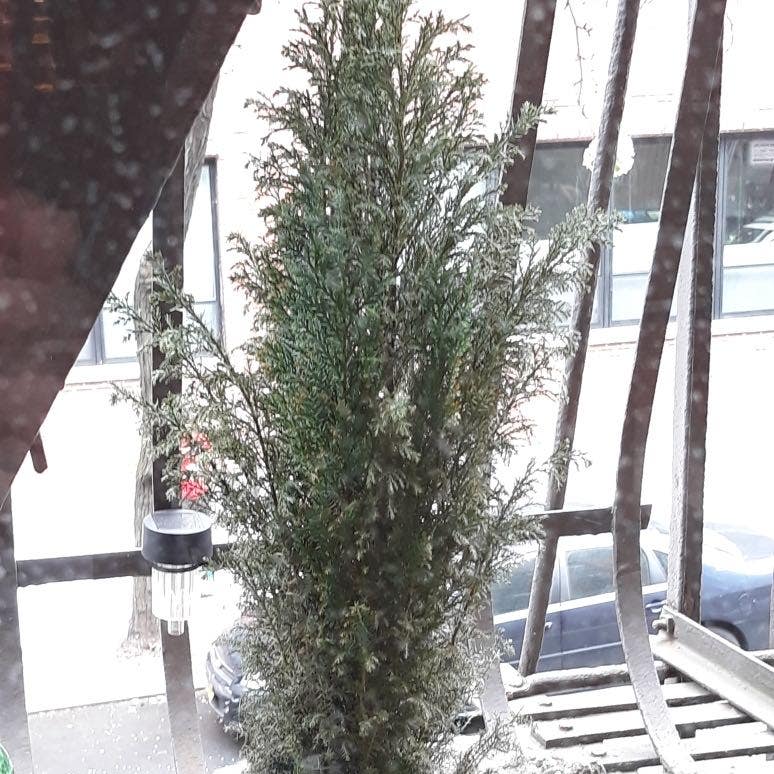
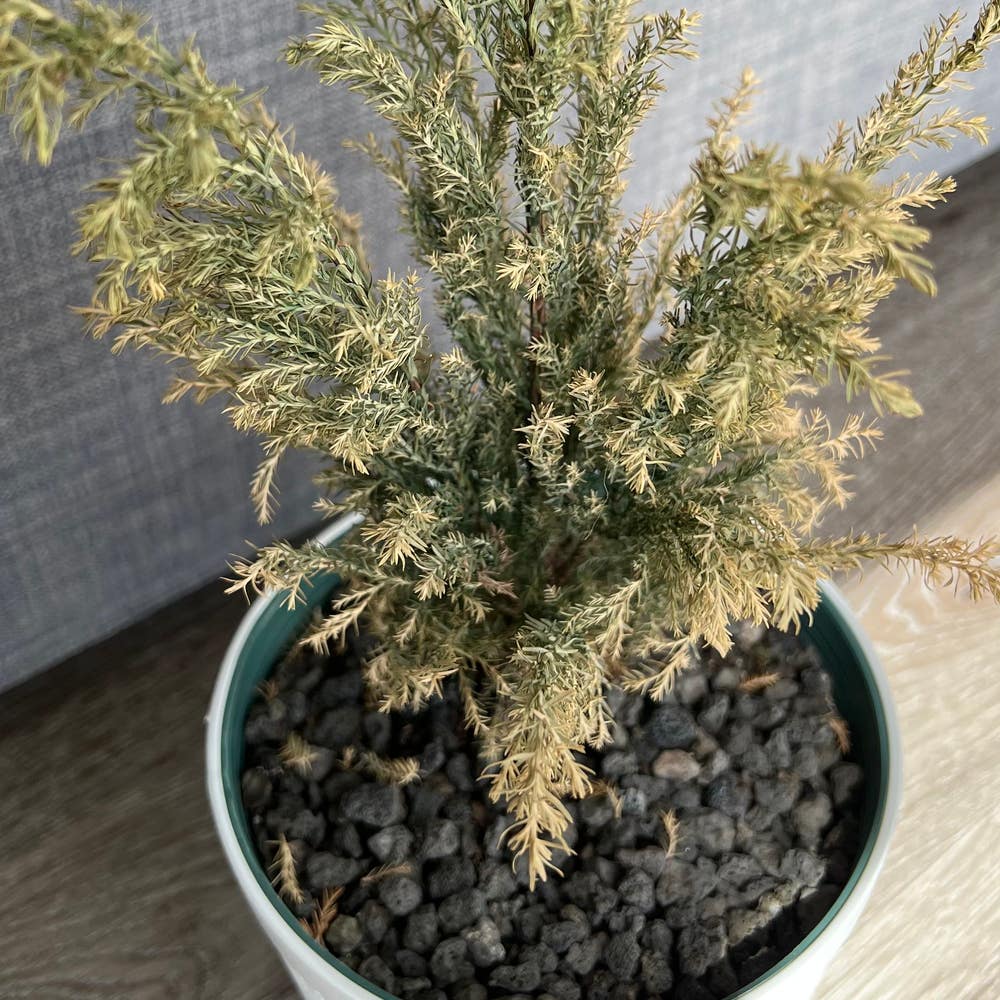
One of the most striking features of the Mini European Cypress is its evergreen foliage, which remains vibrant year-round. This adaptation is crucial for thriving in Mediterranean climates, allowing the tree to withstand varying environmental conditions.
The unique genetic and physiological traits of the Mini European Cypress Tree not only contribute to its longevity but also enhance its role in garden design. Understanding these characteristics sets the stage for exploring its lifecycle implications.
Lifecycle Implications
🌱 Growth and Flowering Cycles
The Mini European Cypress Tree exhibits seasonal growth patterns, thriving actively during spring and summer. This robust growth phase sets the stage for flowering, as cones begin to develop in late summer and continue into fall.
🌰 Seed Production Compared to Annuals
Unlike annual plants, the Mini European Cypress has a more extended timeline for seed production. It typically takes several years to reach maturity, producing fewer seeds, but these seeds often have higher viability compared to those of annuals.
🌍 Environmental Factors Affecting Lifecycle
Climate plays a crucial role in the growth and reproductive success of the Mini European Cypress. This tree has adapted to withstand drought and poor soil conditions, making it resilient in various environments, particularly in Mediterranean climates.
Understanding these lifecycle implications helps gardeners appreciate the unique characteristics of the Mini European Cypress Tree. As we delve deeper, we’ll explore common misconceptions that may arise regarding its perennial nature.
Common Misconceptions
Situations Where Mini European Cypress Tree May Be Mistaken for an Annual 🌲
In colder climates, the Mini European Cypress Tree often faces misinterpretation. Gardeners may mistakenly believe it’s an annual due to its struggle to thrive in harsh winters.
This perception can lead to the assumption that the tree has a short lifespan. Environmental stressors can exacerbate this misunderstanding, causing premature removal or neglect.
Regional Variations in Treatment and Perception 🌍
Care practices for the Mini European Cypress vary significantly based on climate. In warmer regions, it flourishes, while in colder areas, it may require extra attention to survive.
Mismanagement can lead to premature removal, as gardeners may not recognize its perennial nature. Understanding the specific needs of this tree is crucial for its longevity and health in diverse environments.
As we delve deeper into gardening and design considerations, it's essential to appreciate the unique role of the Mini European Cypress in landscape aesthetics.
Gardening and Design Considerations
🌲 Advantages of Using Mini European Cypress Tree in Garden Design
The Mini European Cypress Tree is a stunning addition to any garden. Its conical shape and lush evergreen foliage provide year-round beauty, making it a favorite among gardeners.
This tree's versatility shines through in various landscape designs. Whether used as hedges, borders, or focal points, it enhances the aesthetic appeal of outdoor spaces.
📅 Planning for Perennial Growth Versus Annual Planning
When incorporating the Mini European Cypress into your garden, think long-term. This tree represents a solid investment, offering lasting beauty and structure.
Integrating it into perennial garden schemes allows for a cohesive design that thrives over the years. Planning with perennials in mind ensures your garden remains vibrant and engaging season after season.
As you consider your garden layout, remember that the Mini European Cypress can elevate your design while providing a reliable, evergreen presence. This tree not only beautifies but also enriches the overall landscape, making it a wise choice for any gardening enthusiast.
Next, let’s explore effective management tips to keep your Mini European Cypress healthy and thriving.
Management Tips
Best Practices for Managing Mini European Cypress Tree as a Perennial 🌲
To ensure your Mini European Cypress thrives, focus on its soil requirements. It prefers well-drained, nutrient-rich soil that promotes healthy root development.
Watering is equally important. Aim for moderate moisture levels, avoiding waterlogging, which can lead to root rot.
Tips for Maximizing Longevity and Health in the Garden 🌱
Pruning is essential for maintaining the shape and health of your tree. Regularly trim back any dead or overgrown branches to encourage new growth.
Establish a fertilization schedule by feeding your tree annually in early spring. This boosts nutrient levels and supports vigorous growth.
Pest management is crucial for a healthy garden. Keep an eye out for common pests and diseases, and act quickly to address any issues that arise.
By following these management tips, you can enjoy the beauty and longevity of your Mini European Cypress Tree for years to come. Next, let’s explore the advantages of incorporating this tree into your garden design.
⚠️ Safety First
This content is for general information and may contain errors, omissions, or outdated details. It is not medical, veterinary advice, or an endorsement of therapeutic claims.
Always consult a qualified healthcare professional before using any plant as food, medicine, or supplement.
Never eat any plant (or feed one to pets) without confirming its identity with at least two trusted sources.
If you suspect poisoning, call Poison Control (800) 222-1222, the Pet Poison Helpline (800) 213-6680, or your local emergency service immediately.
Spotted an error? Please report it here.
Ensure your Mini European Cypress thrives for decades with Greg's personalized care tips 🌱 that guide you through watering, pruning, and pest management for a stunning garden centerpiece!