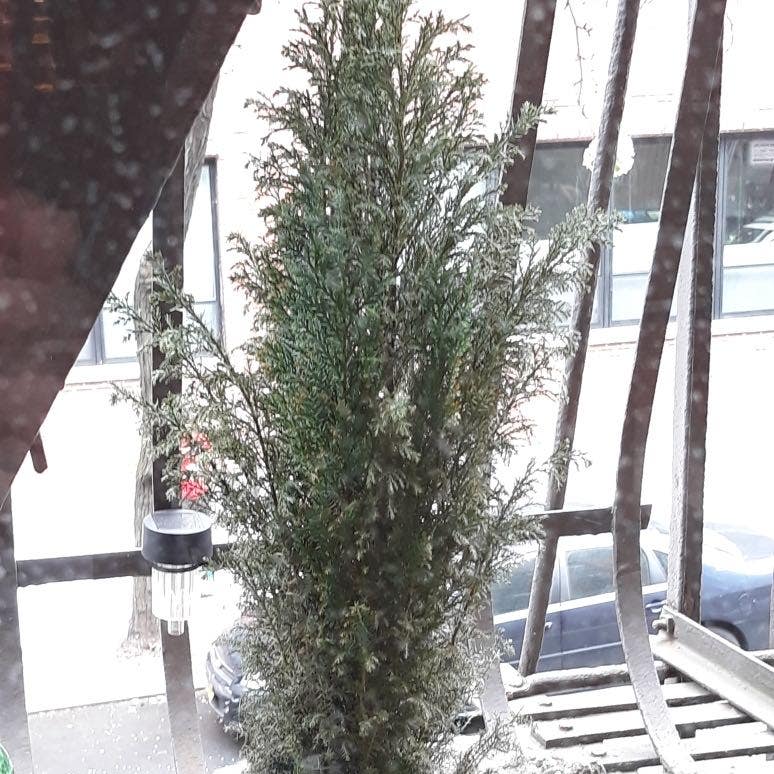
🌲 4 Tips for Growing Mini European Cypress Tree
Chamaecyparis lawsoniana 'Ellwoodii'
By the Greg Editorial Team
Oct 16, 2024•5 min read
This article was created with the help of AI so we can cover more plants for you. May contain errors. See one? Report it here.
Cultivate stunning Mini European Cypress trees with expert planting and care tips for a vibrant garden! 🌱
- ☀️ Mini European Cypress needs 6-8 hours of sunlight daily for optimal growth.
- 🌱 Space trees 3-5 feet apart for healthy airflow and development.
- 💧 Well-draining soil and proper watering are crucial to prevent yellowing leaves.
Site Selection and Soil Preparation
🌞 Choosing the Right Location
To thrive, Mini European Cypress trees need full sun, ideally receiving 6 to 8 hours of sunlight daily. Ensure you have enough space for growth; plant them 3 to 5 feet apart to allow for their natural expansion.
🌱 Soil Type and pH Requirements
These trees prefer well-draining sandy or loamy soil, which helps prevent root rot. Aim for a soil pH between 6.0 and 7.5 for optimal health and growth.
🛠️ Soil Preparation Techniques
Before planting, enhance your soil by adding organic matter like compost. This not only boosts fertility but also improves soil structure.
For drainage, consider incorporating perlite or sand. This will help keep the roots healthy and prevent waterlogging, ensuring your Mini European Cypress has the best start possible.
With the right location and soil preparation, you're setting the stage for a thriving tree. Next, let’s dive into effective planting techniques to ensure your Cypress flourishes.
Planting Techniques
Step-by-Step Planting Instructions 🌱
Planting your Mini European Cypress is straightforward.
Digging the hole: Start by digging a hole that is twice the width and the same depth as the root ball. This ensures the roots have plenty of room to spread.
Positioning the tree: Carefully place the tree in the hole, making sure the root ball is level with the soil surface. This prevents water from pooling around the trunk.
Backfilling: Fill the hole with native soil, gently tamping it down to eliminate air pockets. This helps the roots establish a solid connection with the soil.
Container vs. Outdoor Planting Considerations 🏡
Deciding between container gardening and outdoor planting?
Container gardening: Opt for pots with drainage holes and use a quality potting mix. This setup allows for better control over soil moisture and nutrients.
Outdoor planting: Ensure you consider spacing for air circulation and growth. Proper spacing helps prevent diseases and allows each tree to thrive.
Spacing Requirements for Optimal Growth 📏
Spacing is crucial for the health of your Mini European Cypress.
Recommended spacing: Aim for 3-5 feet apart if planting for hedges or borders. This distance promotes airflow and reduces competition for resources.
Considerations for aesthetic appeal and airflow: Think about how the trees will look as they mature. Proper spacing enhances both beauty and health, allowing each tree to shine in its own right.
With these planting techniques, you’re well on your way to establishing a thriving Mini European Cypress. Next, let’s explore how to care for your new trees through watering and fertilizing.
Watering and Fertilizing
💧 Watering Frequency and Techniques
Watering is crucial for the health of your Mini European Cypress. Start with deep watering right after planting to help establish the roots.
After that, maintain a schedule of watering every 1-2 weeks. Adjust this based on rainfall; too much or too little can stress the tree.
🌱 Best Fertilizers for Mini European Cypress
Choosing the right fertilizer can make a significant difference. Opt for a balanced NPK fertilizer, like 10-10-10, or consider slow-release options for steady nourishment.
Timing is key—fertilize in early spring to kickstart growth and again in mid-summer to keep your tree thriving.
🚿 Signs of Overwatering or Underwatering
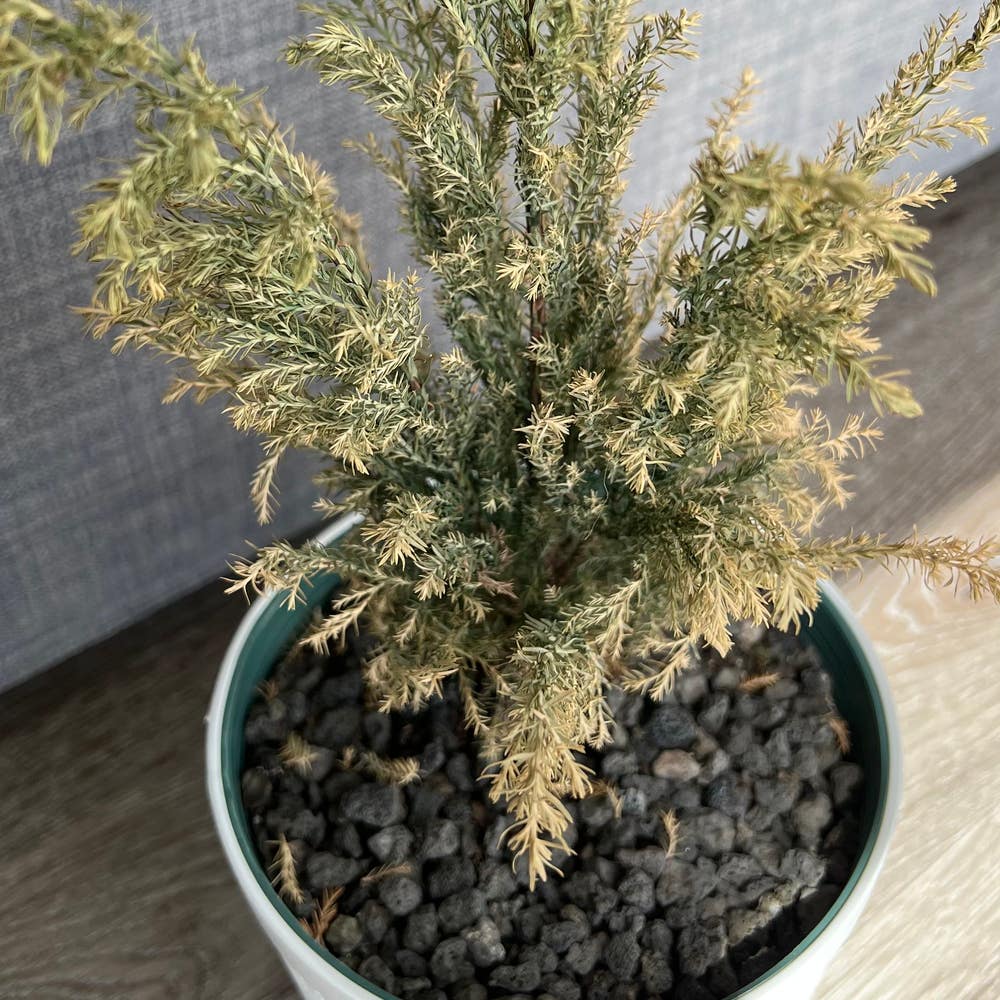
Monitoring your tree's health is essential. Overwatering can lead to yellowing leaves and root rot, signaling that you need to cut back on moisture.
On the flip side, underwatering shows up as browning tips and wilting foliage. Keep an eye on these signs to ensure your Mini European Cypress stays vibrant and healthy.
With proper watering and fertilizing, your tree will flourish, setting the stage for effective pruning and maintenance.
Pruning and Maintenance
🌳 When and How to Prune Mini European Cypress
Pruning your Mini European Cypress is essential for its health and aesthetics. Aim to prune in late winter or early spring, just before new growth begins.
Light trimming helps maintain the tree's shape and encourages fuller growth. Always remove any dead or damaged branches to promote vitality.
🛠️ Maintenance Tips for Healthy Growth
Regular inspections are crucial for catching pests and diseases early. Keep an eye out for any unusual signs, as early detection can save your tree.
Mulching is another effective strategy. Applying organic mulch helps retain moisture and suppress weeds, creating a healthier environment for your cypress.
🌦️ Seasonal Care Routines
Each season brings unique care needs for your Mini European Cypress. In spring, focus on fertilizing and pruning to kickstart growth.
During summer, monitor water needs closely and keep an eye out for pests. As fall approaches, prepare your tree for winter by reducing watering frequency.
By following these maintenance tips, your Mini European Cypress will thrive, showcasing its beauty year-round. Next, let’s explore common challenges and solutions to keep your tree healthy and vibrant.
Common Challenges and Solutions
🐛 Identifying and Managing Pests and Diseases
Mini European Cypress trees can attract a few pesky pests. Common culprits include aphids, spider mites, and scale insects.
To combat these nuisances, consider using insecticidal soap or neem oil. Both are effective and eco-friendly options that won't harm your tree or the environment. Additionally, introducing beneficial insects can help keep pest populations in check.
🌍 Addressing Environmental Stressors
Environmental stressors can pose challenges to your cypress's health. Drought is a significant concern, especially in dry seasons.
Implement deep watering techniques to ensure your tree receives adequate moisture. Mulching around the base can also help retain soil moisture and regulate temperature.
Frost can be another threat, particularly for younger trees. Covering them during cold snaps can provide essential protection and prevent frost damage.
🌱 Troubleshooting Common Growth Issues
Sometimes, your cypress may show signs of distress, like yellowing foliage. This often indicates overwatering or nutrient deficiencies.
If you notice stunted growth, it’s time to assess your tree's environment. Check for proper soil drainage and ensure it’s getting enough sunlight.
By staying vigilant and addressing these challenges, you can ensure your Mini European Cypress thrives beautifully. Next, let’s explore effective pruning and maintenance techniques to keep your tree healthy and vibrant.
⚠️ Safety First
This content is for general information and may contain errors, omissions, or outdated details. It is not medical, veterinary advice, or an endorsement of therapeutic claims.
Always consult a qualified healthcare professional before using any plant as food, medicine, or supplement.
Never eat any plant (or feed one to pets) without confirming its identity with at least two trusted sources.
If you suspect poisoning, call Poison Control (800) 222-1222, the Pet Poison Helpline (800) 213-6680, or your local emergency service immediately.
Spotted an error? Please report it here.
Nurture your Mini European Cypress Tree to flourish beautifully 🌳 with Greg's personalized care reminders and watering schedules that keep your tree thriving all year round!