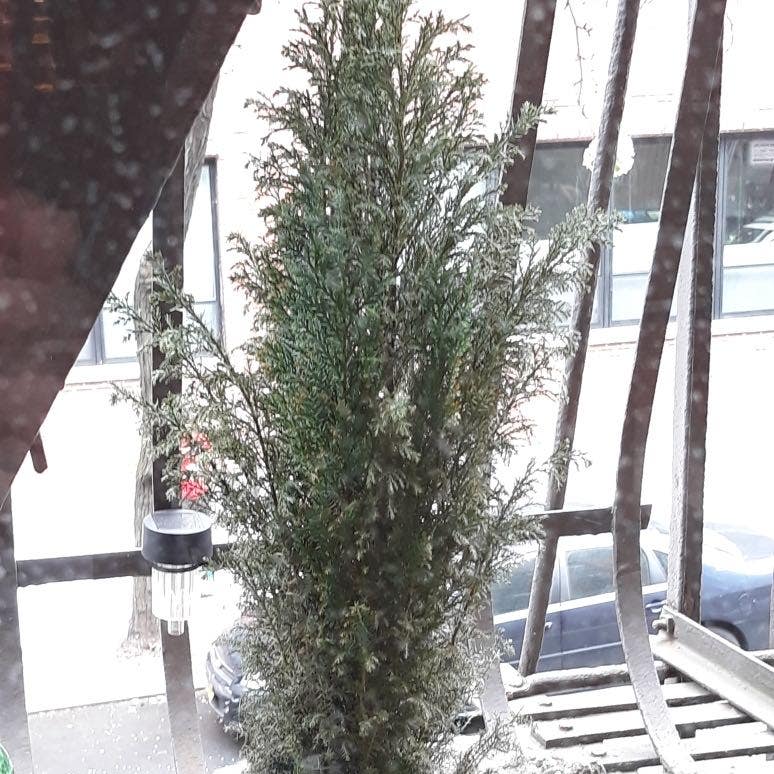
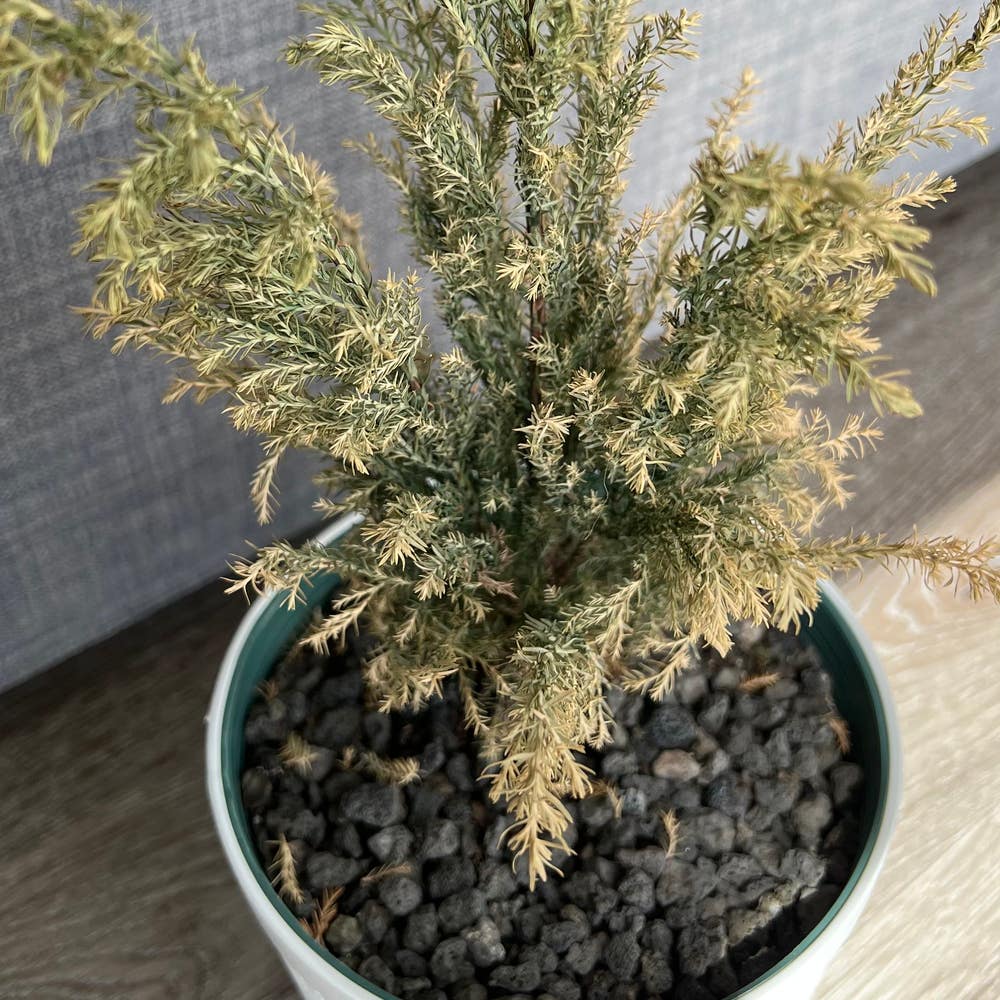
🌳 4 Tips for Healthy Mini European Cypress Tree Roots
Chamaecyparis lawsoniana 'Ellwoodii'
By the Greg Editorial Team
Oct 16, 2024•6 min read
This article was created with the help of AI so we can cover more plants for you. May contain errors. See one? Report it here.
Master the unique root system of Mini European Cypress 🌲 for thriving growth and vibrant health in your garden!
- 🌱 Mini European Cypress roots are dense and shallow, ensuring efficient nutrient absorption.
- 💧 Well-draining soil and regular moisture are vital to prevent root stress and promote growth.
- 🔍 Healthy roots appear firm and light-colored; watch for signs of rot or stress.
Root System Characteristics
Type of Root System 🌱
The Mini European Cypress features a fibrous root system characterized by dense, shallow roots that spread widely. This structure allows the tree to efficiently absorb nutrients and stabilize itself across various soil types.
Advantages of the Fibrous Root System 🌟
The advantages of this root system are significant. Its wide spread enhances nutrient uptake, making the tree resilient in diverse environments.
Specific Characteristics of Mini European Cypress Roots 🌍
Mini European Cypress roots are notably adaptable to different soil conditions. This adaptability is crucial for thriving in various landscapes and climates.
Resilience to Environmental Stressors 💪
These roots exhibit remarkable resilience against environmental stressors, including drought and pests. This resilience contributes to the overall health and growth of the plant, ensuring it can withstand challenging conditions.
Understanding these root system characteristics is essential for effective care. This knowledge sets the stage for exploring root depth and spread in the next section.
Root Depth and Spread
🌱 Typical Root Depth and Spread Patterns
The Mini European Cypress boasts a root depth averaging between 12 to 24 inches (30-60 cm). Its roots can spread 2 to 3 times the width of the canopy, creating a shallow yet extensive network that efficiently absorbs nutrients.
This growth pattern allows the tree to quickly access essential resources, making it well-suited for various environments. Understanding these characteristics is crucial for effective care and maintenance.
🧑🌾 Implications for Care
Recognizing the root spread is vital for proper planting and spacing. Ensuring adequate room for roots to expand helps prevent competition for nutrients and water.
Soil type and drainage are also key considerations. Well-draining soil prevents waterlogging, which can stress the roots and hinder growth. By keeping these factors in mind, you can foster a thriving Mini European Cypress that flourishes in your garden.
As we delve deeper into caring for these trees, let’s explore how their root system influences watering and fertilizing needs.
Watering and Fertilizing
🌱 How the Root System Affects Watering Needs
Regular moisture is crucial for Mini European Cypress trees, especially during dry spells. Their fibrous root system thrives on consistent watering, which helps them absorb nutrients efficiently.
Deep watering techniques are essential to encourage robust root growth. This method not only promotes deeper roots but also helps prevent drought stress, ensuring your tree remains healthy and vibrant.
🌿 Fertilizing Techniques Tailored to Root Health
To support root health, use balanced NPK fertilizers. These formulations provide the necessary nutrients for optimal growth and resilience.
Timing is key; fertilize during the growing season and avoid late fall applications. This ensures that the nutrients are available when the tree needs them most.
When it comes to application methods, consider both surface application and root drenching. Surface application is straightforward, while root drenching delivers nutrients directly to the roots, enhancing absorption.
Understanding these watering and fertilizing techniques will set your Mini European Cypress on the path to thriving health. Next, let’s explore common root-related issues and how to tackle them effectively.
Common Root-Related Issues
🕵️♂️ Identification of Common Root Problems
Root rot is a significant concern for Mini European Cypress trees. Symptoms often include yellowing foliage and wilting, signaling that the roots are struggling.
Pests can also wreak havoc on root systems. Common culprits include root weevils and nematodes, which can compromise the health of your tree.
🛠️ Prevention and Solutions for Root-Related Issues
To prevent root rot, adopt best practices for watering and soil management. Ensure that your soil drains well and avoid overwatering, which can create a soggy environment.
Integrated pest management strategies are essential for tackling root pests. Regularly inspect your plants and use organic solutions to keep pests at bay, ensuring a healthier root system.
Understanding these common issues will help you maintain a thriving Mini European Cypress. With proactive care, you can enjoy a robust and vibrant tree for years to come.
Next, let’s explore the indicators of root health to further enhance your plant care knowledge.
Indicators of Root Health
👀 Visual Cues for Healthy vs. Unhealthy Roots
Healthy roots are a gardener's delight. They should feel firm and exhibit a white or light tan color, indicating vitality and good health.
In contrast, unhealthy roots present a troubling sight. Look for dark, mushy textures or foul odors, which signal rot and potential plant demise.
📊 Other Indicators of Root Health
Beyond root appearance, plant vigor is a crucial indicator. A robust growth rate, vibrant leaf color, and overall lush appearance suggest that the roots are thriving.
Conversely, environmental stress responses like wilting or stunted growth can hint at underlying root issues. These signs warrant immediate attention to ensure your Mini European Cypress remains healthy and vibrant.
Understanding these indicators empowers you to take proactive steps in maintaining your plant's health. Next, let’s explore how to recognize and address rootbound conditions effectively.
Rootbound Plants
Definition and Recognition of Rootbound Conditions 🌱
Rootbound plants occur when roots circle the pot, indicating limited growth space. This condition can lead to stunted growth and may cause roots to emerge from drainage holes.
When and How to Address Rootbound Issues 🛠️
Recognizing when to repot or divide is crucial for plant health. Look for signs like slowed growth or roots pushing against the pot's sides.
To address rootbound issues, gently loosen the roots and provide fresh soil. This technique encourages new growth and helps the plant thrive in its new environment.
Understanding rootbound conditions ensures your Mini European Cypress remains healthy and vibrant. Next, let’s explore propagation and division techniques to maintain root integrity.
Propagation and Division
🌱 Importance of Root Health in Propagation
Healthy roots are crucial for successful propagation and growth. They not only support the plant's nutrient uptake but also enhance its resilience against environmental stressors.
When roots are strong and intact, the plant can better adapt to changes, ensuring a thriving life cycle. This foundation is essential for any gardener looking to expand their Mini European Cypress collection.
🔧 Techniques for Maintaining Root Integrity During Division
Timing is key when dividing plants. The best time to propagate is during the growing season, as the plant is more active and can recover quickly.
Using the right tools is equally important. Sharp, clean tools minimize damage and help maintain root integrity.
To ensure minimal disturbance during propagation, follow these steps:
- Prepare the New Pot: Fill it with fresh, well-draining soil.
- Gently Remove the Plant: Carefully lift the plant from its pot, avoiding excessive tugging.
- Loosen the Roots: If roots are circling, gently tease them apart without breaking them.
- Replant: Position the plant in the new pot and cover the roots with soil, ensuring they are well-supported.
By following these techniques, you can promote healthy growth and ensure your Mini European Cypress thrives in its new environment.
Understanding these propagation methods not only enhances your gardening skills but also sets the stage for the next topic: recognizing root health indicators.
⚠️ Safety First
This content is for general information and may contain errors, omissions, or outdated details. It is not medical, veterinary advice, or an endorsement of therapeutic claims.
Always consult a qualified healthcare professional before using any plant as food, medicine, or supplement.
Never eat any plant (or feed one to pets) without confirming its identity with at least two trusted sources.
If you suspect poisoning, call Poison Control (800) 222-1222, the Pet Poison Helpline (800) 213-6680, or your local emergency service immediately.
Spotted an error? Please report it here.
Nurture your Mini European Cypress's root health 🌳 with Greg's tailored care reminders and expert tips, ensuring it thrives resiliently in any environment!