🌸 10 Tips for Blooming Your Mini European Cypress Tree
Chamaecyparis lawsoniana 'Ellwoodii'
By the Greg Editorial Team
Oct 16, 2024•4 min read
This article was created with the help of AI so we can cover more plants for you. May contain errors. See one? Report it here.
Uncover the charm of the Mini European Cypress Tree 🌲, a resilient beauty that thrives without traditional flowers!
- 🌲 Mini European Cypress produces cones, not flowers, enhancing its unique charm.
- 🌬️🐝 Pollination relies on wind and insects, boosting genetic diversity for healthier trees.
- 💧☀️ Well-watered and sunlit trees encourage cone production, ensuring species continuation.
Flowering Status
🌼 Clarification on Flowering
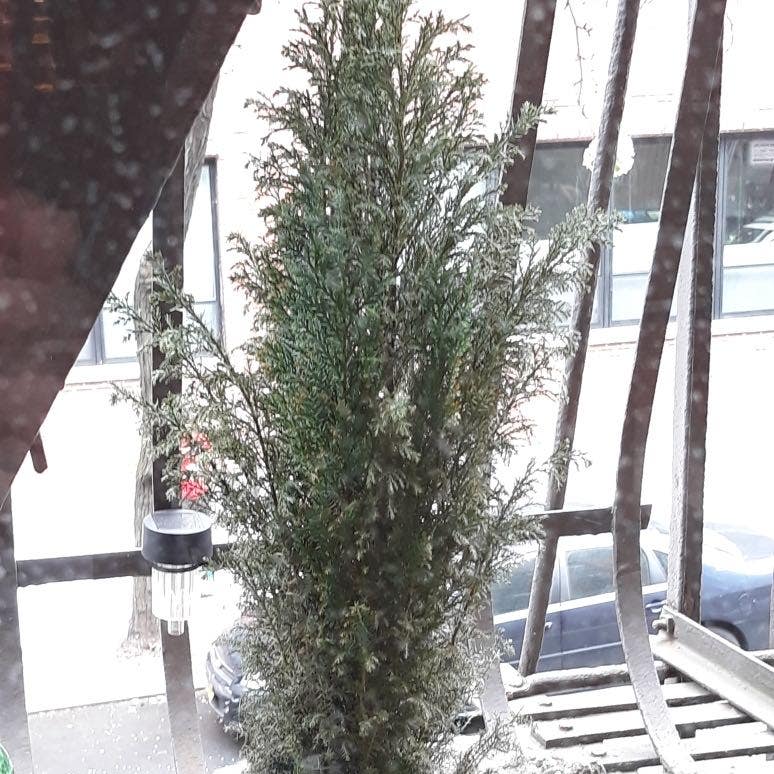
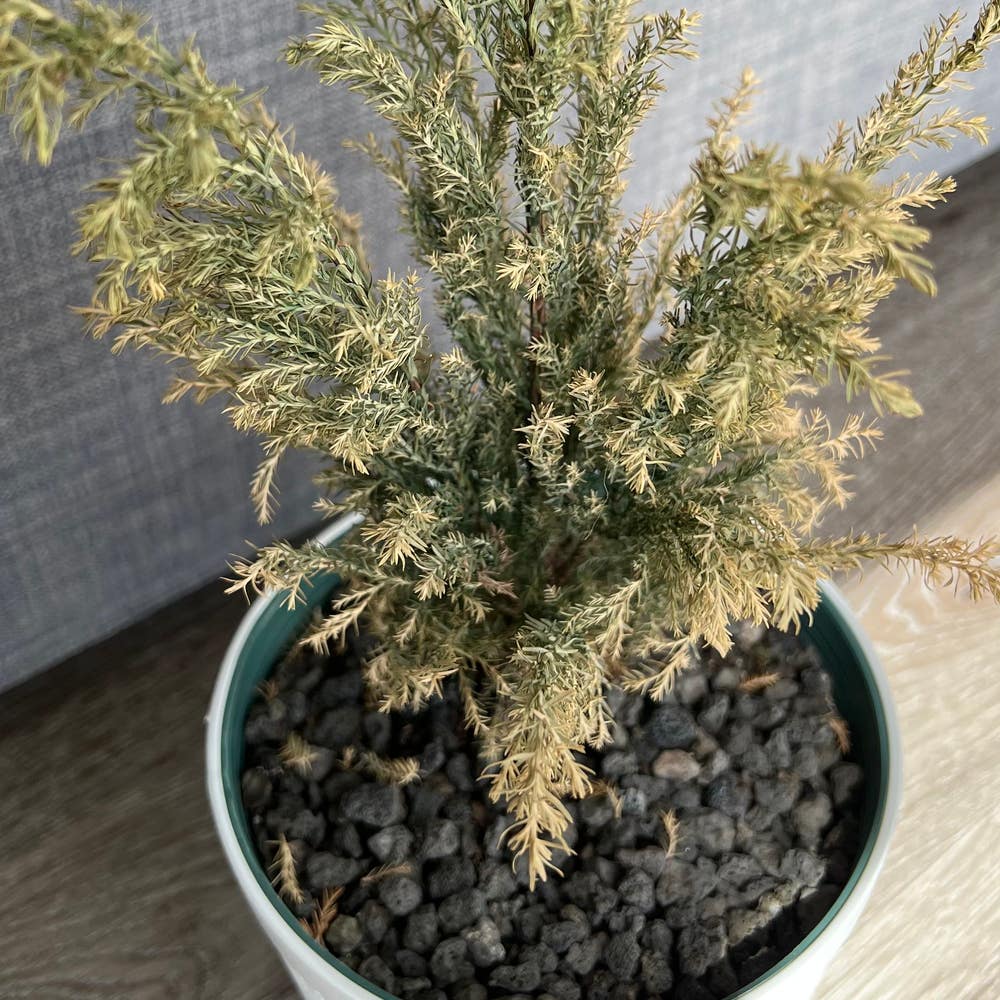
The Mini European Cypress Tree is primarily a non-flowering plant. Instead of blooms, it captivates with its lush foliage and compact growth habit, making it a popular choice for ornamental gardens.
This tree is cherished for its vibrant green color and unique texture, providing year-round beauty. While it may not produce traditional flowers, its aesthetic appeal lies in its dense, evergreen foliage.
If Mini European Cypress Tree Does Flower
🌼 Flower Characteristics
Description of Colors and Structure
The Mini European Cypress Tree is primarily known for its lush foliage rather than traditional flowers. Instead, it produces reproductive cones, which are small and often overlooked but play a crucial role in its life cycle.
Self-Pollination vs. External Pollination
These cones can be fascinating! The tree typically relies on external pollination, meaning it needs help from wind or insects to facilitate reproduction. This method enhances genetic diversity, which is essential for the tree's adaptability.
🌱 Blooming Process
Stages of Blooming
The blooming process for the Mini European Cypress involves several stages of cone development. Initially, tiny buds form, which gradually mature into cones over time.
Typical Bloom Time
Cone production usually aligns with seasonal changes, typically occurring in late spring to early summer. This timing allows the tree to take advantage of warmer temperatures and increased pollinator activity.
Duration from Bud Formation to Full Bloom
From bud formation to full bloom, the timeline can vary but generally spans several months. Expect to see cones fully mature by late summer, ready for pollination.
Lifespan of Cones
Once formed, cones can last for several years, playing a vital role in the tree's reproductive cycle. They eventually release seeds, ensuring the continuation of the species.
🌿 Encouraging Blooms
Tips for Promoting Cone Production
To encourage cone production, ensure your Mini European Cypress is well-watered and receives adequate sunlight. Fertilizing with a balanced nutrient mix can also boost its reproductive health.
Factors Influencing Reproductive Success
Environmental factors like temperature, humidity, and soil quality significantly influence reproductive success. A stable environment promotes healthy cone development and increases the likelihood of successful pollination.
🌳 Post-Flowering
Lifecycle After Cone Production
After cone production, the Mini European Cypress continues its lifecycle, focusing on growth and maintaining its vibrant foliage. The cones eventually fall off, leaving behind a resilient tree.
Clarification on Plant Mortality
It's important to note that the Mini European Cypress does not die after producing cones. Unlike traditional flowering plants, it thrives and continues to grow, showcasing its enduring nature.
This unique reproductive strategy allows the tree to flourish in various conditions, making it a beloved choice for ornamental gardens.
If Mini European Cypress Tree Doesn't Flower
🌿 Primary Ornamental Features
The Mini European Cypress Tree is celebrated for its stunning foliage. Its rich green color and unique texture make it a standout in any garden.
Different varieties showcase a range of hues, from deep emerald to lighter shades, adding depth to your landscape. The compact growth habit enhances its ornamental appeal, making it perfect for small spaces.
🌲 Reproductive Strategies Without Flowers
While this tree doesn't produce traditional flowers, it has a fascinating reproductive strategy. It relies on cones for reproduction, which serve as its primary means of propagating.
This method is significant because it allows the tree to thrive in various environments. The cones are not just for reproduction; they also play a crucial role in the tree's lifecycle, ensuring its survival and adaptability.
In summary, the Mini European Cypress Tree may not bloom in the conventional sense, but its ornamental features and unique reproductive strategies make it a remarkable addition to any garden.
Next, let’s explore the unique aspects of this resilient tree.
Unique Aspects
Unusual Characteristics 🌲
The Mini European Cypress Tree boasts unique adaptations that enhance its appeal despite its non-flowering status. Its compact growth habit allows it to thrive in limited spaces, making it a favorite for urban gardens and small landscapes.
Additionally, this tree has a remarkable ability to tolerate drought conditions. Its needle-like foliage minimizes water loss, ensuring it remains vibrant even in less-than-ideal environments.
Interesting Facts 📚
This resilient tree adapts well to various soil types, from sandy to clay, showcasing its versatility. It can flourish in both acidic and alkaline conditions, making it a low-maintenance choice for gardeners.
Historically, the Mini European Cypress has been cherished for its ornamental use in gardens and parks. Its presence often symbolizes longevity and resilience, adding a touch of elegance to any landscape.
In summary, the Mini European Cypress Tree is not just a beautiful addition to your garden; it embodies adaptability and strength, making it a remarkable choice for any plant enthusiast.
⚠️ Safety First
This content is for general information and may contain errors, omissions, or outdated details. It is not medical, veterinary advice, or an endorsement of therapeutic claims.
Always consult a qualified healthcare professional before using any plant as food, medicine, or supplement.
Never eat any plant (or feed one to pets) without confirming its identity with at least two trusted sources.
If you suspect poisoning, call Poison Control (800) 222-1222, the Pet Poison Helpline (800) 213-6680, or your local emergency service immediately.
Spotted an error? Please report it here.
Transform your garden with the evergreen elegance of the Mini European Cypress 🌲—let Greg guide you with tailored care tips to ensure your tree thrives and produces those vital cones!