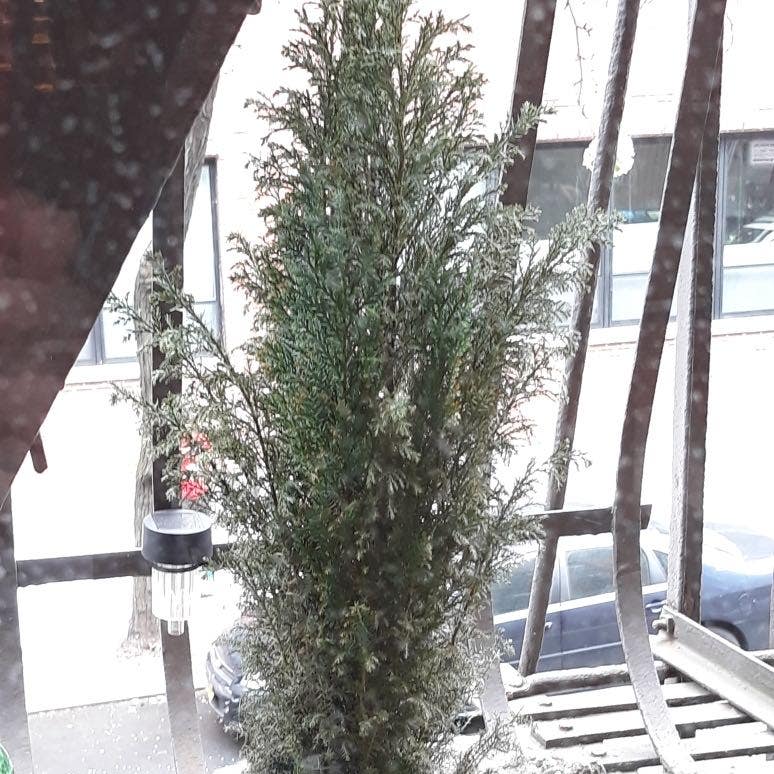
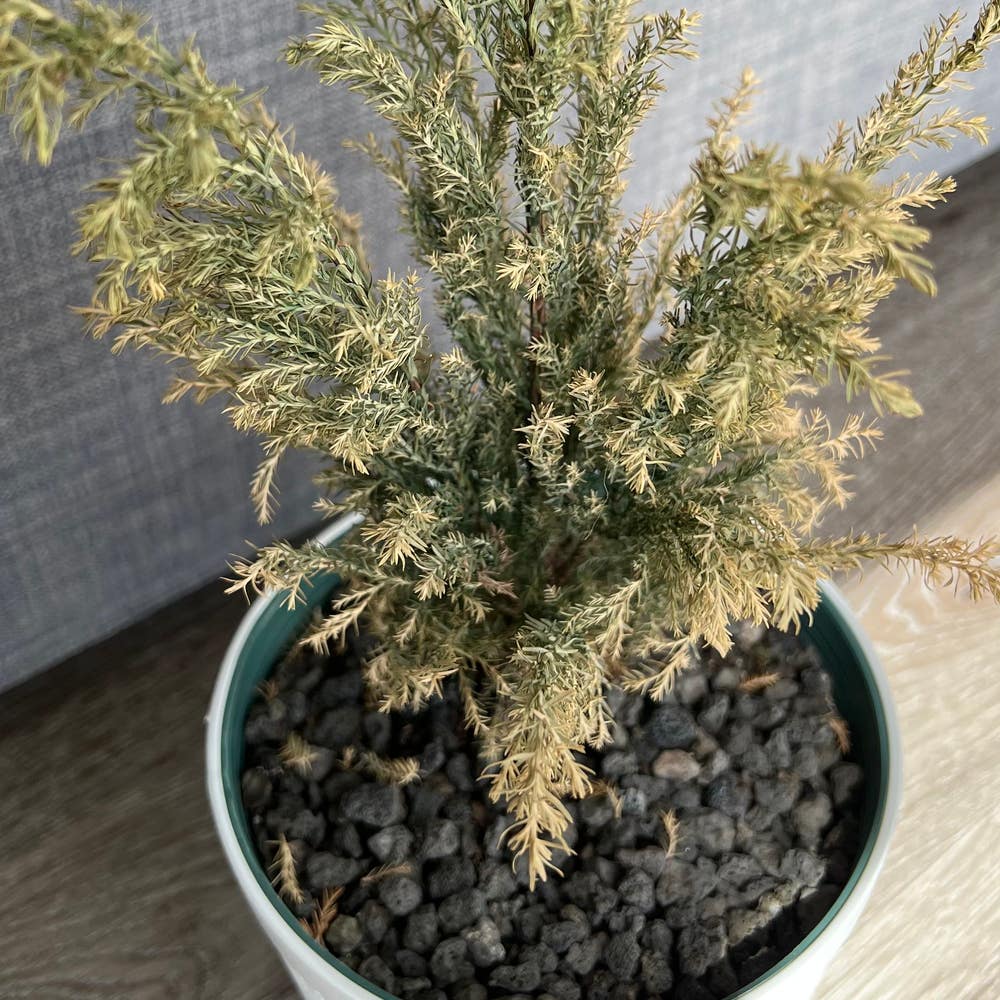
🌲 Mini European Cypress Tree Hardiness Zones: 5a-9b
Chamaecyparis lawsoniana 'Ellwoodii'
By the Greg Editorial Team
Oct 16, 2024•3 min read
This article was created with the help of AI so we can cover more plants for you. May contain errors. See one? Report it here.
Unlock the secret to thriving Mini European Cypress 🌲 by mastering its hardiness zones and ideal growing conditions!
- 🌳 Mini European Cypress thrives in USDA zones 5a to 9b for optimal growth.
- ❄️🔥 Tolerates temperatures from -20°F to 100°F, but needs moisture in heat.
- 🌞 Full sun and well-drained soil are essential for healthy development.
Mini European Cypress Tree Hardiness
🌡️ Specific Temperature Ranges for Cold Tolerance
The Mini European Cypress can tolerate cold temperatures ranging from -20°F to -10°F, making it suitable for USDA hardiness zones 5a to 6b. However, prolonged frost can significantly impact its health, especially if the first and last frost dates are not favorable.
☀️ Specific Temperature Ranges for Heat Tolerance
On the warmer side, this tree thrives in temperatures up to 100°F, suitable for USDA zones 8a to 9b. During high-temperature periods, ensuring adequate moisture is crucial for maintaining its vitality.
🌍 Ideal Growing Regions in the US
Examples of States in Suitable Hardiness Zones
Several states fall within the ideal hardiness zones for the Mini European Cypress:
- Pennsylvania: Experiences a mix of cold winters and warm summers.
- Virginia: Offers a moderate climate with ample rainfall.
- North Carolina: Known for its mild winters and warm summers.
- California: Features diverse climates, particularly favorable coastal areas.
- Texas: Provides a range of environments, from humid to arid.
These states present climates that support the growth of the Mini European Cypress effectively.
Factors Contributing to Ideal Growing Conditions
For optimal growth, the Mini European Cypress prefers well-drained soils with a slightly acidic to neutral pH. It thrives in full sun exposure and moderate humidity levels, which are essential for its development.
Once established, this tree exhibits drought resistance, making it a resilient choice for various landscapes.
🌦️ Microclimates and Their Impact
How Microclimates Can Extend Growing Range
Microclimates can significantly enhance the growing conditions for the Mini European Cypress, even outside its typical hardiness zones. Factors such as elevation, proximity to water bodies, and urban heat islands can create favorable environments.
Examples of Microclimates that Benefit Mini European Cypress Tree
Specific microclimates that support the growth of this tree include:
- Coastal Areas: These regions benefit from moderated temperatures.
- Urban Gardens: Heat retention in cities can create a nurturing environment.
- Valleys: They often provide protection from harsh winds, promoting healthier growth.
📊 State-Level Suitability Analysis
List of US States Within Hardiness Zones 5a-9b
Here’s a comprehensive list of states suitable for growing the Mini European Cypress:
- Zone 5a: Massachusetts, New York
- Zone 6a: Maryland, Delaware
- Zone 7b: Georgia, Alabama
- Zone 8b: Florida, Louisiana
- Zone 9b: Southern California, Texas
These states provide the right conditions for the tree to flourish.
List of US States Outside Suitable Hardiness Zones
Conversely, certain states fall outside the suitable hardiness zones:
- Zone 4 and Below: North Dakota, Minnesota
- Zone 10 and Above: Arizona, Hawaii
Reasons for Unsuitability in Certain States
Extreme temperatures can hinder the growth of the Mini European Cypress. States with harsh winters may exceed its cold tolerance limits, while those with excessive heat and humidity can stress the plant.
Prolonged frost can also damage the tree, making it unsuitable for regions with severe winter conditions.
This understanding of hardiness zones and microclimates is essential for successfully cultivating the Mini European Cypress. Next, we will explore how to maximize its growth potential in various environments.
⚠️ Safety First
This content is for general information and may contain errors, omissions, or outdated details. It is not medical, veterinary advice, or an endorsement of therapeutic claims.
Always consult a qualified healthcare professional before using any plant as food, medicine, or supplement.
Never eat any plant (or feed one to pets) without confirming its identity with at least two trusted sources.
If you suspect poisoning, call Poison Control (800) 222-1222, the Pet Poison Helpline (800) 213-6680, or your local emergency service immediately.
Spotted an error? Please report it here.
Grow your Mini European Cypress thrivingly 🌳 by using Greg's tailored watering reminders and sunlight tips to maximize its potential in your garden!