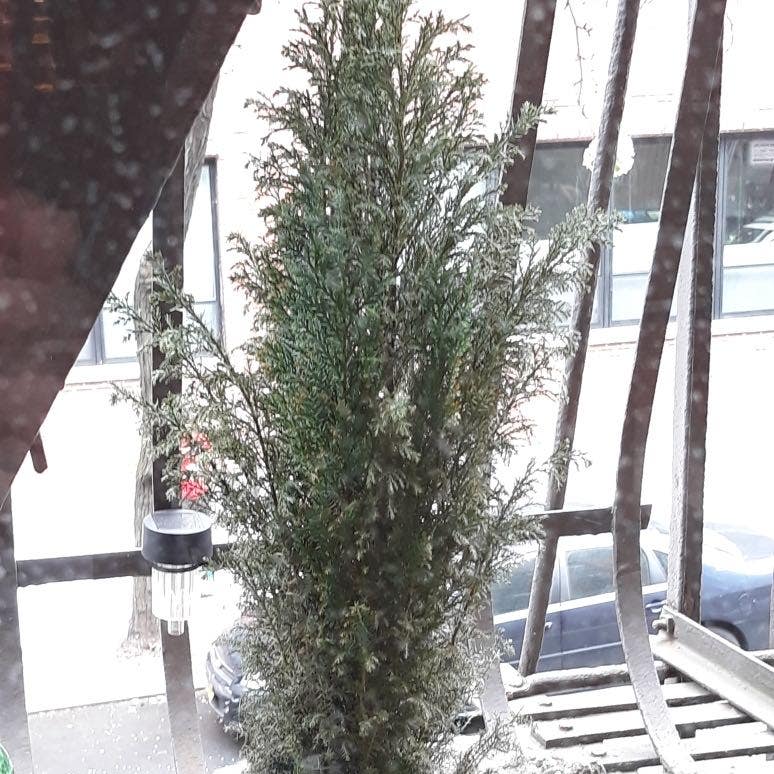
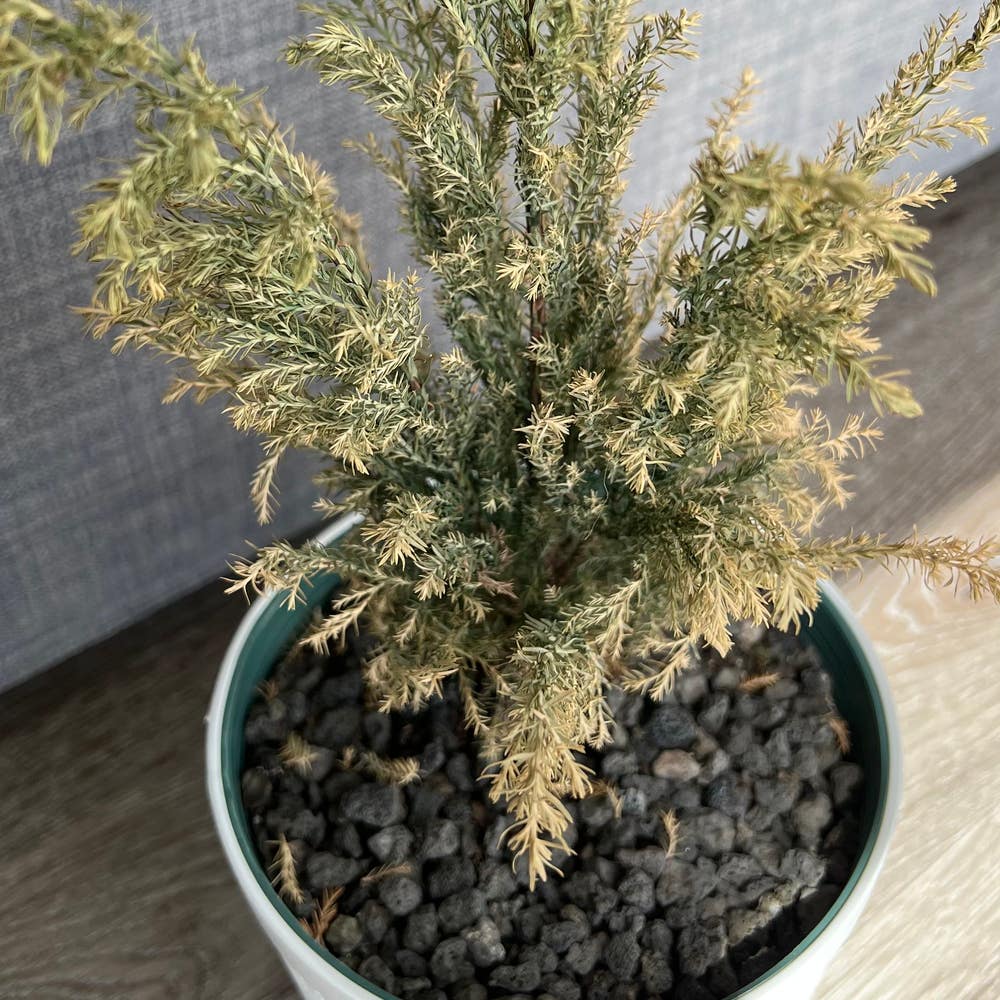
What Is The Best Way To Water a Lawson Cypress?
Chamaecyparis lawsoniana 'Ellwoodii'
By the Greg Editorial Team
Jun 18, 2024•3 min read
This article was created with the help of AI so we can cover more plants for you. May contain errors. See one? Report it here.
Nurture a majestic Lawson Cypress to perfection with this tailored, season-wise watering blueprint. 🌲🚿
- Check soil moisture before watering; adjust for weather and tree age.
- Deep watering and mulching benefit root growth and moisture retention.
- Seasonal adjustments necessary; watch for overwatering and under-watering signs.
When to Water Your Lawson Cypress
🌱 Feeling the Soil
Before you water, feel the soil. It's the plant world's equivalent of checking for a fever. If the top 2-3 inches are dry, your Lawson Cypress is thirsty. Use your finger, a chopstick, or a moisture meter to avoid dirtying your hands.
🌦 Watching the Weather
Adjust watering based on rainfall and temperature. If Mother Nature's been generous, skip the watering can. During heat waves, your Cypress might need a bit more TLC.
🌿 The Growth Stage Matters
Watering is not one-size-fits-all. Newly planted Lawson Cypresses need consistent moisture to establish roots. Once established, they're like teenagers – a bit more drought-tolerant and independent.

How Much Water Does Your Lawson Cypress Crave?
💦 The Deep Watering Method
Deep watering encourages the roots of your Lawson Cypress to grow downwards, creating a stable and robust foundation. This method involves saturating the soil to the same depth as the root ball, promoting a resilient tree that's better equipped to handle dry spells.
💧 Quantity Quandaries
Determining the right amount of water for your Lawson Cypress can feel like a high-stakes guessing game. But fear not! A general rule of thumb is to provide about 10 gallons of water for each inch of the tree's trunk diameter at chest height. Adjust based on soil type and weather conditions—clay soil holds water longer, sandy soil, not so much.
🌱 Mulching Magic
Mulch isn't just a pretty face; it's a moisture-retaining lifesaver for your tree. Apply a 2 to 4-inch layer of organic mulch around the base of your Lawson Cypress, careful to leave some breathing room around the trunk. This mulch layer helps keep the soil moist and cool, reducing the need for frequent watering and giving your tree a fighting chance against the heat.

Spotting Trouble: Overwatering vs. Underwatering
💧 Telltale Signs of Too Much Love
Soggy soil and limp leaves are classic signs your Lawson Cypress is getting more hydration than it can handle. If you notice brown spots ringed with yellow on the foliage, it's time to cut back on the waterworks. A persistent musty odor emanating from the soil is another red flag signaling overwatering.
🏜️ When Your Tree is Thirsty
Conversely, if the soil feels like a desert and the leaves resemble crispy critters, your tree is sending an SOS for moisture. Stunted growth and leaves that are more brittle than a stale cracker indicate an urgent need for a watering schedule revamp. Remember, before you grab the hose, always check the soil moisture to avoid swinging from one extreme to the other.

Adapting Watering Routines Through the Seasons
🌞 Summer Soakings
In the summer, your Lawson Cypress becomes a bit of a diva, demanding more water to support its growth spurts. Crank up the hydration, but don't get water-happy; too much can lead to a soggy disaster.
❄️ Winter Water Wisdom
Come winter, the tree is basically hibernating. It's time to chill on the watering. Let the soil dry out more, and only water when the tree's personal desert mimics its natural, drier habitat.
Transition Times
Spring and fall are the moody seasons. They're all about the tweaks. In spring, as your tree shakes off the cold, increase watering to wake up those roots. In fall, it's the opposite. Ease up as your tree prepares to snooze through the winter.
⚠️ Safety First
This content is for general information and may contain errors, omissions, or outdated details. It is not medical, veterinary advice, or an endorsement of therapeutic claims.
Always consult a qualified healthcare professional before using any plant as food, medicine, or supplement.
Never eat any plant (or feed one to pets) without confirming its identity with at least two trusted sources.
If you suspect poisoning, call Poison Control (800) 222-1222, the Pet Poison Helpline (800) 213-6680, or your local emergency service immediately.
Spotted an error? Please report it here.
Watch your Lawson Cypress flourish by following Greg's 🚿 personalized watering reminders, ensuring your tree gets just the right amount of water, no matter the season.