Identifying What is Eating Your Mini European Cypress Tree 🐞
Chamaecyparis lawsoniana 'Ellwoodii'
By the Greg Editorial Team
Oct 16, 2024•6 min read
This article was created with the help of AI so we can cover more plants for you. May contain errors. See one? Report it here.
Safeguard your Mini European Cypress Tree 🌲 from herbivores while boosting your garden's beauty and biodiversity!
- 🌲 Mini European Cypress is attractive but vulnerable to herbivores like deer and rabbits.
- 🐾 Signs of damage include hoof prints, chew marks, and stripped foliage.
- 🚫 Effective deterrents include fencing, repellents, and promoting beneficial wildlife.
Description and Appeal
🌲 Appearance and Characteristics
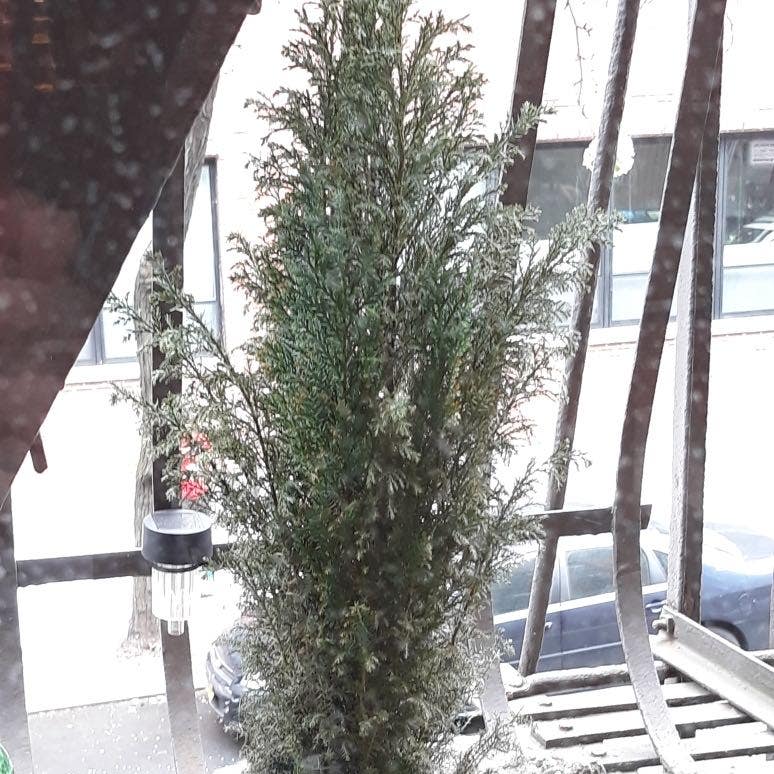
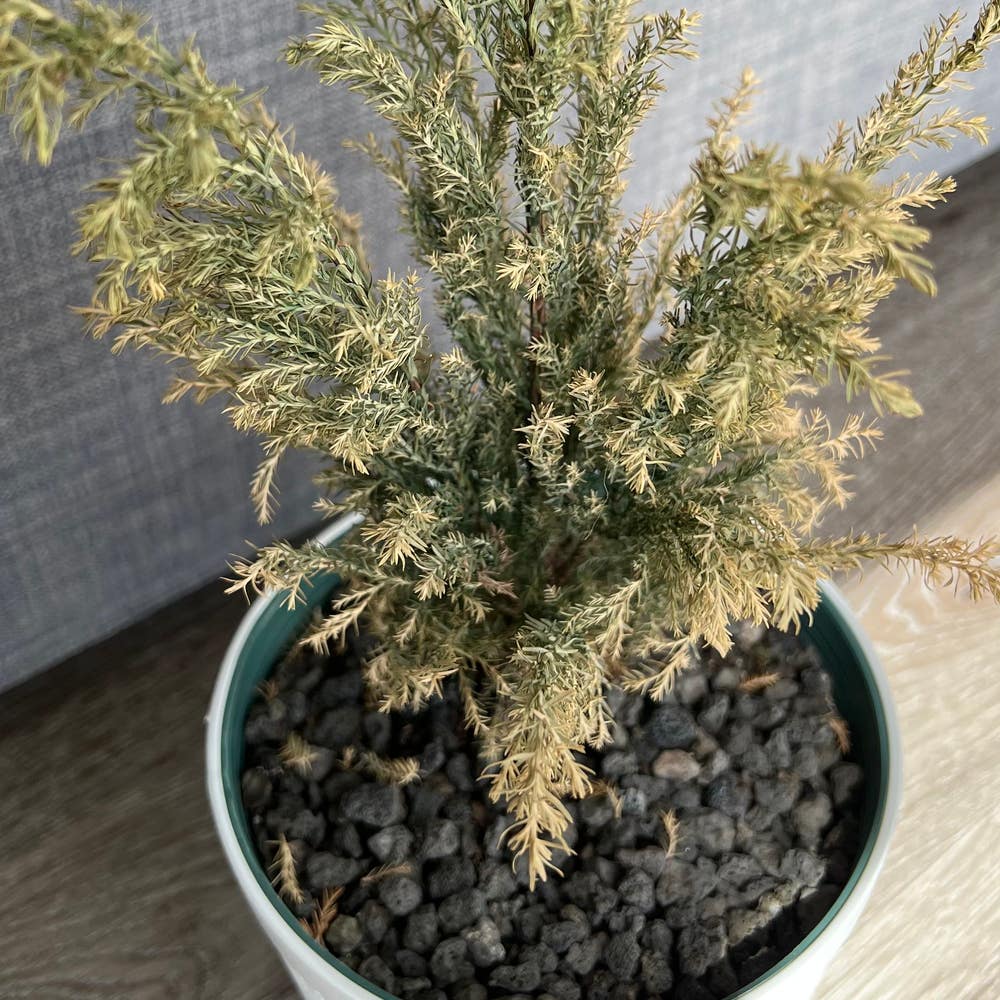
The Mini European Cypress Tree is a stunning addition to any landscape, showcasing a conical shape that draws the eye upward. Its scale-like leaves create a lush, green canopy that adds texture and depth to gardens.
✨ Aesthetic Appeal
This tree's attractive foliage not only enhances visual appeal but also serves as a focal point in landscaping designs. Its compact size makes it perfect for smaller gardens, providing elegance without overwhelming the space.
🐾 Most Appealing Parts to Animals
Young Shoots
Young shoots are particularly enticing to herbivores, offering a tender and nutritious snack. Their soft texture makes them irresistible to various animals looking for a quick meal.
Foliage
The foliage of the Mini European Cypress is not just beautiful; it also holds moisture, making it a refreshing treat for hungry critters. This combination of softness and hydration attracts a range of herbivores.
Fruits
Seasonally, the tree produces fruits that serve as a delightful attraction for various herbivores. These fruits can draw in animals, making the tree a hotspot for wildlife activity.
The Mini European Cypress Tree is not just a pretty face; it plays a significant role in the ecosystem. Understanding its appeal to animals can help you protect it effectively. Next, we’ll explore the common herbivores that might be munching on your tree and the signs of their presence.
Common Herbivores and Their Impact
🦌 Deer
Signs of presence and damage
Look for hoof prints in muddy areas, which indicate deer activity. You might also notice leaves stripped from the lower branches, a clear sign of their browsing habits.
Beneficial vs. harmful interactions
Deer are generally harmful to Mini European Cypress trees. They can decimate young trees and significantly hinder their growth.
Deterrent methods
To keep deer at bay, consider using commercial deer repellents. Organic options like garlic spray and motion-activated sprinklers can also be effective.
🐇 Rabbits
Signs of presence and damage
Rabbits leave behind clean cuts at a 45-degree angle on chewed stems and leaves. You may also find small, round pellets near the base of the tree.
Beneficial vs. harmful interactions
Like deer, rabbits are generally harmful. Their feeding can stunt growth and lead to significant plant damage.
Deterrent methods
Installing fencing that is 2-3 feet high with buried edges can prevent rabbits from burrowing. For a more organic approach, try cayenne pepper spray.
🐿️ Squirrels
Signs of presence and damage
Squirrels gnaw on bark and branches, exposing the wood beneath. You might also spot visible nests in nearby trees, indicating their presence.
Beneficial vs. harmful interactions
Squirrels are generally harmful, as their activities can weaken the tree structure and lead to disease.
Deterrent methods
Bitter-tasting sprays can deter squirrels effectively. Additionally, planting squirrel-repelling herbs can serve as an organic pest control method.
🐦 Birds
Signs of presence and damage
Look for small holes and pecking marks on branches, which indicate bird activity. Nesting in the foliage is another sign that birds are present.
Beneficial vs. harmful interactions
Birds have mixed interactions with the Mini European Cypress. While some may help control pests, others can cause damage.
Deterrent methods
Using netting to cover the tree can prevent bird access. Scare tactics like reflective tape or owl decoys can also be effective.
🐭 Rodents (mice, voles, etc.)
Signs of presence and damage
Rodents leave visible chew marks on gnawed roots and lower stems. You may also find small burrows near the base of the tree.
Beneficial vs. harmful interactions
Rodents are generally harmful and can lead to significant plant damage.
Deterrent methods
Traps, such as snap traps or live traps, can help remove rodents. For an organic approach, consider planting mint or using essential oils as deterrents.
Understanding these common herbivores and their impacts is crucial for protecting your Mini European Cypress tree. By implementing effective deterrent methods, you can maintain the health and beauty of your landscape. Next, let’s explore the beneficial animals that can enhance your garden ecosystem.
Beneficial Animals and Ecosystem Role
🐝 Pollinators: Nature's Helpers
The Mini European Cypress Tree attracts a variety of pollinators, including bees and butterflies. Their presence not only enhances the tree's health but also supports the surrounding garden ecosystem.
🐦 Birds: Natural Pest Controllers
Certain bird species are drawn to the tree, playing a crucial role in controlling insect populations. This natural balance helps maintain a healthy environment for your plants.
🌱 Enhancing Biodiversity
By attracting beneficial animals, the Mini European Cypress Tree contributes to biodiversity. A diverse ecosystem promotes healthy plant growth and resilience against pests.
🦋 Habitat for Wildlife
The tree provides essential habitat for beneficial insects and wildlife. This creates a thriving environment that supports various species, enriching your garden's ecosystem.
Incorporating these beneficial animals into your garden strategy can lead to a more vibrant and resilient landscape. As you nurture your Mini European Cypress Tree, consider how these interactions can enhance your gardening experience.
General Strategies for Protection
🛡️ Preventive Measures for Protecting Mini European Cypress Tree
Regular inspections are crucial for early detection of herbivore activity. By checking your tree frequently, you can spot signs of damage before it escalates.
Healthy soil and proper watering practices also play a vital role. Strong, well-nourished trees are more resilient against pests and diseases.
⚠️ Reactive Solutions for Managing Animal Interactions
If you notice pests, immediate removal is essential. Trapping and applying deterrents can help mitigate damage quickly.
Monitoring the effectiveness of your strategies is equally important. Adjust your methods based on what works best for your specific situation.
🌱 Balancing Ecosystem Health While Protecting Plants
Encouraging beneficial species can create a healthier garden ecosystem. While managing harmful ones, you can promote biodiversity and enhance plant growth.
By fostering a balanced environment, you not only protect your Mini European Cypress Tree but also contribute positively to the local ecosystem.
As you implement these strategies, you'll be better equipped to enjoy the beauty of your tree while keeping it safe from unwanted visitors.
Seasonal Considerations
🌱 Seasonal Variations in Animal Attraction
Understanding the seasonal behavior of herbivores is crucial for protecting your Mini European Cypress Tree. In spring, these animals ramp up their activity, drawn to the tender, nutritious shoots that emerge as the weather warms.
As fall approaches, animals prepare for winter, leading to more aggressive foraging. They seek out the moisture-rich foliage and any available fruits, increasing the risk of damage to your tree.
⏰ Timing of Preventive Measures
To safeguard your tree, timing is everything. Early spring is the ideal moment to implement protective measures before new growth begins. This proactive approach can help deter hungry herbivores before they make their move.
As summer winds down, keep a close eye on your tree. Late summer is when animal activity often spikes, so monitoring becomes essential. Adjust your strategies as needed to ensure your Mini European Cypress remains healthy and thriving.
By staying ahead of seasonal changes, you can effectively protect your tree while enjoying its beauty throughout the year. This awareness sets the stage for the next section, where we’ll explore general strategies for protection against herbivores.
⚠️ Safety First
This content is for general information and may contain errors, omissions, or outdated details. It is not medical, veterinary advice, or an endorsement of therapeutic claims.
Always consult a qualified healthcare professional before using any plant as food, medicine, or supplement.
Never eat any plant (or feed one to pets) without confirming its identity with at least two trusted sources.
If you suspect poisoning, call Poison Control (800) 222-1222, the Pet Poison Helpline (800) 213-6680, or your local emergency service immediately.
Spotted an error? Please report it here.
Keep your Mini European Cypress Tree thriving 🌱 by using Greg's personalized care reminders and effective pest deterrent strategies to protect it from herbivores!