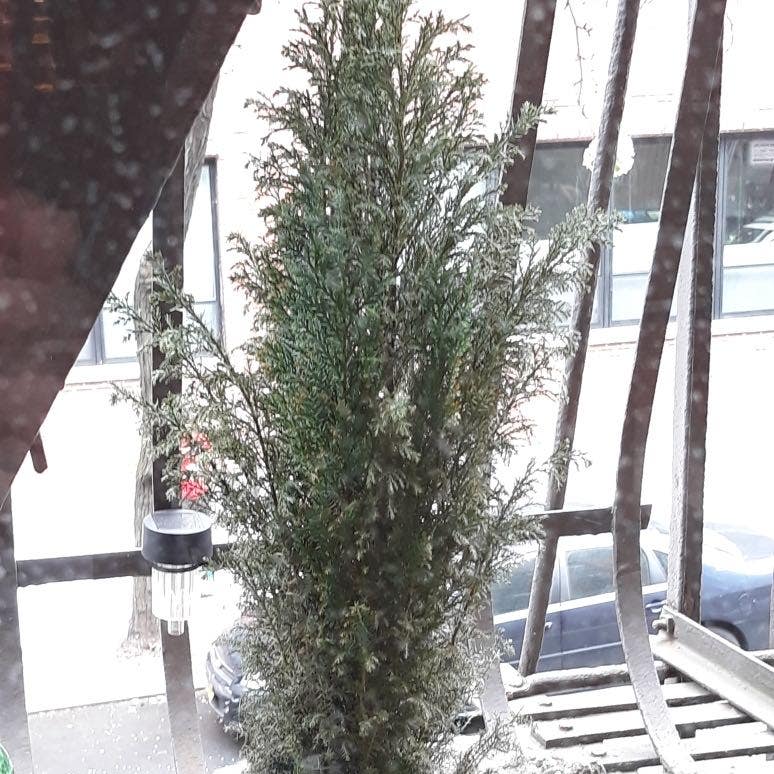
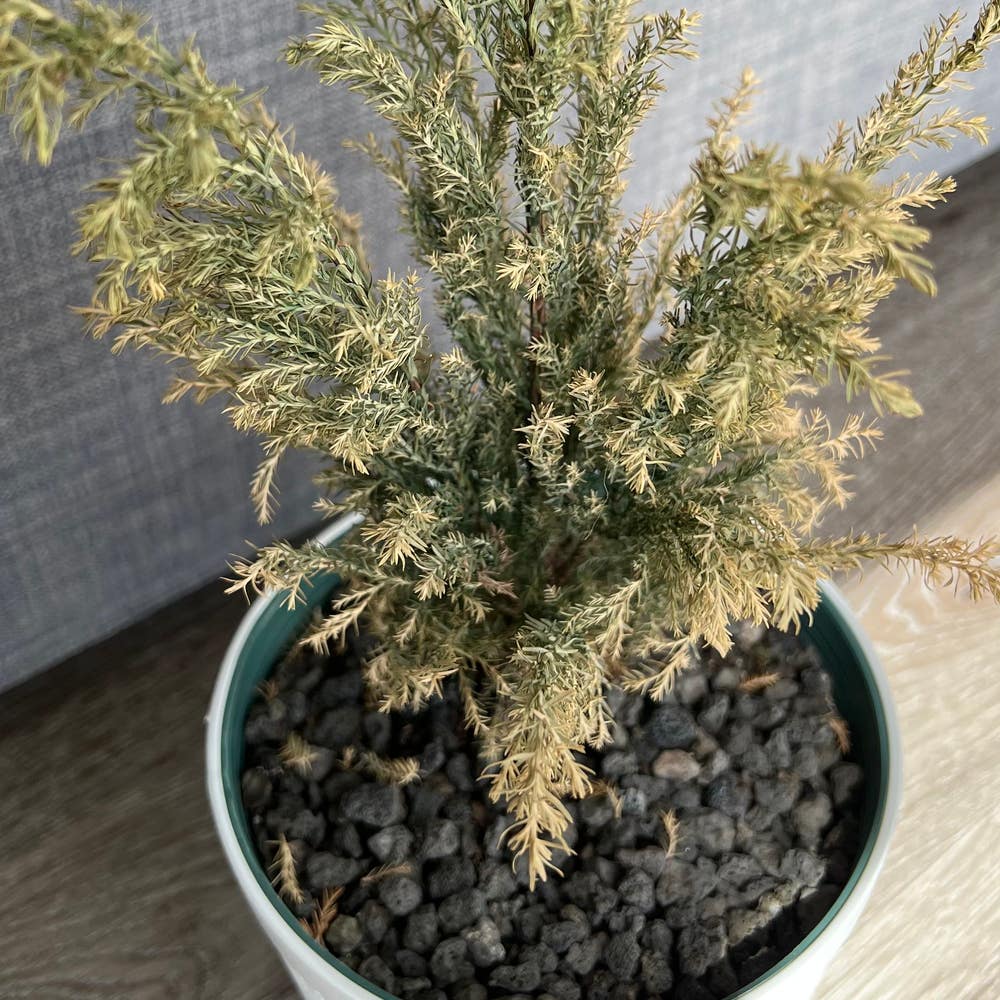
🌳 Why Your Mini European Cypress Tree Leaves Are Falling Over
Chamaecyparis lawsoniana 'Ellwoodii'
By the Greg Editorial Team
Oct 16, 2024•6 min read
This article was created with the help of AI so we can cover more plants for you. May contain errors. See one? Report it here.
Keep your Mini European Cypress thriving 🌲 by mastering simple care tips to prevent leaf drop!
- 💧 Overwatering and underwatering both cause leaf drop; balance is key for health.
- 🌱 Nutrient deficiencies like nitrogen lead to stunted growth and leaf issues; test soil regularly.
- 🌞 Proper light exposure and well-drained soil are essential for thriving Mini European Cypress.
Causes of Leaf Drop
💧 Overwatering and Its Effects
Overwatering is a common issue that can lead to significant stress for your Mini European Cypress. Symptoms include yellowing leaves that may eventually brown, soft and mushy roots, and soil that remains wet for extended periods.
The impact of overwatering can be severe, often resulting in root rot. This condition stresses the tree, leading to further leaf drop. Proper drainage is crucial; well-drained soils are essential for maintaining the health of your Cypress.
🚰 Underwatering and Its Symptoms
On the flip side, underwatering can also cause distress. Signs include brown, crispy leaf tips, premature leaf drop, and soil pulling away from the edges of the pot.
Insufficient water leads to stress, which can stunt growth and reduce the overall vigor of your tree. It's vital to strike a balance in your watering practices.
🌱 Soil Quality and Drainage Issues
Soil quality plays a pivotal role in the health of your Cypress. Ideal conditions include well-drained, fertile soil with a pH range of 6.0 to 7.0.
Common drainage problems arise from compacted soil, which leads to poor aeration, or heavy clay soils that retain too much moisture. To improve drainage, consider adding organic matter or perlite to your soil mix.
🥦 Nutrient Deficiencies and Their Impact
Nutrient deficiencies can also contribute to leaf drop. Common issues include nitrogen deficiency, which causes yellowing leaves and stunted growth, and iron deficiency, characterized by interveinal chlorosis.
Balanced fertilization is key. Regular soil testing helps monitor nutrient levels, and using slow-release, balanced NPK formulas can effectively address these deficiencies.
🐜 Pest Infestations and Their Signs
Pest infestations are another culprit behind leaf drop. Common pests affecting Mini European Cypress include spider mites, which leave fine webbing and stippled leaves, and aphids, which create a sticky residue and cause distorted growth.
Identifying pest damage early is crucial. Leaf drop can be a stress response, so regular inspections are essential for early detection and management.
Understanding these causes will help you take proactive steps to maintain the health of your Mini European Cypress. Next, we’ll explore how to diagnose leaf drop issues effectively.
Diagnosing Leaf Drop Issues
Identifying Symptoms of Stress 🌿
Observing your Mini European Cypress for leaf color changes is crucial. Yellowing leaves often indicate overwatering, while browning suggests underwatering.
Noting the pattern of leaf drop can also provide insights. A sudden drop may signal a severe issue, whereas a gradual drop could indicate a more chronic problem.
Assessing Environmental Conditions ☀️
Evaluating light exposure is essential for your tree's health. Mini European Cypress thrives in full sun to partial shade, so ensure it’s getting the right amount of light.
Monitoring temperature and humidity levels is equally important. Ideal conditions help maintain the tree's vigor and prevent stress.
Checking for Pests and Diseases 🐛
Conducting regular inspections can help catch pests early. Look for signs of infestations, such as webbing or sticky residue.
Using sticky traps can also aid in monitoring pest populations. These traps provide a visual indication of any pest issues that may arise.
Evaluating Watering Practices 💧
Reviewing your watering frequency is vital. Adjust your schedule based on seasonal changes to meet your tree's needs.
Checking soil moisture levels can prevent both overwatering and underwatering. A moisture meter can provide accurate readings to guide your watering routine.
Analyzing Soil Composition 🧪
Testing soil drainage is a key step in diagnosing leaf drop. Perform a drainage test to see how quickly water is absorbed.
Assessing soil pH and nutrient levels is equally important. Utilizing soil testing kits can help you understand what your tree needs for optimal growth.
By carefully diagnosing these issues, you can take proactive steps to restore your Mini European Cypress's health. Next, let’s explore effective treatment options to address these concerns.
Treatment Options
🌧️ Remedies for Overwatering
Overwatering is a common issue for Mini European Cypress trees. To remedy this, adjust your watering practices by allowing the soil to dry out between waterings.
If the problem persists, consider repotting your tree. Use fresh, well-draining soil to promote healthy root growth and prevent further issues.
💧 Solutions for Underwatering
Underwatering can also lead to leaf drop. To address this, increase your watering frequency gradually to rehydrate the plant effectively.
Implementing a moisture retention strategy, such as mulching, can help maintain soil moisture levels. This will create a more stable environment for your tree.
🥦 Addressing Nutrient Deficiencies
Nutrient deficiencies can significantly impact your tree's health. Apply appropriate fertilizers that target specific deficiencies based on observed symptoms.
For quicker results, consider using foliar sprays. Liquid fertilizers can provide immediate nutrient uptake, giving your tree a much-needed boost.
🐛 Pest Control Methods
Pest infestations can wreak havoc on your Mini European Cypress. Start with organic pest control options like neem oil or insecticidal soap, which are effective against soft-bodied insects.
If the infestation is severe, you may need to resort to chemical treatments. Systemic insecticides should be a last resort, used only when absolutely necessary.
🍄 Treating Fungal Infections
Fungal infections can also cause leaf drop. Begin by identifying the type of fungal infection affecting your tree and use appropriate fungicides based on your diagnosis.
Improving air circulation around the plant is crucial. Pruning dense foliage can help reduce humidity, creating a less favorable environment for fungal growth.
These treatment options will help you restore your Mini European Cypress to its full glory. Next, let’s explore long-term care strategies to keep your tree thriving.
Long-term Care Strategies
Best Practices for Maintenance 🌿
Regular pruning is essential for maintaining the shape and health of your Mini European Cypress. Focus on removing dead or diseased branches to promote better airflow and overall vitality.
Monitoring for signs of stress is equally crucial. Keeping a care journal can help you track changes and identify potential issues before they escalate.
Seasonal Care Tips 🌸
Adjusting your watering and fertilization practices according to the seasons can significantly benefit your tree. Tailor your care to align with the plant's growth cycle for optimal health.
As winter approaches, prepare your Cypress for dormancy. This includes reducing watering and taking measures to protect it from frost.
Monitoring Plant Health Regularly 👀
Keep a close eye on your tree's leaf color and texture. Noting any changes promptly can help you catch problems early.
Utilizing technology can enhance your care routine. Consider using plant care apps for AI-powered reminders to keep your Cypress thriving.
By implementing these long-term care strategies, you can ensure your Mini European Cypress remains healthy and vibrant throughout the seasons. Next, let’s dive into diagnosing leaf drop issues to further enhance your plant care knowledge.
⚠️ Safety First
This content is for general information and may contain errors, omissions, or outdated details. It is not medical, veterinary advice, or an endorsement of therapeutic claims.
Always consult a qualified healthcare professional before using any plant as food, medicine, or supplement.
Never eat any plant (or feed one to pets) without confirming its identity with at least two trusted sources.
If you suspect poisoning, call Poison Control (800) 222-1222, the Pet Poison Helpline (800) 213-6680, or your local emergency service immediately.
Spotted an error? Please report it here.
Keep your Mini European Cypress thriving 🌱 by using Greg's tailored care reminders and moisture monitoring to master the art of balanced watering and nutrient management!