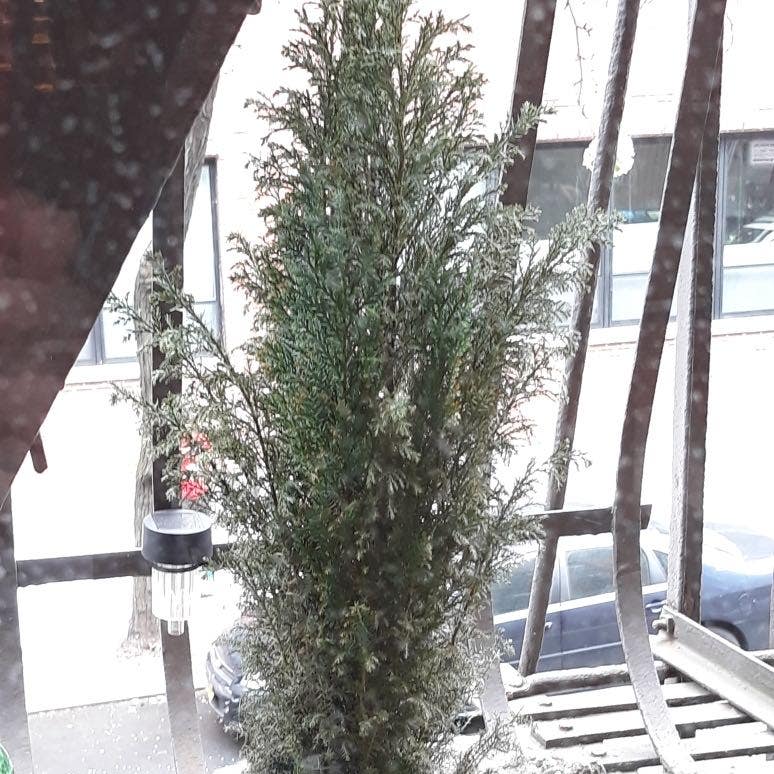
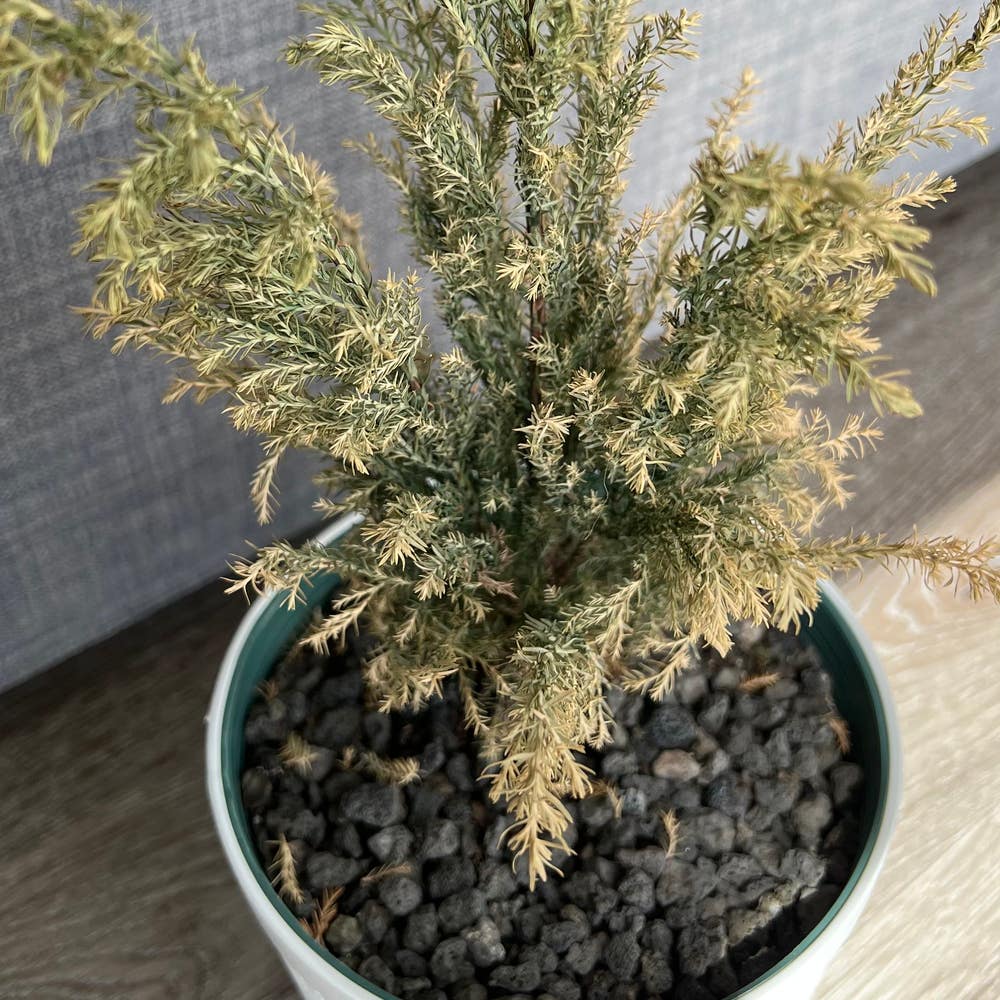
🌲 How to Cure Black Spots on Your Mini European Cypress Tree
Chamaecyparis lawsoniana 'Ellwoodii'
By the Greg Editorial Team
Oct 16, 2024•5 min read
This article was created with the help of AI so we can cover more plants for you. May contain errors. See one? Report it here.
Revive your Mini European Cypress tree from black spots with expert diagnosis and treatment tips! 🌱✨
- 🌱 Black spots are caused by fungal and bacterial infections; identify them early.
- 💧 Overwatering and drought stress contribute to black spots; maintain consistent soil moisture.
- ✂️ Prune affected areas and use organic fungicides for effective treatment and prevention.
Causes of Black Spots
🦠 Fungal Infections
Fungal infections are often the main culprits behind black spots on your Mini European Cypress tree. Common pathogens like Phytophthora can cause noticeable symptoms such as black spots, leaf drop, and wilting, especially in conditions of high humidity and poor air circulation.
🦠 Bacterial Infections
Bacterial infections can also lead to black spots, typically appearing with a water-soaked look. The bacteria Pseudomonas spp. are frequent offenders, and if left untreated, these infections can cause rapid decline in your tree's health.
🌪️ Environmental Stress
Environmental stress plays a significant role in the development of black spots. Overwatering can lead to root rot, while drought conditions may cause leaf curling and stress-related black spots. Maintaining consistent soil moisture is crucial for your tree's well-being.
🥦 Nutrient Deficiencies
Nutrient deficiencies, particularly in nitrogen and potassium, can manifest as yellowing leaves and stunted growth. These deficiencies weaken leaf health, making your tree more susceptible to diseases and infections.
🐜 Pest Infestations
Pest infestations are another factor to consider. Common pests like spider mites and aphids can create signs such as webbing, leaf curling, and discoloration. These pests weaken the plant, increasing its vulnerability to infections, including those that cause black spots.
Understanding these causes is essential for effective treatment and prevention. Next, we’ll explore how to diagnose the specific issues affecting your tree.
Diagnosis
Identifying Black Spots vs. Other Leaf Issues 🌑
Black spots on your Mini European Cypress Tree can be tricky to identify. They typically appear as small, dark lesions that may vary in size and shape, often contrasting sharply with the green foliage.
To differentiate black spots from other leaf issues, look for yellowing leaves or browning edges. These symptoms can indicate different problems, such as nutrient deficiencies or environmental stress.
Assessing Leaf Texture and Color Changes 🖌️
Texture changes are another key indicator of plant health. If you notice wilting or crisping leaves, it could signal underlying issues that need attention.
Color changes are equally important. Darkening of leaf tips or edges often points to stress factors affecting your tree's overall health.
Checking for Accompanying Symptoms 🚨
Wilting leaves are a serious sign, indicating severe stress or infection. If your tree is wilting, it’s crucial to act quickly to prevent further decline.
Yellowing leaves may suggest nutrient deficiencies or overwatering. Monitoring these symptoms can help you pinpoint the exact cause of the black spots and take appropriate action.
With a clear understanding of these diagnostic signs, you can effectively address the issues affecting your Mini European Cypress Tree. Next, let’s explore various treatment options to restore its health.
Treatment Options
🌱 Organic Fungicides and Their Application
To combat black spots effectively, consider using organic fungicides like neem oil and sulfur-based products. Spray these on the affected areas, ensuring you cover all surfaces thoroughly.
Reapply every 7-14 days until you notice improvement. This consistent approach helps to control the spread of fungal infections.
⚗️ Chemical Treatments for Severe Infections
For more severe infections, systemic fungicides can be beneficial. Always follow the manufacturer's instructions for dosage and timing to ensure effective treatment.
Safety is paramount; wear protective gear during application to safeguard yourself from harmful chemicals.
✂️ Pruning Affected Leaves and Branches
Pruning is a crucial step in managing black spots. Aim to prune during dry weather to minimize the risk of spreading the infection.
Use clean, sharp pruning shears for the best results. After pruning, bag and discard the infected plant material to prevent reinfection.
💧 Adjusting Watering Practices
Watering practices play a significant role in plant health. Water deeply but infrequently to encourage strong root growth.
Ensure your pots or soil have adequate drainage to prevent waterlogging. Consider using a moisture meter to monitor soil moisture accurately, helping you maintain the right balance.
By implementing these treatment options, you can effectively manage and reduce black spots on your Mini European Cypress tree. Next, let's explore some essential prevention strategies to keep your tree healthy and thriving.
Prevention Strategies
Proper Watering Techniques 🌊
Water your Mini European Cypress Tree when the top inch of soil feels dry. This simple practice helps prevent overwatering, which can lead to root rot and other issues.
Ensure that your pots or soil have adequate drainage to avoid standing water around the roots. Good drainage is crucial for maintaining healthy plants.
Soil Health and Amendments 🌱
Opt for well-draining loamy soil for optimal growth. This type of soil provides the right balance of moisture retention and drainage.
Incorporate organic matter, like compost, to improve soil structure. Healthy soil supports robust root systems and overall plant vitality.
Regular Inspection for Pests and Diseases 🔍
Make it a habit to inspect your tree weekly during the growing season. Early detection of issues can save your plant from severe damage.
Look for signs like discoloration, webbing, or unusual growth patterns. These indicators can help you catch problems before they escalate.
Seasonal Care Tips ❄️
In winter, mulch around the base of your tree to retain moisture and protect the roots from freezing temperatures. This simple step can make a significant difference in your plant's health.
During the summer, provide shade during extreme heat. This reduces stress on the tree and helps maintain its vibrant appearance.
By implementing these prevention strategies, you can keep your Mini European Cypress Tree healthy and thriving. Next, let’s explore effective treatment options if you encounter any issues.
⚠️ Safety First
This content is for general information and may contain errors, omissions, or outdated details. It is not medical, veterinary advice, or an endorsement of therapeutic claims.
Always consult a qualified healthcare professional before using any plant as food, medicine, or supplement.
Never eat any plant (or feed one to pets) without confirming its identity with at least two trusted sources.
If you suspect poisoning, call Poison Control (800) 222-1222, the Pet Poison Helpline (800) 213-6680, or your local emergency service immediately.
Spotted an error? Please report it here.
Transform your Mini European Cypress tree's health and banish black spots 🌿 with Greg's tailored watering reminders and pest alerts for thriving greenery!