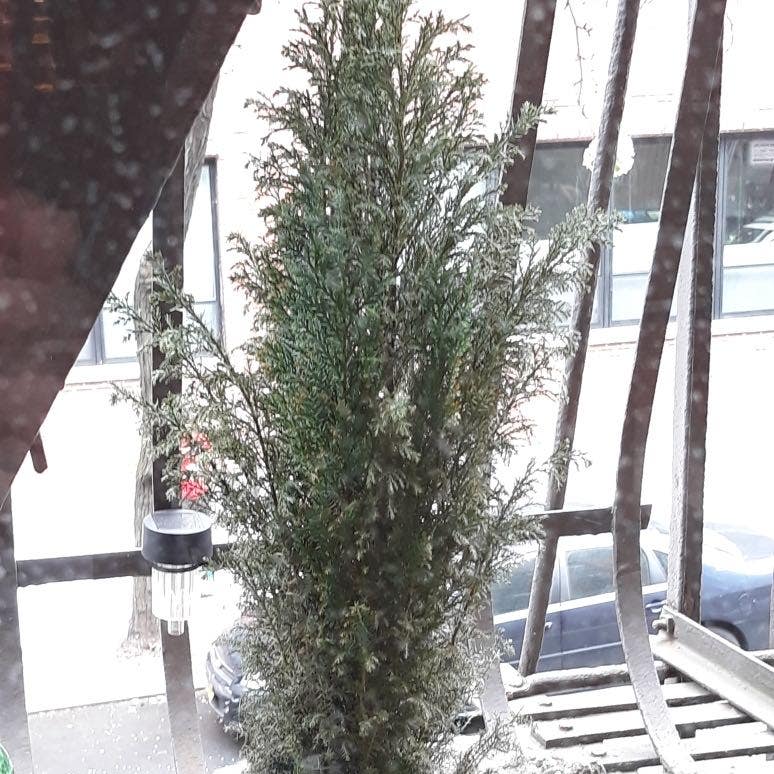
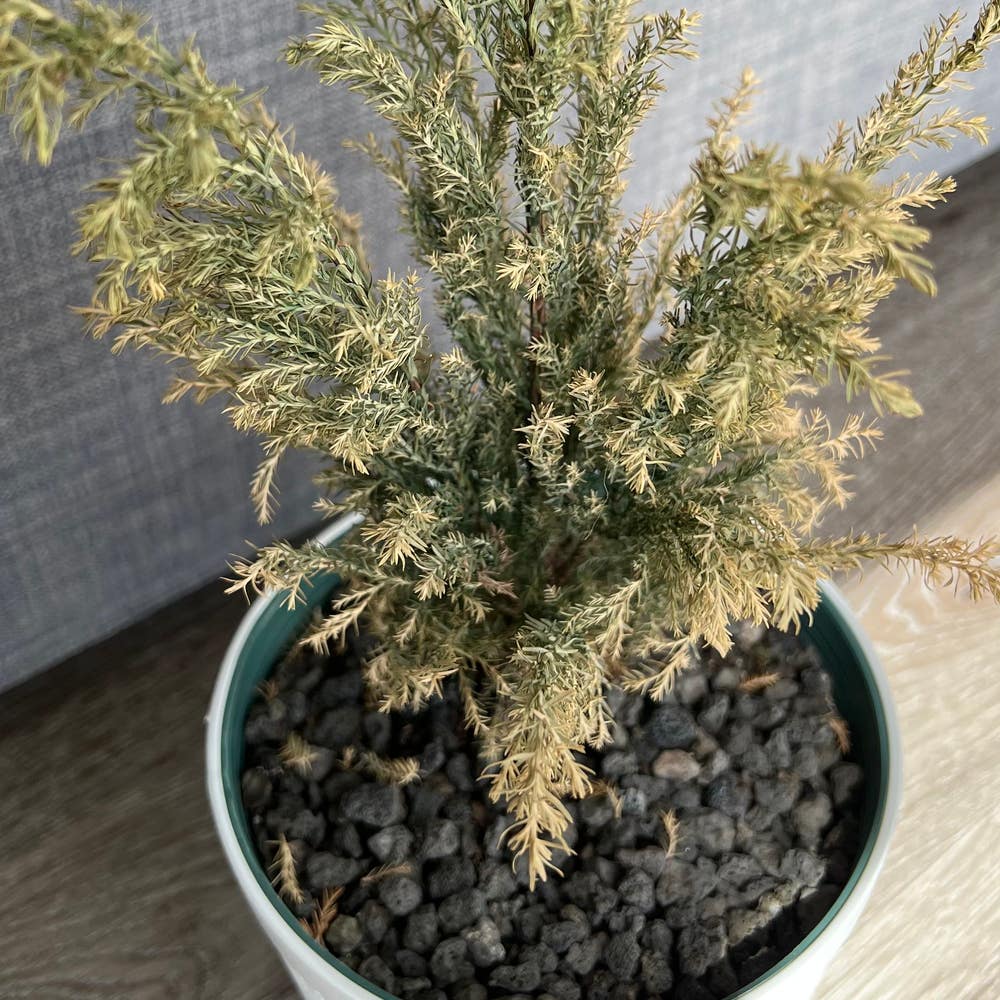
🌲 How to Fix Curling Leaves on Your Mini European Cypress Tree
Chamaecyparis lawsoniana 'Ellwoodii'
By the Greg Editorial Team
Oct 16, 2024•5 min read
This article was created with the help of AI so we can cover more plants for you. May contain errors. See one? Report it here.
Revive your Mini European Cypress tree 🌲 by quickly diagnosing and treating those curling leaves for vibrant health!
- 🌡️ Maintain temperatures between 15°C to 25°C to prevent leaf curling in Cypress trees.
- 💧 Low humidity and overwatering can cause curling; ensure proper moisture levels.
- 🐜 Check for pests like spider mites; treat infestations promptly to protect foliage.
Causes of Curling Leaves
🌡️ Environmental Stress Factors
Temperature extremes can wreak havoc on your Mini European Cypress tree. The ideal temperature range is between 15°C to 25°C (59°F to 77°F); anything outside this can lead to symptoms like leaf curling and browning tips.
Humidity also plays a crucial role. These trees prefer moderate humidity levels, and low humidity can dry out foliage, making them more susceptible to pests.
🐜 Pests Affecting Cypress Trees
Spider Mites
Spider mites are a common pest that can cause significant damage. Look for fine webbing and stippled leaves as signs of infestation, which can lead to curling and discoloration.
Aphids
Aphids are another threat, identifiable by sticky residue and distorted leaves. They weaken the plant, contributing to leaf curl and overall decline.
🥦 Nutrient Deficiencies
Nitrogen Deficiency
A lack of nitrogen manifests as yellowing leaves and stunted growth. This deficiency can lead to leaf curl due to insufficient essential nutrients.
Potassium Deficiency
Potassium deficiency shows up as browning leaf edges and curling. Potassium is vital for overall plant health and resilience, making it essential to address this issue promptly.
🍄 Fungal Infections and Diseases
Root Rot
Root rot is a serious concern, often indicated by wilting, yellowing leaves, and leaf curl. This condition typically arises from overwatering and poor drainage.
To prevent root rot, ensure your soil is well-drained and practice proper watering techniques. Keeping an eye on these factors can help maintain the health of your Cypress tree.
Understanding these causes is the first step in addressing the curling leaves on your Mini European Cypress tree. Next, we’ll explore how to diagnose these issues effectively.
Diagnosing Curling Leaves
🌿 Identifying Symptoms of Leaf Curl
Curling leaves can be a distressing sight on your Mini European Cypress tree. Look for visual signs such as curling, discoloration, and browning of leaves, which can indicate underlying issues.
Timing is crucial; observe these changes during different seasons. Seasonal variations can exacerbate stress factors, making it essential to stay vigilant.
🐛 Differentiating Between Pest Damage and Environmental Stress
Understanding the cause of leaf curl is vital for effective treatment. Pest damage often presents with clear indicators like the presence of pests, fine webbing, or sticky residue on leaves.
In contrast, environmental stress manifests through temperature fluctuations and humidity levels. Recognizing these differences can help you pinpoint the root cause of the problem.
🌱 Assessing Soil Conditions and Moisture Levels
Soil conditions play a significant role in leaf health. To test soil moisture, stick your finger 1-2 inches into the soil; it should feel slightly moist, not soggy.
Additionally, assess soil drainage. Signs of poor drainage include water pooling on the surface or symptoms of root rot, which can further stress your tree and lead to curling leaves.
By carefully diagnosing these factors, you can take the first steps toward restoring your Mini European Cypress tree to health. Next, let’s explore effective solutions for treating curling leaves.
Solutions for Curling Leaves
🐛 Step-by-Step Guide to Treating Pests
Identifying pests is your first step. Use a magnifying glass to inspect the leaves closely for any signs of trouble.
Next, apply insecticidal soap or neem oil. Be sure to follow the label instructions for the best results.
Finally, monitor for re-infestation. Check weekly to catch any returning pests early.
🌱 Recommended Fertilizers for Nutrient Deficiencies
For nitrogen deficiencies, opt for nitrogen-rich fertilizers. Apply these in early spring, adhering to the package instructions for optimal growth.
If potassium is lacking, consider potassium sulfate or kelp meal. Timing is crucial; apply these during active growth periods for maximum benefit.
🌧️ How to Improve Soil Drainage and Moisture Retention
Start by assessing your current soil composition. Look for compacted or clay-heavy soil that may hinder drainage.
Next, amend the soil. Adding organic matter like compost or peat moss can significantly improve drainage. Mixing in perlite or sand will enhance aeration.
If drainage issues persist, consider creating raised beds. Elevating the planting area can make a world of difference in moisture retention.
🍄 Fungal Treatment Options
🧪 Chemical Fungicides
When dealing with fungal infections, follow the manufacturer guidelines for dosage and frequency. Proper application is key to effective treatment.
🌿 Organic Solutions
For a more natural approach, try a baking soda solution or neem oil. Spray these on affected areas and repeat every 7-14 days for the best results.
With these solutions, you can effectively tackle curling leaves on your Mini European Cypress Tree. Next, let’s explore how to prevent leaf curl from occurring in the first place.
Preventing Leaf Curl
🌲 Best Practices for Cypress Tree Care
Maintaining a consistent watering schedule is crucial. Allow the soil to dry slightly between waterings to prevent root rot and promote healthy growth.
Mulching is another effective strategy. Using organic mulch helps retain moisture and regulates temperature, creating a more stable environment for your mini European cypress tree.
🌸 Seasonal Maintenance Tips
Spring is the perfect time to fertilize and inspect for pests. A proactive approach during this season sets the stage for healthy growth.
In summer, keep an eye on humidity and adjust your watering needs accordingly. This vigilance helps your tree thrive during the hotter months.
As fall approaches, prepare your tree for winter by reducing watering. This adjustment helps your cypress acclimate to the cooler temperatures ahead.
🌦️ Monitoring Environmental Conditions
Using a hygrometer can be a game-changer. Regularly measuring humidity levels allows you to make informed decisions about your tree's care.
Adjust your watering based on weather conditions. Increase watering during dry spells to ensure your cypress remains hydrated and healthy.
🔍 Regular Inspection for Pests and Diseases
Inspect your tree every 1-2 weeks during the growing season. Early detection of issues like curling leaves or discoloration can save your plant from further damage.
Look for signs of pests or diseases. Catching these problems early can make a significant difference in your tree's overall health and vitality.
By implementing these preventive measures, you can help your mini European cypress tree flourish and avoid the frustration of curling leaves. Next, let’s explore how to diagnose curling leaves effectively.
⚠️ Safety First
This content is for general information and may contain errors, omissions, or outdated details. It is not medical, veterinary advice, or an endorsement of therapeutic claims.
Always consult a qualified healthcare professional before using any plant as food, medicine, or supplement.
Never eat any plant (or feed one to pets) without confirming its identity with at least two trusted sources.
If you suspect poisoning, call Poison Control (800) 222-1222, the Pet Poison Helpline (800) 213-6680, or your local emergency service immediately.
Spotted an error? Please report it here.
Keep your Mini European Cypress tree curl-free 🌿 by using Greg for tailored care reminders that help you monitor humidity and soil moisture effectively!