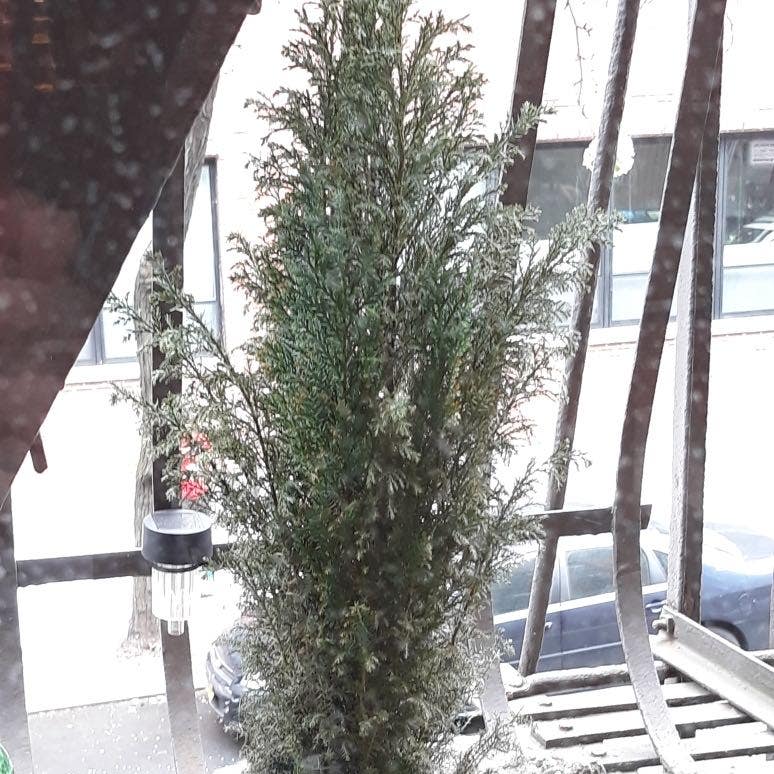
🌲 How to Cure Root Rot in Your Mini European Cypress Tree
Chamaecyparis lawsoniana 'Ellwoodii'
By the Greg Editorial Team
Oct 16, 2024•5 min read
This article was created with the help of AI so we can cover more plants for you. May contain errors. See one? Report it here.
Revive your Mini European Cypress from root rot with these vital diagnosis and treatment tips! 🌱✨
- 🌱 Early diagnosis is key; look for yellowing leaves and branch dieback.
- 🔍 Inspect roots regularly; healthy roots are white and firm, not dark and mushy.
- 🌿 Repot in well-draining soil and adjust watering to prevent future root rot.
Diagnosing Root Rot
👀 Visual Signs to Look For
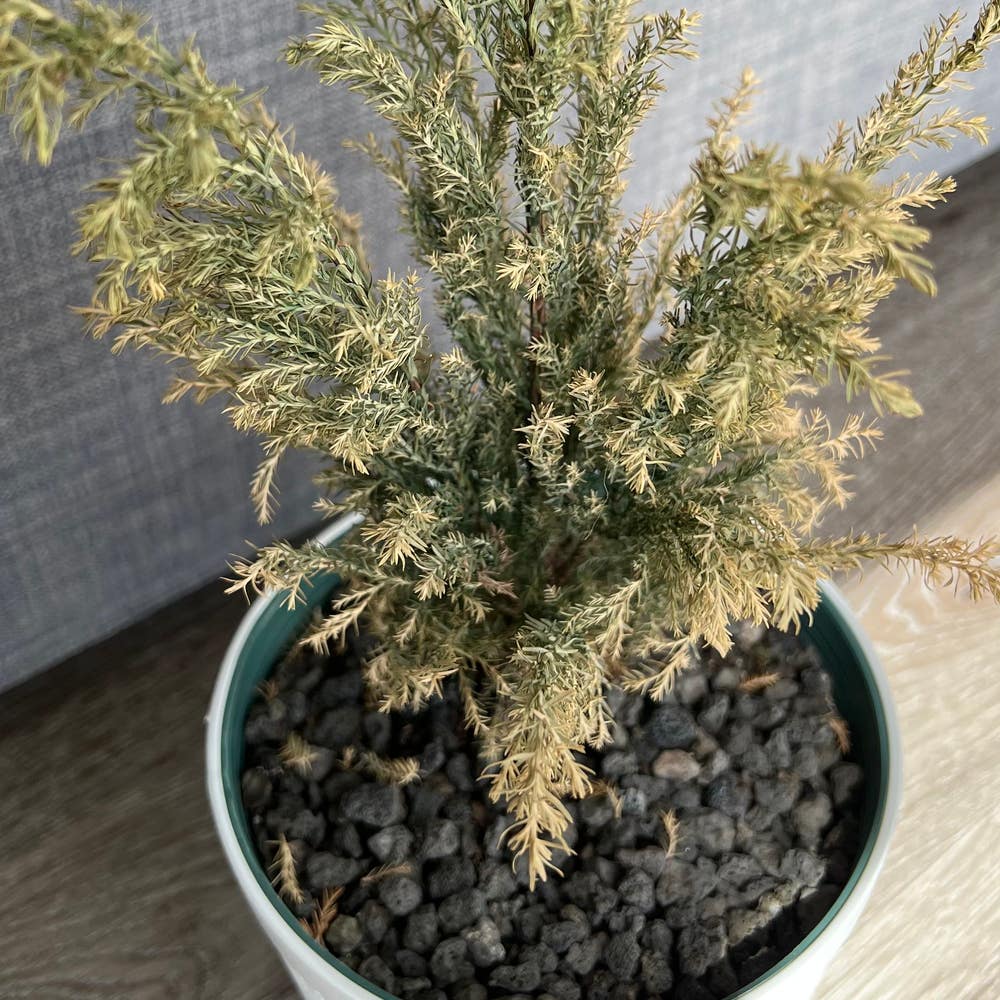
Identifying root rot early is crucial for saving your Mini European Cypress. Start by observing the leaves; yellowing or browning can indicate distress.
Next, check for branch dieback. If you notice dead or dying branches, it’s a red flag. Lastly, inspect the soil; waterlogged or overly saturated soil is a clear sign of potential root rot.
🔍 Root Inspection Techniques
To get a closer look at the roots, gently remove the tree from its pot. This step is essential for assessing the root condition.
Once out, examine the roots carefully. Healthy roots should be white and firm, while dark, mushy roots signal trouble.
💧 Soil Testing for Moisture Levels
Accurate moisture levels are vital for diagnosing root rot. Using a moisture meter can provide a precise reading of the soil's moisture content.
Alternatively, you can perform a manual test. Simply stick your finger into the soil about 1-2 inches deep to gauge its dampness. This simple technique can help you determine if overwatering is an issue.
By recognizing these signs and employing these techniques, you can effectively diagnose root rot and take the necessary steps to treat your Mini European Cypress. Next, we’ll explore how to treat root rot effectively.
Treating Root Rot
Step-by-Step Treatment Process 🌱
Remove the tree from its pot: Start by carefully extracting your Mini European Cypress from its pot. This step is crucial; handle the tree gently to avoid causing further damage to the roots.
Inspect and prune affected roots: Once out, examine the roots closely. Cut away any dark, mushy roots, as these are signs of rot and can hinder recovery.
Clean the root system: Rinse the remaining roots gently under lukewarm water. This helps remove soil and any lingering pathogens that could cause further issues.
Allow roots to dry: After cleaning, place the roots in a shaded area for a few hours. This drying period is essential to prevent excess moisture when repotting.
Repot in fresh, well-draining soil: Choose a new pot with drainage holes and fill it with fresh, well-draining soil. This will provide a healthier environment for your tree to thrive.
Recommended Fungicides and Treatments 🧪
Types of fungicides: Consider using systemic fungicides that work from within the plant or contact fungicides that target surface pathogens. Each type has its benefits, so choose based on your specific needs.
Application methods: Always follow the label instructions for effective use. Proper application ensures that the treatment is both safe and effective for your tree.
How to Repot a Mini European Cypress with Root Rot 🌳
Choosing the right pot: Select a pot that is appropriately sized for your tree. Ensure it has good drainage to prevent future root rot.
Soil selection: Opt for a soil mix designed specifically for cypress trees or a well-draining potting mix. This will help maintain the right moisture levels.
Repotting technique: When placing the tree in the new pot, position it at the same depth as before. This helps maintain stability and encourages healthy growth.
By following these steps, you can effectively treat root rot and give your Mini European Cypress a chance to recover. Next, let’s explore how to prevent root rot from occurring in the first place.
Preventing Root Rot
🌊 Importance of Proper Watering Techniques
Watering your Mini European Cypress tree correctly is crucial for preventing root rot. Always allow the soil to dry out between waterings to maintain a healthy balance.
Overwatering can lead to serious issues. Look for signs such as yellowing leaves or a musty smell from the soil, which indicate that you need to adjust your watering habits.
🪴 Soil Selection and Drainage Solutions
Choosing the right soil composition is essential. A mix of sand, perlite, and organic matter provides the drainage your tree needs.
To further enhance drainage, consider adding gravel or stones at the bottom of the pot. This simple step can make a significant difference in preventing water from pooling around the roots.
📅 Seasonal Care Tips to Avoid Overwatering
Adjust your watering routine during winter months. As your tree enters dormancy, reduce the frequency of watering to prevent excess moisture.
Additionally, keep an eye on rainfall if your tree is outdoors. Outdoor conditions can greatly affect soil moisture, so be prepared to adjust your watering accordingly.
By implementing these preventive measures, you can help ensure your Mini European Cypress thrives and remains free from root rot. Next, let’s explore how to monitor and maintain your tree for long-term health.
Monitoring and Maintenance
Regular Checks for Root Health 🌱
To keep your Mini European Cypress thriving, conduct monthly inspections. Look for signs of distress, such as drooping leaves or unusual discoloration.
Observing the foliage and overall tree vigor can reveal a lot about its health. Healthy trees will exhibit vibrant, lush leaves, while any signs of wilting or yellowing may indicate underlying issues.
Signs of Recovery from Root Rot 🌿
After addressing root rot, watch for new growth as a positive sign. Fresh leaves and shoots emerging from the branches indicate that your tree is bouncing back.
Improved color is another encouraging sign. If the foliage returns to a healthy green, your efforts are paying off.
Long-Term Care Strategies for Mini European Cypress 🌳
Implementing best practices for cypress care is crucial for long-term health. Regular pruning helps maintain shape and encourages new growth, while fertilization provides essential nutrients.
Maintaining optimal soil moisture levels is also vital. Using moisture meters can help you accurately gauge when to water, ensuring your tree gets just the right amount of hydration.
By staying vigilant and proactive, you can enjoy a flourishing Mini European Cypress for years to come. Next, let’s explore how to prevent root rot from occurring in the first place.
⚠️ Safety First
This content is for general information and may contain errors, omissions, or outdated details. It is not medical, veterinary advice, or an endorsement of therapeutic claims.
Always consult a qualified healthcare professional before using any plant as food, medicine, or supplement.
Never eat any plant (or feed one to pets) without confirming its identity with at least two trusted sources.
If you suspect poisoning, call Poison Control (800) 222-1222, the Pet Poison Helpline (800) 213-6680, or your local emergency service immediately.
Spotted an error? Please report it here.
Revive your Mini European Cypress Tree from root rot with early detection 🌱 and let Greg guide you with tailored watering reminders and moisture checks for lasting health!