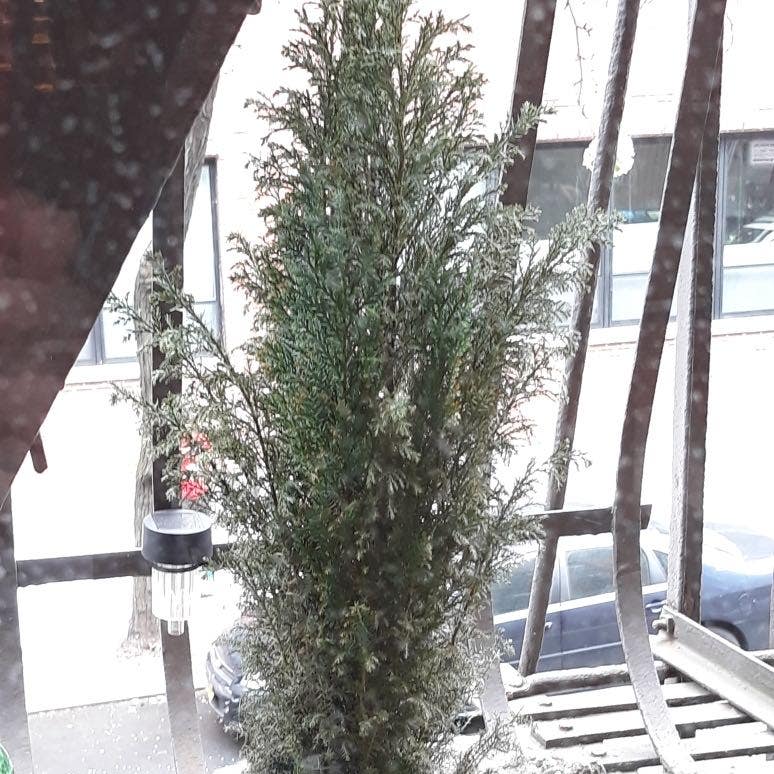
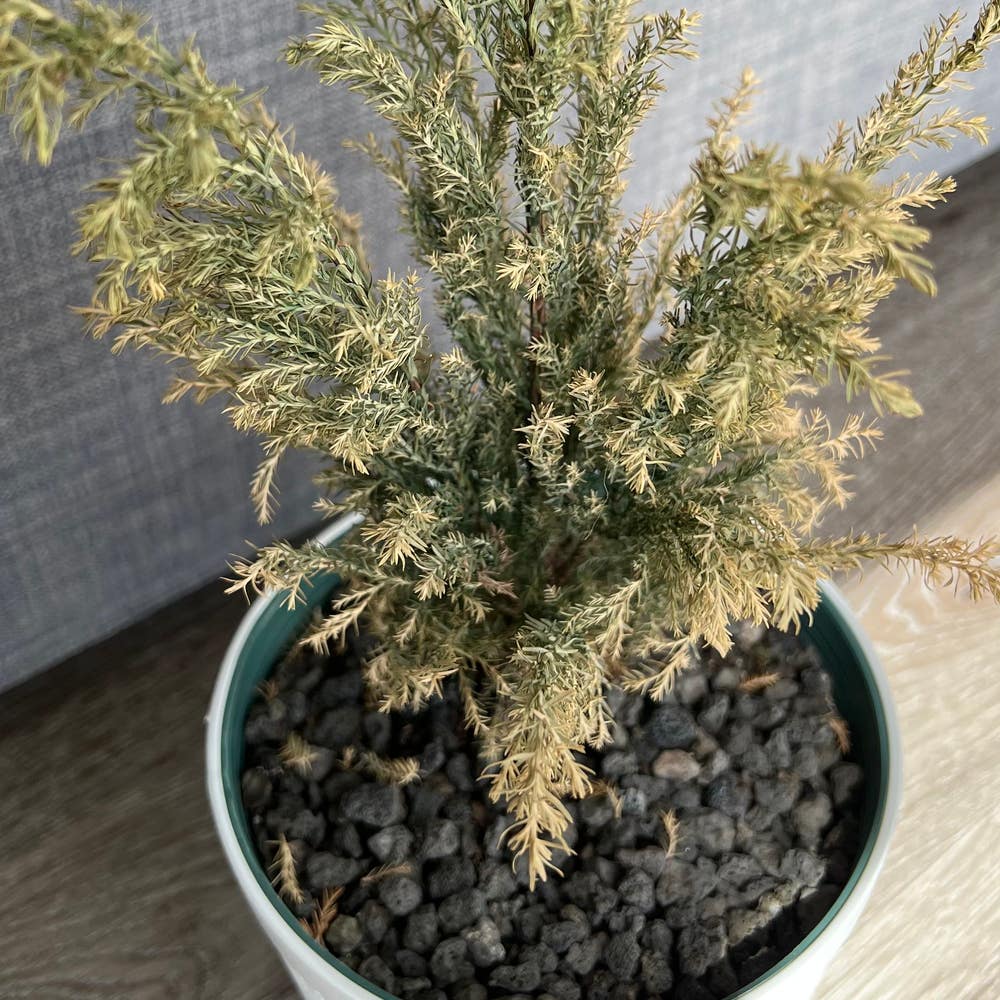
🌲 Why Your Mini European Cypress Tree Leaves Are Dropping
Chamaecyparis lawsoniana 'Ellwoodii'
By the Greg Editorial Team
Oct 16, 2024•6 min read
This article was created with the help of AI so we can cover more plants for you. May contain errors. See one? Report it here.
Master leaf drop prevention 🌱 for your Mini European Cypress tree and ensure it thrives all year round!
- 🌡️ Ideal temperatures for Mini European Cypress are 15°C to 25°C (59°F to 77°F).
- 💧 Overwatering and underwatering cause leaf drop; maintain a consistent watering schedule.
- 🐛 Pests like spider mites can stress trees, leading to leaf loss; inspect regularly.
Causes of Leaf Drop
🌪️ Environmental Stress Factors
Temperature fluctuations can significantly impact your Mini European Cypress tree. Ideally, it thrives in temperatures ranging from 15°C to 25°C (59°F to 77°F).
Humidity levels also play a crucial role. This tree prefers moderate humidity; low humidity can lead to stress and subsequent leaf drop.
💧 Watering Issues
Overwatering
Overwatering is a common issue that can lead to serious problems. Symptoms include yellowing leaves, mushy roots, and, of course, leaf drop.
The causes often stem from poor drainage, heavy soils, or simply watering too frequently. Adjusting your watering habits can make a world of difference.
Underwatering
On the flip side, underwatering can also cause distress. Look for signs like browning leaf tips and dry foliage, which indicate that your tree is thirsty.
Infrequent watering or drought conditions are usually to blame. Finding the right balance is key to keeping your tree healthy.
🥦 Nutrient Deficiencies
Nutrient deficiencies can lead to various issues, including leaf drop. Common deficiencies include nitrogen, magnesium, and iron.
Symptoms often manifest as yellowing leaves and stunted growth. Regular soil testing is essential for diagnosing these issues accurately.
🐛 Pest Infestations
Common Pests
Pests can wreak havoc on your Mini European Cypress tree. Spider mites are notorious for leaving webbing and stippled leaves in their wake.
Aphids are another culprit, causing curled leaves and sticky residue. Keeping an eye out for these pests can help you catch problems early.
Impact on Leaf Drop
Pests not only damage leaves but also stress the tree, leading to weakened health and subsequent leaf loss. Addressing pest issues promptly is crucial for maintaining your tree's vitality.
🦠 Diseases Affecting Cypress Trees
Root Rot
Root rot is a serious condition that can lead to leaf drop. Symptoms include wilting and yellowing leaves, often caused by overwatering and poorly draining soil.
Taking steps to improve drainage can help prevent this issue from arising.
Fungal Infections
Fungal infections can also affect your tree's health. Look for discolored leaves and dieback as signs of trouble.
Preventing these infections involves ensuring proper air circulation and managing soil conditions effectively.
Understanding these causes of leaf drop is essential for maintaining the health of your Mini European Cypress tree. With the right care and attention, you can keep your tree thriving and vibrant.
Next, let’s explore how to diagnose leaf drop effectively.
Diagnosing Leaf Drop
🧐 Identifying Symptoms
When your mini European cypress tree shows signs of distress, the first step is to observe its leaves. Look for yellowing, browning, or dropping leaves, which are clear indicators of underlying issues.
Timing also plays a crucial role in diagnosing leaf drop. Seasonal patterns can help differentiate between natural shedding in fall and stress-related leaf loss at other times.
🌍 Assessing Environmental Conditions
Next, evaluate the environmental conditions surrounding your tree. Check the temperature and humidity levels to ensure they fall within the ideal range of 15°C to 25°C (59°F to 77°F) and moderate humidity.
Don’t forget to assess sunlight exposure and soil drainage. Your cypress needs full sun for 6-8 hours daily; insufficient light can lead to leaf drop.
🧪 Soil Testing for Nutrients
Regular soil testing is essential for identifying nutrient deficiencies that could affect your tree's health. Testing helps you understand what your soil lacks and what your tree needs to thrive.
Aim to conduct soil tests at least once a year. This proactive approach ensures you can address any deficiencies before they lead to more significant problems.
With these diagnostic steps, you can better understand why your mini European cypress tree is losing leaves. Next, let’s explore preventive measures to keep your tree healthy and vibrant.
Preventive Measures
Proper Watering Techniques 🌊
Maintaining a consistent watering schedule is crucial for your Mini European Cypress Tree. Aim for deep watering every 1-2 weeks, adjusting based on weather conditions.
Look for signs of proper watering: the soil should feel moist but not waterlogged. This balance helps prevent stress and promotes healthy growth.
Soil and Fertilization Guidelines 🌱
The right soil type is essential for your tree's health. A well-draining sandy loam with a pH between 6.0 and 7.0 is ideal.
Fertilize with a balanced fertilizer every spring, focusing on nitrogen to support robust growth. This simple step can make a significant difference in your tree's vitality.
Pest Management Strategies 🐛
Regular inspections are key to keeping pests at bay. Check your tree bi-weekly for any signs of infestation.
If you spot pests, consider preventive treatments like insecticidal soap or neem oil. These options are effective and help maintain a healthy environment for your tree.
Seasonal Care Tips ❄️
Protecting your tree during winter is vital. Mulching and wrapping can shield it from frost damage, ensuring it survives the colder months.
In summer, focus on maintaining adequate moisture. Hot weather can stress your tree, so keep an eye on soil moisture levels to prevent leaf drop.
By implementing these preventive measures, you can create a thriving environment for your Mini European Cypress Tree. This proactive approach not only enhances its health but also enriches your gardening experience.
Next, let’s explore treatment options to address any issues that may arise.
Treatment Options
Adjusting Watering Practices 🌊
Correcting overwatering is essential for your Mini European Cypress Tree's health. Start by reducing the frequency of watering and enhancing soil drainage to prevent root rot.
On the other hand, if underwatering is the issue, gradually increase your watering frequency. This approach helps the tree recover without overwhelming it.
Fertilization Recommendations 🌱
For optimal growth, consider using slow-release nitrogen fertilizers. These provide a steady nutrient supply, ensuring your tree thrives.
Timing is crucial; apply fertilizers in early spring for the best results. This aligns with the tree's growth cycle, giving it the boost it needs.
Pest Control Methods 🐞
When it comes to pest management, organic options like neem oil and insecticidal soap are effective. These methods are gentle on the environment while tackling common pests.
If infestations persist, you might need to consider stronger chemical options. Use these as a last resort, ensuring you follow application guidelines carefully.
Pruning Techniques for Health ✂️
Pruning is a vital part of maintaining your tree's health. The best time to prune is late winter or early spring, just before new growth begins.
Focus on removing dead or diseased branches to promote better airflow. This simple step can significantly enhance your tree's resilience against pests and diseases.
By implementing these treatment options, you can ensure your Mini European Cypress Tree remains healthy and vibrant. Next, let’s explore long-term care strategies to keep your tree thriving year-round.
Long-term Care
Regular Monitoring for Symptoms 🌱
Consistent observation is key to catching issues early. Aim for monthly checks during the growing season to spot any changes in your mini European cypress tree.
Best Practices for Cypress Tree Health 🌳
Maintaining a proper watering and fertilization schedule is essential. Ensure your tree receives adequate sunlight and air circulation to thrive.
Seasonal Adjustments in Care 🍂
Adjust your watering and fertilization based on seasonal changes. Be proactive in preparing for extreme weather conditions, whether it’s heat or frost, to protect your tree's health.
By following these long-term care strategies, you can help your mini European cypress tree flourish and minimize the risk of leaf drop. Next, let’s explore effective treatment options to address any existing issues.
⚠️ Safety First
This content is for general information and may contain errors, omissions, or outdated details. It is not medical, veterinary advice, or an endorsement of therapeutic claims.
Always consult a qualified healthcare professional before using any plant as food, medicine, or supplement.
Never eat any plant (or feed one to pets) without confirming its identity with at least two trusted sources.
If you suspect poisoning, call Poison Control (800) 222-1222, the Pet Poison Helpline (800) 213-6680, or your local emergency service immediately.
Spotted an error? Please report it here.
Keep your Mini European Cypress tree lush and vibrant 🌲 by using Greg for personalized watering reminders and care tips that adapt to its needs!