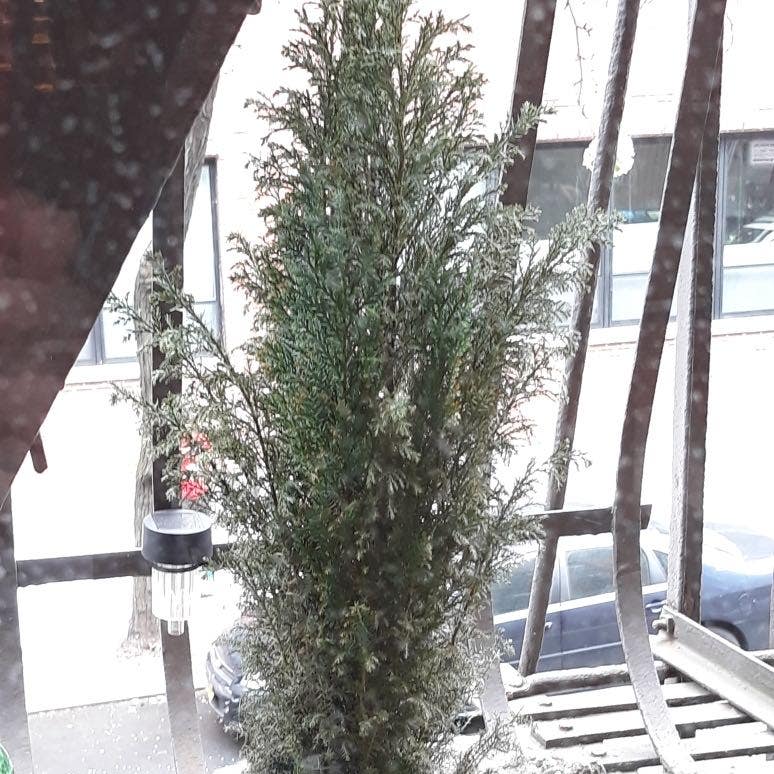
What Is A Good Temperature Range For My Lawson Cypress?
Chamaecyparis lawsoniana 'Ellwoodii'
By the Greg Editorial Team
Jun 18, 2024•4 min read
This article was created with the help of AI so we can cover more plants for you. May contain errors. See one? Report it here.
Keep your Lawson Cypress lush 🌲 by nailing the perfect 50°F-70°F care temp!
- 50°F to 70°F is ideal for Lawson Cypress; watch for stress outside this range.
- 🌡️ Seasonal tolerance varies; slightly cooler in winter, warmer in summer.
- Protect from extremes with insulation for cold, shade and water for heat.
Spotting the Sweet Spot: Ideal Temperature Range for Lawson Cypress
♨️ What's Too Hot, What's Too Cold
The Lawson Cypress thrives in a temperate climate, favoring a temperature range of 50°F to 70°F (10°C to 21°C). This range is the plant's comfort zone, where it can photosynthesize efficiently and maintain robust health.
Venturing outside this range invites trouble. Above 70°F, the cypress may start to show signs of heat stress. Below 50°F, the risk of cold damage increases, potentially stunting growth or causing foliage discoloration.
🍂 Seasonal Shifts
As the seasons change, so does the Lawson Cypress's tolerance to temperature. It can handle a bit cooler in winter and a touch warmer in summer, but drastic departures from the sweet spot can spell disaster.
Humidity also plays a role in temperature tolerance. Higher humidity can make the cypress more resilient to heat, but too much can encourage fungal issues. It's a delicate balance, like walking a tightrope in a gusty wind.

When Your Cypress Feels the Heat: Recognizing Temperature Stress
🌡️ Telltale Signs of Trouble
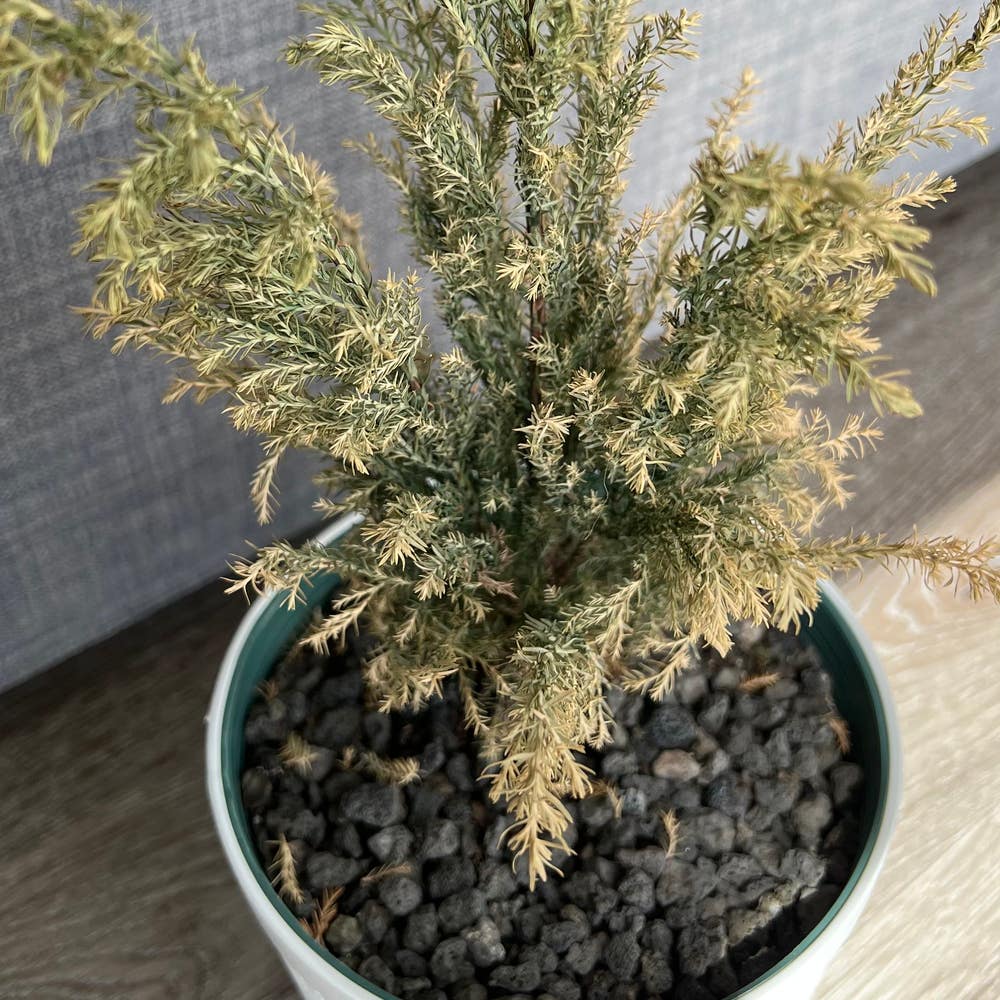
Lawson Cypress trees don't sweat, but they do show clear signs when the temperature isn't to their liking. Needle discoloration, ranging from yellow to brown, is the tree's non-verbal way of saying it's too hot. If the foliage starts looking more fried than a sunny-side-up egg, it's time to take action. Wilting or drooping branches are the botanical equivalent of a lethargic sloth; they're not lazy, just heat-stressed.
🌋 The Aftermath of Extremes
The consequences of prolonged exposure to unsuitable temperatures can be as severe as a bad sunburn on a cloudless day. Permanent damage to the tree's vascular system can occur, leading to stunted growth or even death. Think of it as the tree's lifeblood being cooked to a crisp. Bark cracks and cankers may also form, turning the once majestic Lawson Cypress into a sad, scarred figure. It's not just a temporary setback; it's a long-term problem that can compromise the tree's structural integrity and overall health.

Keeping Your Cool: Protecting Lawson Cypress from Temperature Extremes
❄️ Battling the Frost
Cold snaps can be a Lawson Cypress's worst nightmare. To fend off the frost, insulate your tree by wrapping the trunk with burlap or tree blankets. Mulch generously at the base to protect the roots. If you're expecting ice or snow, a plastic cover over the insulation can be a game-changer. Remember, dry soil can be a cold killer, so ensure your tree is hydrated before Jack Frost hits.
☀️ Shielding from the Scorch
When the sun cranks up the heat, your Lawson Cypress might start to sweat. Water deeply in the early morning to keep the soil cool and moist. Create a sunblock by rigging up some shade cloth during peak sunshine hours. If your tree is potted, move it to a cooler spot—think of it as a mini-vacation from the heat. And don't forget, a stressed tree is a thirsty tree, so keep that water coming.

Quick Fixes and Prevention
🌡️ Immediate Actions for Temperature Fluctuations
When your Lawson Cypress is hit with unexpected temperature changes, act fast. If a cold snap strikes, wrap the pot in insulating materials or use a heat lamp for a gentle warm-up. During a heatwave, move your cypress to a cooler spot, away from direct sunlight, or use a shade cloth to protect it.
🌿 Long-Term Strategies for Temperature Stability
Consistency is your Lawson Cypress's best friend. Invest in a thermostat to keep indoor temperatures stable. For outdoor plants, create a microclimate with strategic placement and consider using windbreaks or partial shade structures. Regular monitoring helps you adapt care with the seasons and avoid those plant-unfriendly temperature rollercoasters.
⚠️ Safety First
This content is for general information and may contain errors, omissions, or outdated details. It is not medical, veterinary advice, or an endorsement of therapeutic claims.
Always consult a qualified healthcare professional before using any plant as food, medicine, or supplement.
Never eat any plant (or feed one to pets) without confirming its identity with at least two trusted sources.
If you suspect poisoning, call Poison Control (800) 222-1222, the Pet Poison Helpline (800) 213-6680, or your local emergency service immediately.
Spotted an error? Please report it here.
Ensure your Lawson Cypress is protected 🛡 from temperature extremes with Greg's custom alerts for optimal care and seasonal adjustments.