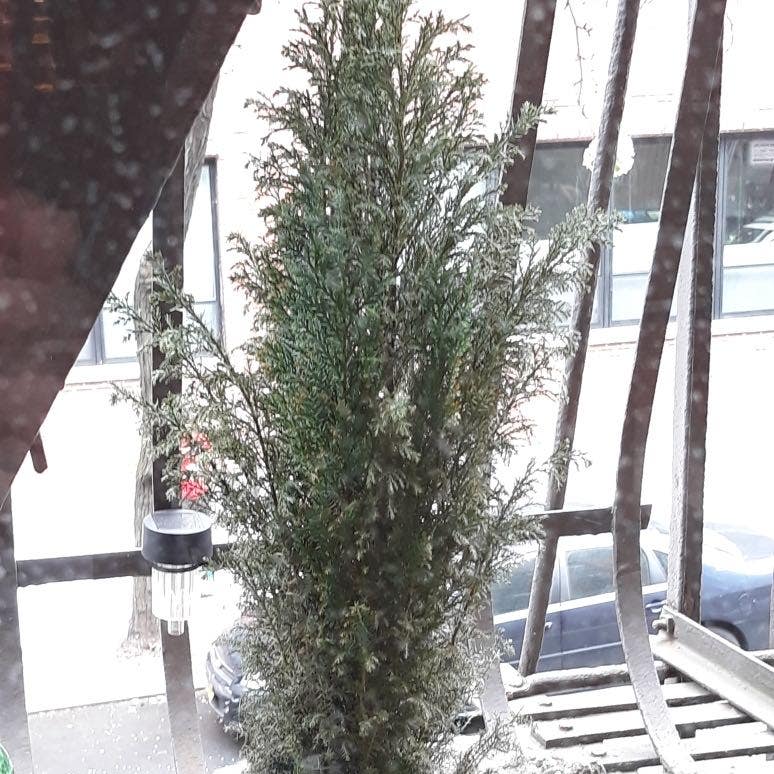
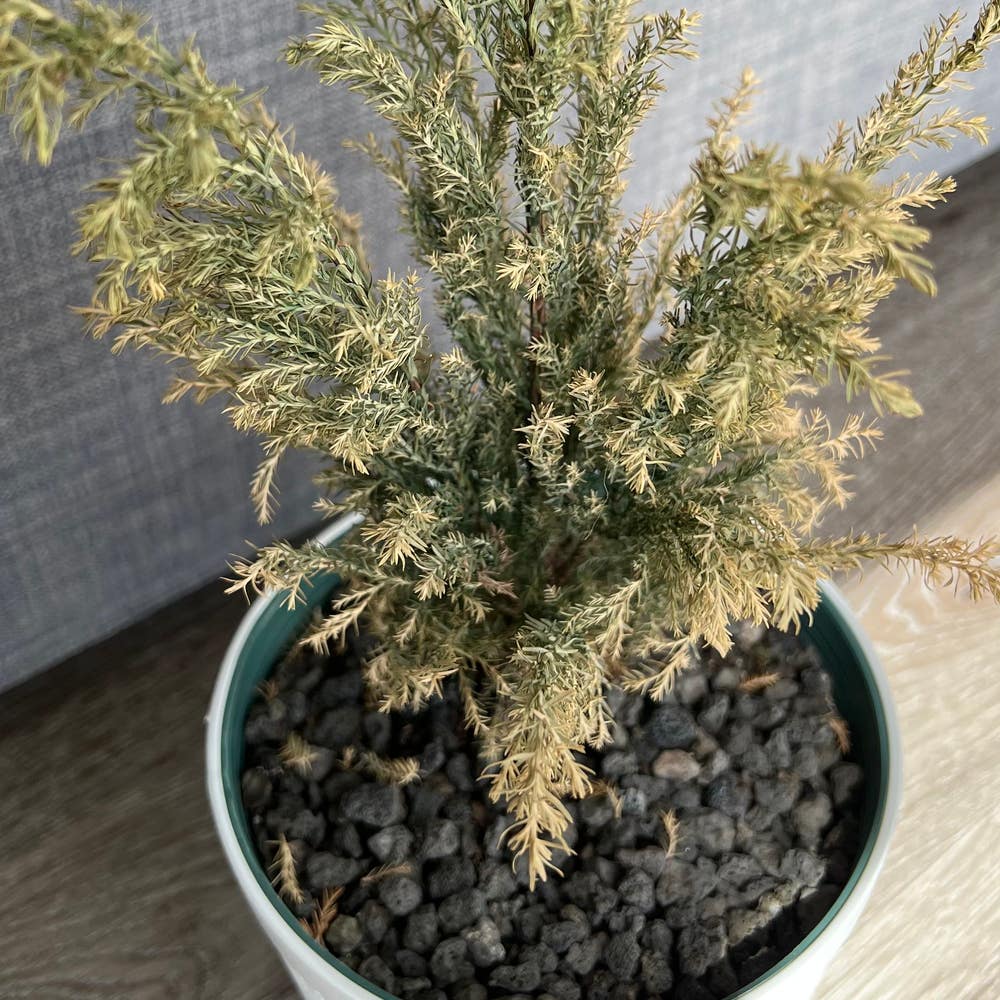
🐝 10 Easy Ways to Pollinate Mini European Cypress Tree
Chamaecyparis lawsoniana 'Ellwoodii'
By the Greg Editorial Team
Oct 16, 2024•6 min read
This article was created with the help of AI so we can cover more plants for you. May contain errors. See one? Report it here.
Boost your garden's health and biodiversity by mastering the Mini European Cypress Tree's unique pollination process! 🌼
- 🌼 Mini European Cypress trees self-pollinate, but cross-pollination boosts genetic diversity.
- 🐝 Pollinators like bees and butterflies enhance pollination; create a friendly environment for them.
- 🌱 Hand pollination increases seed production; learn to identify male and female flowers.
Flower Structure
Description 🌼
The Mini European Cypress Tree boasts small, inconspicuous flowers that are typically greenish or yellowish in color. These delicate blooms are often clustered in small groups, making them easy to overlook due to their size.
Role in Pollination 🐝
The unique structure of these flowers plays a crucial role in their pollination process. They are designed to facilitate both self-pollination and cross-pollination, ensuring that the tree can reproduce effectively in various conditions.
Self-pollination occurs when pollen from the male parts of the flower fertilizes the female parts within the same flower. This method is efficient but can be enhanced by cross-pollination, where pollen from different trees increases genetic diversity and seed viability.
Understanding the flower structure helps gardeners appreciate the adaptability of the Mini European Cypress Tree. By recognizing how these flowers function, you can better support their pollination needs and encourage a thriving ecosystem.
This foundation sets the stage for exploring the pollination process in greater detail.
Pollination Process
Self-Pollination 🌱
The Mini European Cypress Tree has a unique ability to self-pollinate. This means that it can produce seeds without needing pollen from another tree, which is a significant advantage in less populated areas.
However, relying solely on self-pollination can limit genetic diversity. Incorporating additional pollination methods can enhance seed production and lead to healthier offspring.
Cross-Pollination 🐝
While self-pollination is effective, cross-pollination introduces a variety of benefits. Primary pollinators for the Mini European Cypress include bees, butterflies, moths, and hummingbirds.
These pollinators are attracted to the tree through its subtle scents and the arrangement of its flowers. The tree's floral design plays a crucial role in drawing these vital species in.
Interaction with Pollinators 🦋
Each pollinator interacts with the Mini European Cypress in unique ways. Bees, for instance, are drawn to the flowers for their nectar and inadvertently transfer pollen as they move from bloom to bloom.
Butterflies and moths also contribute by seeking out the flowers, while hummingbirds are attracted to the tree's scent. This interaction not only aids in pollination but also supports the overall health of the ecosystem.
Understanding these dynamics can help gardeners appreciate the importance of fostering a pollinator-friendly environment. This knowledge sets the stage for exploring natural pollination mechanisms next.
Natural Pollination Mechanisms
🌬️ Pollen Transfer
Natural pollen transfer is crucial for the Mini European Cypress Tree's reproduction. This process occurs primarily through two methods: wind and animal-assisted pollination.
Wind plays a significant role, as the lightweight pollen grains can be easily carried from one flower to another. However, animal-assisted pollination, particularly by insects and birds, enhances this process significantly.
🌱 Importance for Reproduction
Pollination directly impacts seed viability and genetic diversity. Successful pollination leads to the production of healthy seeds, which are essential for the tree's propagation.
Moreover, cross-pollination introduces genetic variation, making the population more resilient to diseases and environmental changes. This diversity is vital for the long-term survival of the species.
Understanding these natural mechanisms can help you appreciate the intricate relationships within your garden. Next, we’ll explore hand pollination techniques to further support your Mini European Cypress Tree.
Hand Pollination Techniques ((difficulty:moderate))
Step-by-Step Instructions
Identifying Male and Female Flower Parts
Understanding the anatomy of the Mini European Cypress Tree is crucial. The male flowers have stamens that produce pollen, while the female flowers contain pistils that receive pollen.Collecting Pollen
Gently tapping or brushing the male flowers is an effective way to collect pollen. Use a soft brush or your fingers to avoid damaging the delicate structures.Transferring Pollen
Once you have collected the pollen, apply it to the female flowers. You can use the same brush or your fingers to ensure the pollen reaches the pistils effectively.Timing for Successful Fertilization
Timing is key for successful hand pollination. Early morning or late afternoon are the best times, as the flowers are more receptive during these periods.
Hand pollination can significantly enhance seed production in your Mini European Cypress Tree. By following these steps, you can ensure a successful pollination process, leading to healthier trees and more robust seed viability.
🌼 Transition to Supporting Pollinators
Now that you understand hand pollination techniques, let’s explore how to create a pollinator-friendly environment that supports not just your trees but the entire ecosystem.
Supporting Pollinators
🌼 Creating a Pollinator-Friendly Environment
Designing a garden that attracts pollinators is essential for the health of your Mini European Cypress Tree. Start by planting diverse flowering species to provide a continuous source of nectar and pollen.
Incorporating water sources, like shallow dishes or birdbaths, can also help. Pollinators need hydration, especially during hot months, so make sure to include these elements in your garden design.
🌱 Companion Plants
Companion plants can significantly enhance pollination success. Consider adding lavender, echinacea, and other nectar-rich plants to your garden.
These plants not only attract pollinators but also support the ecosystem. By providing additional food sources, they create a thriving environment that benefits your Mini European Cypress Tree and its pollinators alike.
Creating a vibrant, pollinator-friendly garden is a rewarding endeavor. It not only boosts pollination success but also enriches your outdoor space, making it a haven for both plants and wildlife.
Next, let’s explore the common challenges faced in pollination and how to overcome them.
Pollination Challenges and Solutions
🌪️ Common Obstacles
Pollination success for the Mini European Cypress Tree can be hindered by various environmental factors. Temperature fluctuations, humidity levels, and strong winds can disrupt the delicate balance needed for effective pollination.
Additionally, the decline in pollinator populations poses a significant challenge. Habitat loss and the use of pesticides have led to fewer bees, butterflies, and other essential pollinators visiting these trees.
💡 Solutions
To enhance pollination success, consider planting more pollinator-friendly species in your garden. Diverse flowering plants can attract a variety of pollinators, creating a vibrant ecosystem.
Implementing organic gardening practices is another effective strategy. Avoiding harmful chemicals not only protects pollinators but also fosters a healthier environment for your Mini European Cypress Tree to thrive.
By addressing these challenges with thoughtful solutions, you can significantly improve the pollination process and support the overall health of your garden.
⚠️ Safety First
This content is for general information and may contain errors, omissions, or outdated details. It is not medical, veterinary advice, or an endorsement of therapeutic claims.
Always consult a qualified healthcare professional before using any plant as food, medicine, or supplement.
Never eat any plant (or feed one to pets) without confirming its identity with at least two trusted sources.
If you suspect poisoning, call Poison Control (800) 222-1222, the Pet Poison Helpline (800) 213-6680, or your local emergency service immediately.
Spotted an error? Please report it here.
Boost your Mini European Cypress Tree's growth and support local pollinators by creating a buzzing garden 🐝 with Greg's tailored tips for a thriving ecosystem!