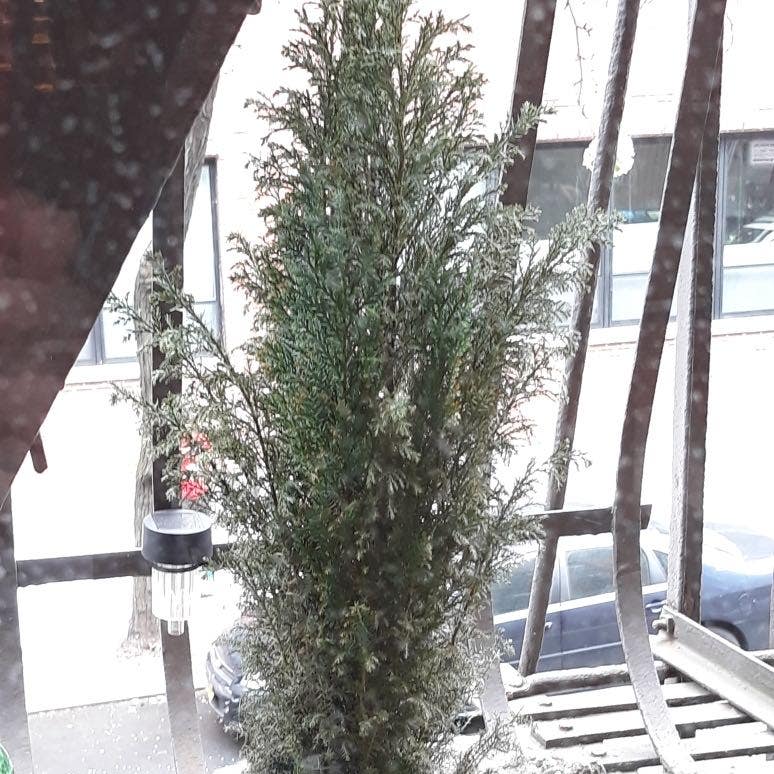
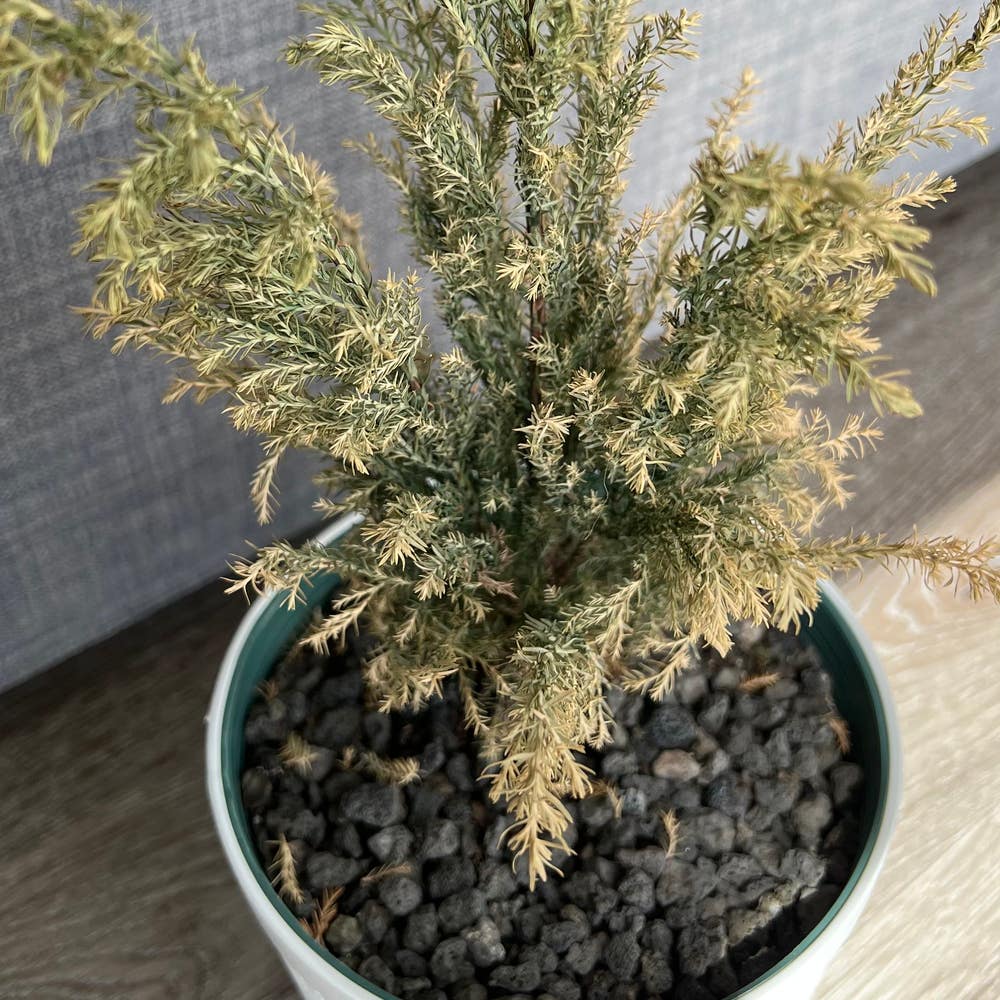
🌳 Understanding Why Mini European Cypress Tree May Not Flower
Chamaecyparis lawsoniana 'Ellwoodii'
By the Greg Editorial Team
Oct 16, 2024•6 min read
This article was created with the help of AI so we can cover more plants for you. May contain errors. See one? Report it here.
Transform your Mini European Cypress tree 🌲 into a blooming beauty with these essential care tips and tricks!
- 🌞 Mini European Cypress needs 6+ hours of sunlight daily to bloom effectively.
- 🌱 Nutritional deficiencies in nitrogen, phosphorus, and potassium hinder blooming potential.
- 🌿 Proper drainage and pruning are vital for vibrant blooms and tree health.
Failure to Bloom
🌞 Potential Causes
Light Requirements
Insufficient sunlight exposure is a common culprit for the Mini European Cypress tree's failure to bloom. These trees need a minimum of six hours of direct sunlight daily; anything less can significantly hinder their flowering potential.
Excessive shade can also dampen their energy levels, leading to fewer blooms. If your tree is tucked away in a shadowy corner, it may be time to rethink its location.
Nutritional Factors
Nutritional deficiencies can play a major role in blooming issues. A lack of essential nutrients like nitrogen, phosphorus, and potassium can stunt growth and flowering.
Additionally, soil quality matters. Poorly drained or nutrient-deficient soils can create an environment that’s less than ideal for your tree’s health.
Environmental Stress
Temperature fluctuations can be detrimental to blooming. Extreme heat or cold can stress the plant, making it less likely to produce flowers.
Overwatering is another significant factor. It can lead to root rot, which stresses the plant and reduces its ability to bloom.
💡 Solutions and Care Adjustments
Adjusting Light Exposure
If your tree isn’t getting enough sunlight, consider relocating it to a sunnier spot. This simple adjustment can make a world of difference in its blooming potential.
Nutritional Enhancements
Applying a balanced fertilizer during the growing season can help replenish lost nutrients. Additionally, conducting soil tests can provide insights into nutrient levels, allowing for targeted improvements.
Mitigating Environmental Stress
To prevent root rot, ensure proper drainage in the soil. Monitoring temperature and providing protection during extreme weather can also help your tree thrive.
By addressing these potential causes and implementing the suggested solutions, you can enhance your Mini European Cypress tree's chances of blooming beautifully. Next, let’s explore the issue of premature flower drop and how to tackle it effectively.
Premature Flower Drop
Common Triggers 🌼
Premature flower drop in Mini European Cypress trees can be frustrating. One major culprit is pests, particularly aphids and spider mites, which can stress the plant and lead to flower loss.
Diseases also play a significant role. Fungal infections can cause wilting and ultimately result in flowers dropping before they bloom.
Improper watering practices are another common trigger. Inconsistent watering schedules can create stress, making it difficult for the tree to maintain healthy blooms.
Preventive Measures and Treatments 🛡️
To combat pests, regular inspections are essential. Using insecticidal soap or neem oil can effectively manage infestations and protect your tree.
For disease prevention, ensure good air circulation around your plants. Avoid overcrowding to minimize the risk of fungal infections.
Establishing a consistent watering schedule is crucial. Allow the soil to dry slightly between waterings to prevent stress and promote healthy flowering.
By addressing these common triggers and implementing preventive measures, you can help your Mini European Cypress thrive and enjoy a beautiful bloom season. Next, let’s explore how abnormal flower development can impact your tree’s health.
Abnormal Flower Development
🌱 Identifying Abnormal Growth Patterns
Abnormal flower development can manifest as misshapen flowers or stunted growth. These signs often indicate underlying issues affecting the plant's overall health.
Environmental conditions play a crucial role in flower development. Factors such as temperature, humidity, and light exposure can significantly influence how well your Mini European Cypress thrives.
🌼 Factors Influencing Flower Development
Pruning Techniques
Timing is everything when it comes to pruning. The best time to prune your Mini European Cypress is late winter or early spring, just before new growth begins.
Over-pruning can be detrimental. Removing too much foliage stresses the plant and can lead to reduced flowering, so it's essential to strike a balance.
Fertilization Practices
Balanced fertilization is key to supporting healthy flower development. Ensuring your plant receives the right nutrients can make a world of difference in its blooming potential.
Regularly check your soil's nutrient levels. This proactive approach helps maintain optimal conditions for your Mini European Cypress to flourish.
Understanding these factors can empower you to nurture your plant effectively. With the right care, you can encourage vibrant blooms and robust growth, setting the stage for a thriving garden.
Next, let’s explore the pests and diseases that can impact your Mini European Cypress and how to manage them effectively.
Pests and Diseases
🐞 Identifying Common Pests
Pests can wreak havoc on your Mini European Cypress, leading to stress and flower drop. Infestations from aphids or spider mites are particularly notorious for sucking the life out of your plants, literally.
To combat these pests, consider using organic pesticides. Introducing beneficial insects, like ladybugs, can also help keep pest populations in check, promoting a healthier environment for your cypress.
🌱 Diseases Impacting Flower Development
Fungal diseases are a significant concern for Mini European Cypress trees. Root rot and blight can severely impact flower development, causing wilting and premature drop.
Regular monitoring is crucial for early detection of these diseases. Maintaining good cultural practices, such as proper watering and spacing, can prevent many issues before they start.
By staying vigilant and proactive, you can ensure your cypress thrives and blooms beautifully. Now, let’s explore how pruning can further enhance flowering potential.
Pruning and Its Impact on Flowering
✂️ Best Practices for Pruning
Pruning your Mini European Cypress tree at the right time is crucial for encouraging healthy blooms. The best period for pruning is late winter or early spring, just before new growth begins.
Using clean, sharp tools is essential to avoid damaging the plant. This simple step can make a significant difference in how well your tree responds to pruning.
🌸 How Pruning Affects Bloom Cycle and Flower Health
Effective pruning stimulates new growth, which can lead to more vibrant blooms. By removing old or dead branches, you allow the tree to focus its energy on producing flowers.
Healthy pruning practices not only enhance the bloom cycle but also improve overall plant health. This proactive approach ensures your tree remains robust and ready to flourish.
❌ Common Mistakes in Pruning
Avoiding common pruning mistakes is key to maintaining a healthy flowering cycle. Over-pruning can stress the plant by removing too much foliage, which is vital for photosynthesis.
Timing is equally important; pruning at the wrong moment can disrupt the bloom cycle. Stick to the recommended schedule to ensure your Mini European Cypress thrives.
By following these best practices and avoiding common pitfalls, you can significantly enhance your tree's flowering potential. Next, let’s explore how pests and diseases can impact flowering and what you can do to combat these issues.
⚠️ Safety First
This content is for general information and may contain errors, omissions, or outdated details. It is not medical, veterinary advice, or an endorsement of therapeutic claims.
Always consult a qualified healthcare professional before using any plant as food, medicine, or supplement.
Never eat any plant (or feed one to pets) without confirming its identity with at least two trusted sources.
If you suspect poisoning, call Poison Control (800) 222-1222, the Pet Poison Helpline (800) 213-6680, or your local emergency service immediately.
Spotted an error? Please report it here.
Unlock your Mini European Cypress's blooming potential 🌱 by using Greg's tailored care reminders and expert tips to ensure it gets the sunlight and nutrients it craves!