What Are The Bugs on My Lawson Cypress? 🐛
Chamaecyparis lawsoniana 'Ellwoodii'
By the Greg Editorial Team
Jun 18, 2024•3 min read
This article was created with the help of AI so we can cover more plants for you. May contain errors. See one? Report it here.
Safeguard your Lawson Cypress's health by mastering pest detection and defense! 🌲🛡️
- Spider mites and scale insects: Look for webs, speckled leaves, and stickiness.
- Fungus gnats, fruit flies, mealybugs: Control with dry soil, alcohol, and cleanliness.
- Healthy Lawson Cypress: Lush greenery and robust growth signal good health.
Meet the Unwanted Guests: Common Pests on Lawson Cypress
🕷️ Battling Spider Mites
Tiny but mighty, spider mites can wreak havoc on your Lawson Cypress. Look for fine webs and a speckled appearance on leaves, which are telltale signs of their presence.
To fight back, wipe down the leaves with a damp cloth or use a gentle spray of water to disrupt their webs. For more stubborn infestations, neem oil or insecticidal soap can be effective treatments.
To keep them out, introduce natural predators like ladybugs or maintain a strong spray of water as a deterrent. Avoid overusing insecticides, as they can kill beneficial insects and lead to mite population explosions.
🦟 Scale Insects: Sticky Foes
Scale insects make your Lawson Cypress sticky and sickly. Infested branches show little growth, and needles may turn yellow or brown.
For eradication, horticultural oil sprays are less harmful to beneficial insects and can help control scale populations. If the infestation is severe, you may need to prune the affected areas.
Prevention involves regular inspection and immediate treatment at the first sign of trouble. Keep your plant healthy to improve its resistance to scale and other pests.
🦟 Fungus Gnats and Fruit Flies: More Than Just a Nuisance
These flying pests love over-moist soil. If you spot them, it's time to reassess your watering habits.
To clear the air, allow the soil to dry out between waterings and use sticky traps to catch adult gnats and flies.
To make your Lawson Cypress unattractive to these pests, ensure proper drainage and avoid overwatering. A drier environment is less hospitable for gnats and flies.
🐛 Mealybugs: The White Menace
Mealybugs leave a cottony residue as they feed on your plant's sap. Check the underside of leaves for these fluffy bugs.
For elimination, dabbing the pests with rubbing alcohol or applying insecticidal soap can be effective. Repeat treatments may be necessary for larger infestations.
To proactively deter mealybugs, keep your plant clean and inspect new plants before introducing them to your garden.
🐜 Other Uninvited Critters
Aphids and caterpillars also have a taste for Lawson Cypress. These less common pests can be managed by manual removal or the use of organic insecticides.
To spot and stop these critters, inspect your plant regularly and act quickly at the first sign of an infestation.
An integrated defense combines natural predators, proper plant care, and selective use of treatments to create a pest-resistant environment for your Lawson Cypress.

Signs of a Healthy vs. Infested Lawson Cypress
💪 Vigor and Vitality: The Hallmarks of Health
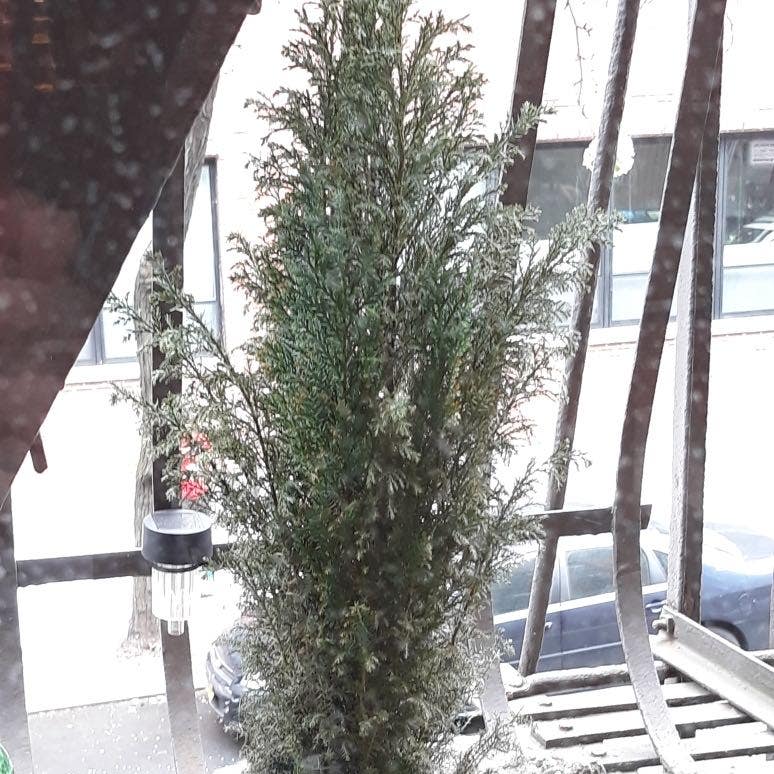
A healthy Lawson Cypress stands tall, its foliage a lush green with no signs of yellowing or bronzing. New growth should be vibrant and robust, indicating that the tree's root system is functioning properly. The absence of webbing, powdery residue, or sticky secretions on the leaves suggests that pests have not taken up residence.
🚩 Red Flags: Symptoms of Infestation
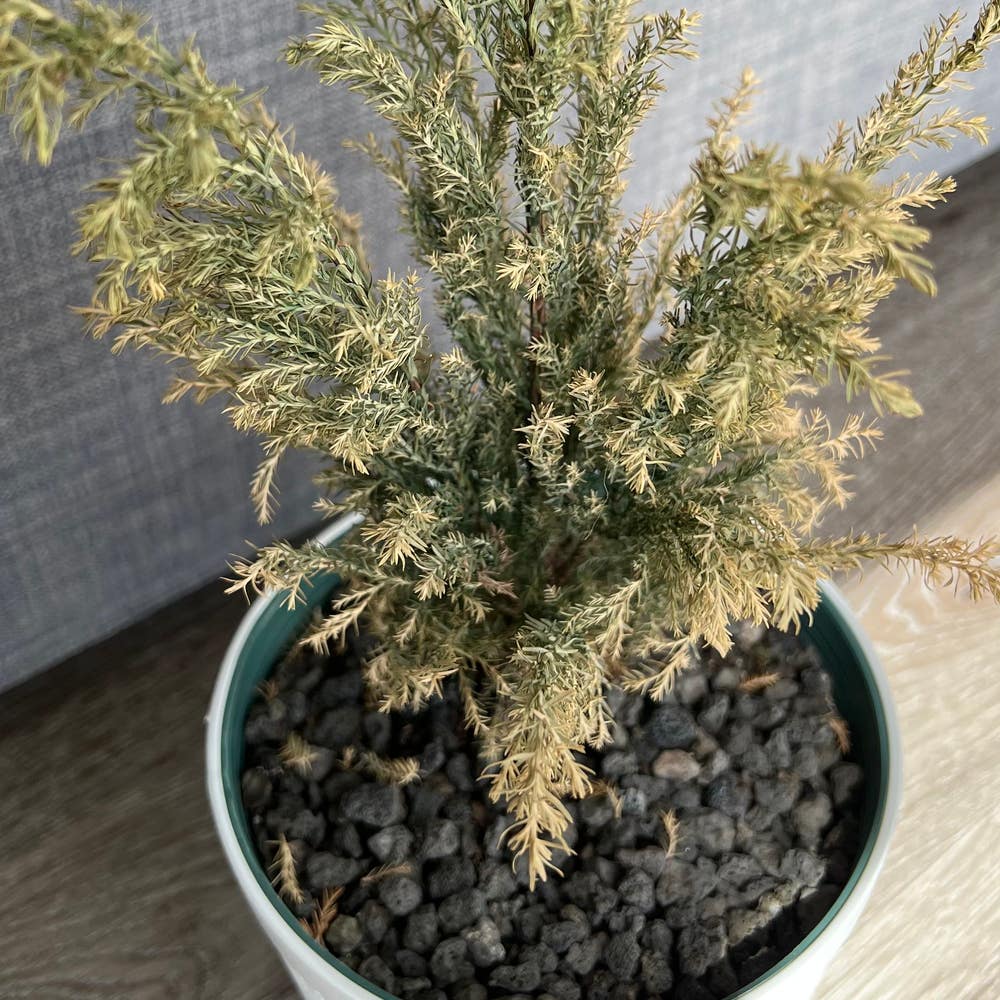
Infestation signs are unmistakable. Look for foliage discoloration, such as yellowing or bronzing needles, which could signal a pest problem or disease. Drooping branches or a general lack of vigor might indicate an underlying issue. Presence of fine webbing hints at spider mites, while a white cottony substance suggests mealybugs. Scale insects leave behind a sticky residue, and if you notice an increase in flying insects around the plant, fungus gnats or fruit flies may be present.


⚠️ Safety First
This content is for general information and may contain errors, omissions, or outdated details. It is not medical, veterinary advice, or an endorsement of therapeutic claims.
Always consult a qualified healthcare professional before using any plant as food, medicine, or supplement.
Never eat any plant (or feed one to pets) without confirming its identity with at least two trusted sources.
If you suspect poisoning, call Poison Control (800) 222-1222, the Pet Poison Helpline (800) 213-6680, or your local emergency service immediately.
Spotted an error? Please report it here.
Keep your Lawson Cypress pest-free 🐛 with Greg's custom care reminders for timely inspections and treatments.