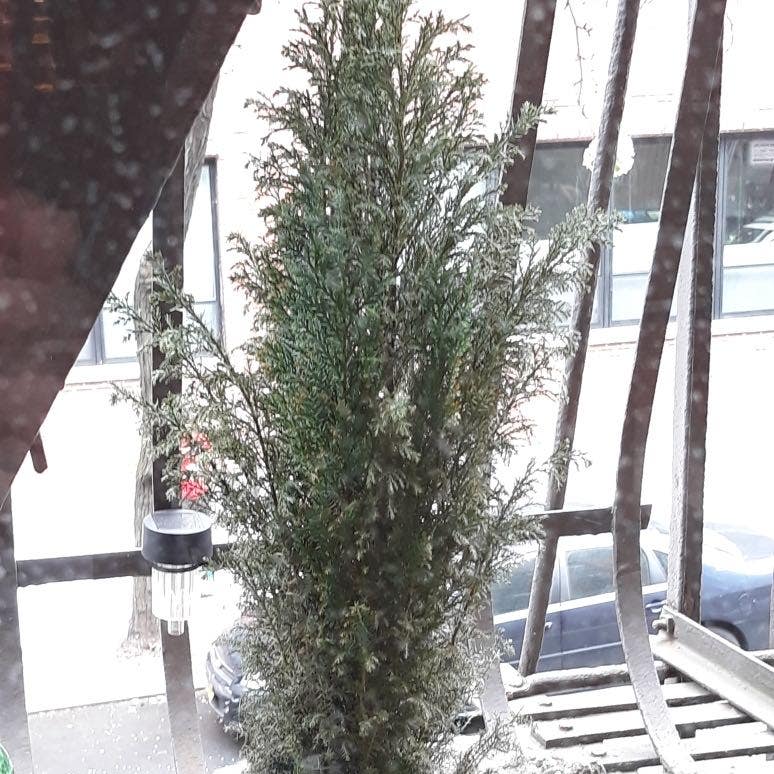
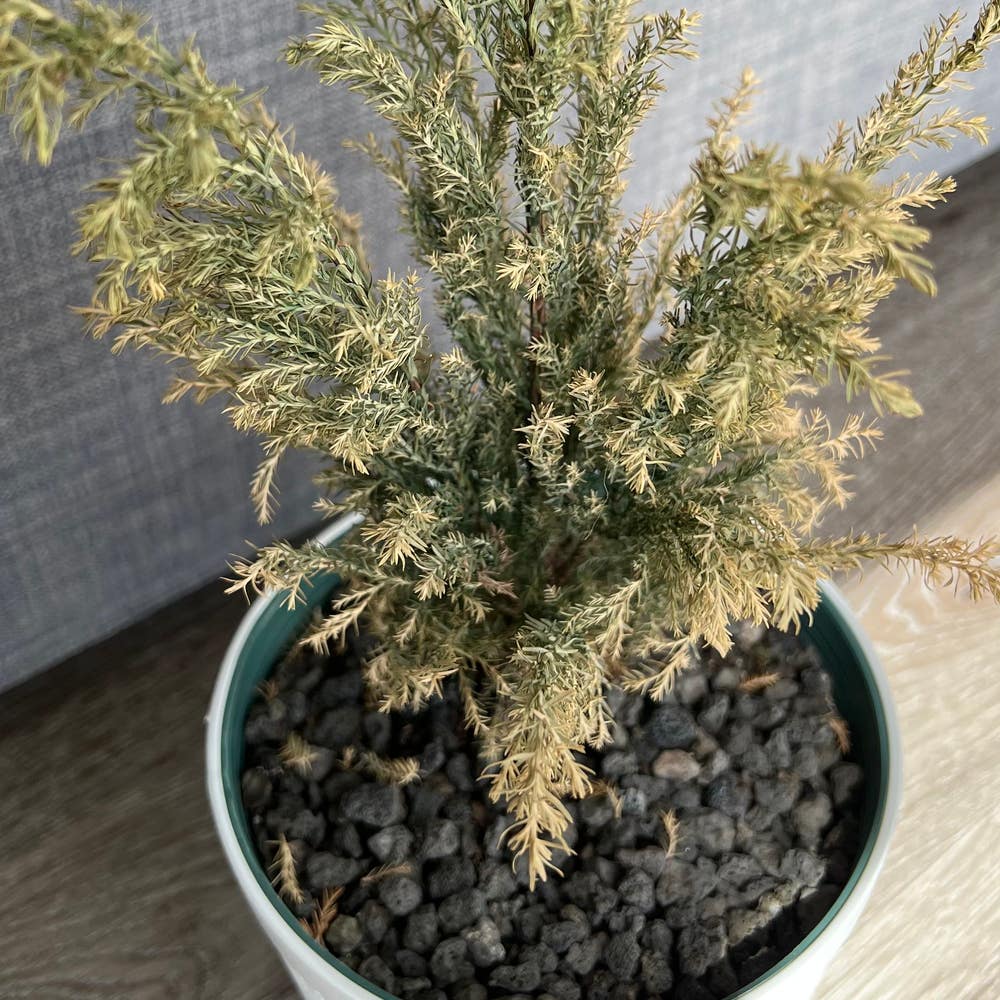
🌲 Mini European Cypress Tree is Not an Invasive Plant
Chamaecyparis lawsoniana 'Ellwoodii'
By the Greg Editorial Team
Oct 16, 2024•5 min read
This article was created with the help of AI so we can cover more plants for you. May contain errors. See one? Report it here.
Elevate your garden with the Mini European Cypress Tree 🌳—a beautiful, non-invasive choice that nurtures local ecosystems!
- 🌳 Mini European Cypress is non-invasive, making it a safe garden choice.
- 🌼 Supports local wildlife by providing shelter and attracting pollinators like bees.
- 💧 Ideal for water conservation, thriving in well-drained soils and dry environments.
Plant Classification
Definition of Invasive Species 🌱
Invasive species are plants that exhibit certain characteristics making them problematic in new environments. They typically show rapid growth and spread, disrupt local ecosystems, and compete aggressively with native species.
Why Mini European Cypress Tree is Non-Invasive 🌳
The Mini European Cypress Tree stands out for its slow to moderate growth rate. Its non-invasive root system ensures it doesn't disrupt surrounding plants, making it a gentle addition to any garden.
Comparison to Invasive Species 🌼
Unlike invasive species, the Mini European Cypress lacks aggressive spreading tendencies. It coexists peacefully with native flora, without outcompeting them for resources.
This unique growth behavior makes it an ideal choice for gardeners looking to enhance their landscapes without harming local ecosystems.
As we explore its growth habits, you'll see how this tree fits beautifully into garden designs while maintaining its non-invasive nature.
Growth Habits
Typical Growth Patterns in Gardens 🌱
The Mini European Cypress Tree exhibits a slow to moderate growth rate, typically reaching heights of 3 to 5 feet. Its dense, evergreen foliage ensures that it remains visually appealing throughout the year, making it a favorite in many garden designs.
Natural Limits to Growth and Spread Potential 🌳
This tree thrives in well-drained soils and full sun, which are ideal conditions for its growth. However, it prefers dry environments and is susceptible to overwatering, making careful watering essential.
The non-invasive nature of the Mini European Cypress Tree means it won't spread uncontrollably. This characteristic allows gardeners to enjoy its beauty without worrying about it overtaking other plants in the landscape.
Incorporating this tree into your garden can enhance its aesthetic without compromising local ecosystems. As we explore its ecological role next, you'll see how it contributes positively to garden environments.
Ecological Role
🌿 Benefits in Gardens and Ecosystems
The Mini European Cypress Tree plays a vital role in supporting local wildlife. It provides essential shelter for birds and beneficial insects, creating a safe haven in your garden.
Additionally, this tree serves as a food source for various species. Its dense foliage offers protection while also attracting insects that contribute to the ecosystem.
🐝 Positive Interactions with Local Wildlife
One of the standout features of the Mini European Cypress Tree is its ability to attract pollinators. The flowers can draw in bees and butterflies, enhancing the vibrancy of your garden.
Moreover, this tree enhances biodiversity. By supporting a balanced ecosystem, it fosters a thriving environment for both plants and animals, making your garden a lively habitat.
Incorporating the Mini European Cypress Tree not only beautifies your space but also contributes positively to the local ecosystem. As we explore garden management next, consider how this tree can fit seamlessly into your landscape design.
Garden Management
Incorporating Mini European Cypress Tree into Garden Designs 🌳
The Mini European Cypress Tree is a fantastic addition to any garden. Use it as an accent plant in formal gardens to create a striking focal point.
You can also create hedges or borders for structure. This not only adds visual interest but also defines spaces within your garden.
Growth Control Methods for Aesthetic Purposes ✂️
To maintain the desired shape and size, regular pruning is essential. This tree is easy to trim, making it a manageable choice for gardeners.
Consider spacing when planting. Aim for at least 2-3 feet apart to ensure proper air circulation and healthy growth.
Incorporating these strategies will help you enjoy the beauty of the Mini European Cypress Tree while keeping your garden looking its best.
As you plan your garden, think about how this tree can enhance your landscape design and contribute to a thriving ecosystem.
Comparison to Other Plants
🌱 Similar Non-Invasive Plants
When considering non-invasive alternatives to the Mini European Cypress Tree, two noteworthy options come to mind: the Italian Cypress and the Dwarf Alberta Spruce.
Italian Cypress: This plant offers a taller profile while maintaining a similar aesthetic appeal. Its slender form adds elegance to any garden, making it a popular choice for vertical accents.
Dwarf Alberta Spruce: Compact and evergreen, this plant serves as an excellent alternative for smaller spaces. Its dense foliage provides a lush look without overwhelming the landscape.
✨ Unique Qualities of Mini European Cypress Tree
The Mini European Cypress Tree stands out for its compact size and low water requirements. This makes it an ideal choice for gardeners looking to conserve resources while still enjoying a vibrant landscape.
Additionally, its dense foliage ensures year-round visual interest. Whether in a formal garden or a casual backyard, this tree adds a touch of greenery that persists through all seasons.
Incorporating the Mini European Cypress Tree into your garden not only enhances its beauty but also supports sustainable gardening practices. As we explore garden management techniques next, you'll discover how to make the most of this remarkable plant.
Legal and Environmental Considerations
Relevant Classifications and Guidelines 🌱
When planting the Mini European Cypress Tree, it's essential to check local regulations regarding non-invasive plant classifications. Many regions have guidelines that promote the use of non-invasive species to protect local ecosystems.
Understanding these regulations helps ensure that your gardening choices align with environmental best practices. Always consult local gardening resources or extension services for the most accurate information.
Fit within Sustainable Gardening Practices ♻️
Using non-invasive plants like the Mini European Cypress Tree supports local ecosystems. These plants coexist harmoniously with native species, fostering a balanced environment.
Additionally, they reduce the need for chemical interventions, promoting healthier soil and air quality. By incorporating these trees into your garden, you contribute to biodiversity and sustainable landscape design.
Incorporating non-invasive plants not only beautifies your space but also nurtures the environment. This thoughtful approach to gardening leaves a positive impact on both your garden and the surrounding ecosystem.
As we explore the next section, consider how these trees can enhance your garden's design while supporting ecological health.
⚠️ Safety First
This content is for general information and may contain errors, omissions, or outdated details. It is not medical, veterinary advice, or an endorsement of therapeutic claims.
Always consult a qualified healthcare professional before using any plant as food, medicine, or supplement.
Never eat any plant (or feed one to pets) without confirming its identity with at least two trusted sources.
If you suspect poisoning, call Poison Control (800) 222-1222, the Pet Poison Helpline (800) 213-6680, or your local emergency service immediately.
Spotted an error? Please report it here.
Enhance your garden with the Mini European Cypress Tree 🌲, a non-invasive beauty that thrives with Greg's personalized care tips and reminders for a lush, sustainable landscape!