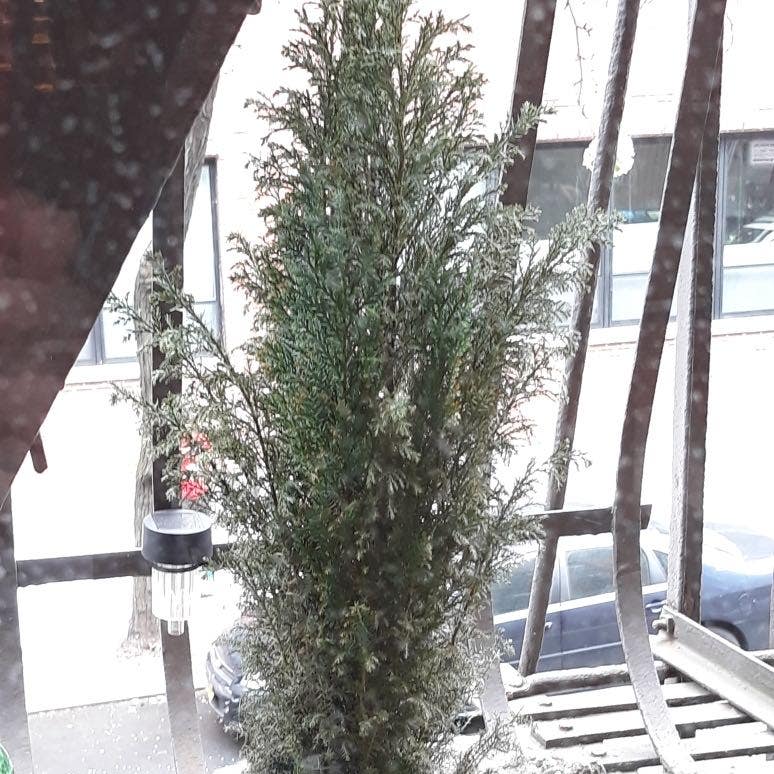
Why Are My Lawson Cypress Leaves Droopy?
Chamaecyparis lawsoniana 'Ellwoodii'
By the Greg Editorial Team
Jun 18, 2024•5 min read
This article was created with the help of AI so we can cover more plants for you. May contain errors. See one? Report it here.
Revive your Lawson Cypress by understanding the distress behind droopy leaves. 🌲🆘
- Over/underwatering and temperature swings lead to droopy Lawson Cypress leaves.
- Well-draining soil and balanced pH are crucial for leaf vitality.
- Consistent care and monitoring prevent future droopiness and maintain health.
Spotting the Droop: Identifying the Problem
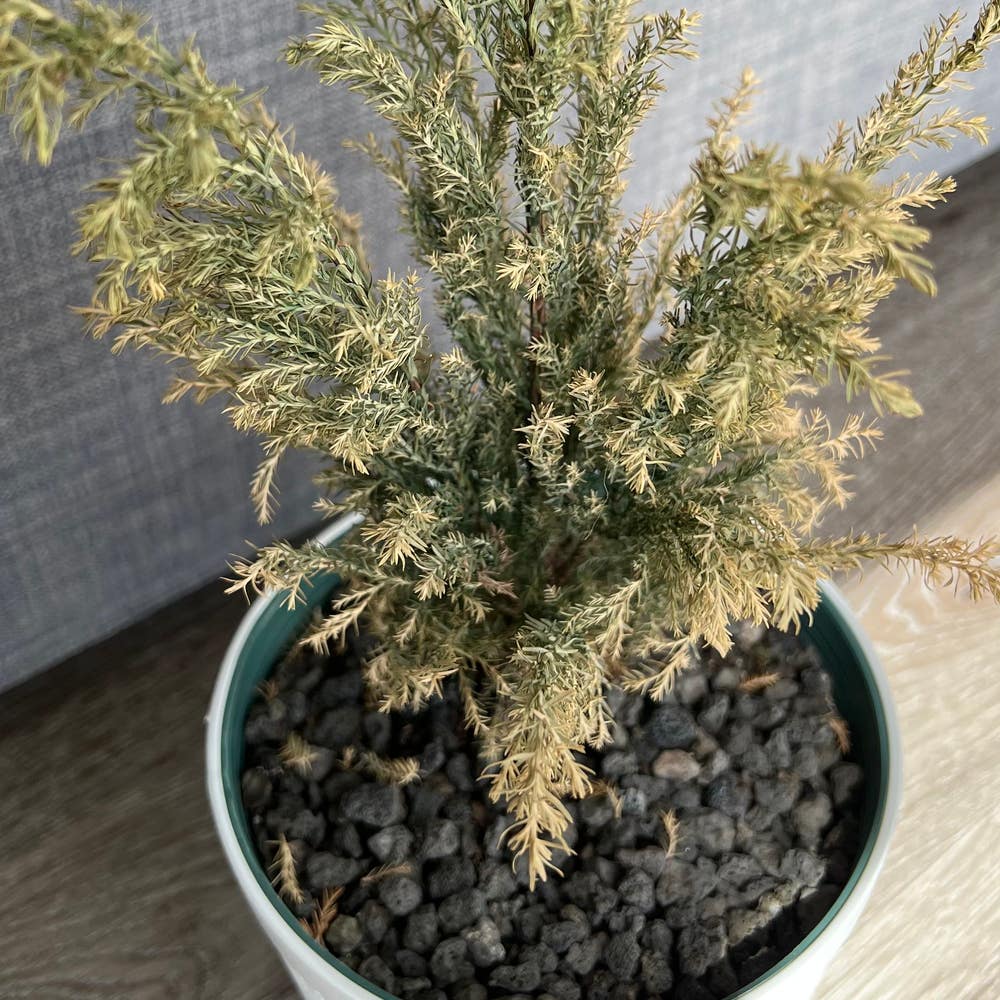
🌲 Visual Cues: What Does Droopiness Look Like in Lawson Cypress?
Droopy Lawson Cypress leaves hang limply, a stark contrast to their usual perky posture. The foliage may appear faded, signaling a lack of vigor. This isn't just a bad leaf day; it's a cry for help.
Assessing Severity: When is Droopiness a Sign of Distress?
When droopiness is consistent, it's more than a temporary slump—it's a symptom of underlying stress. If the tree perks up at night but droops by day, it's likely thirsty. But if it's perpetually down, consider it a red flag. Keep an eye out for other signs like yellowing or needle loss, which can escalate the urgency for intervention.

Rooting Out the Causes of Droopiness
💧 Water Woes
Overwatering can turn your Lawson Cypress into a sopping mess. Look for yellowing leaves that feel more like a wet sponge than a plant. If the roots smell worse than forgotten gym socks, it's time to dial back the H2O and improve drainage.
Underwatering leaves your plant gasping for a drink. Tips turning yellow and growth that's slower than a snail on a lazy day are your plant's way of crying out for water. Deep watering until it runs free from the drainage hole, followed by a dry spell, is the hydration dance you need to master.
🌡️ Climate Culprits
Temperature can make or break your Lawson Cypress. Leaves drooping like they just can't even could mean your plant is not vibing with its current climate. Keep it away from the drama of temperature swings and drafts.
Humidity is the secret sauce to leaf vitality. Aim for a steady level, like your trusty morning routine, to keep leaves from throwing a fit. Too dry, and they'll shrivel; too moist, and they'll wilt.
🌱 Soil Situations
Drainage is key. Waterlogged soil is a one-way ticket to droopy leaf town. Ensure your soil is more like a well-draining hiking path than a muddy bog.
Soil pH can mess with nutrient uptake, leaving leaves looking lackluster. Keep the pH balanced like a good diet—too acidic or too alkaline, and your plant's health could wobble like a fad diet.

Turning the Tide: Solutions for Uplifting Leaves
💧 Watering Wisdom
Finding the sweet spot for watering your Lawson Cypress is crucial. Overwatering leads to soggy, sad leaves, while underwatering results in a droopy demeanor. Wait until the soil feels dry before watering, and then do so thoroughly. This mimics natural rainfall, giving roots the moisture they crave without causing a swampy situation.
🌡️ Environmental Equilibrium
Stabilizing temperatures is key to preventing leaf droop caused by thermal shock. Shield your Lawson Cypress from extreme temperature swings by placing it in a location that avoids the brunt of midday heat or frosty chills. For humidity, think Goldilocks again: not too dry, not too moist. Use a humidifier or dehumidifier to maintain that just-right moisture level in the air.
🌱 Soil Savvy
Poor drainage is a root's nightmare. To keep your Lawson Cypress's feet dry, ensure your soil mix is well-draining. Add perlite or sand to the mix to improve water flow. Balancing soil pH is like tuning a guitar; it needs to be just right for the best sound—or in this case, leaf health. Test your soil's pH and adjust as needed to ensure your plant can access the nutrients it needs.

Keeping Leaves Perky: Prevention and Maintenance
🌿 Consistent Care: The Backbone of Plant Health
Consistency is your Lawson Cypress's best friend. Like clockwork, establish a care routine that caters to its needs. Watering should be as predictable as your morning alarm, and light exposure as regular as your daily commute.
👀 Vigilant Monitoring: The Plant Detective's Role
Keep your eyes sharp. Any sign of a droop should set off your inner alarms. Is the foliage less vibrant than a neon sign? Time to adjust your care tactics. Monitoring is like being a plant detective, always on the lookout for the slightest change.
🏋️ Proactive Practices: The Plant's Personal Trainer
Think of yourself as a personal trainer for your Lawson Cypress. Regular adjustments in care are like tweaking a workout routine. Rotate the plant for even light exposure, and ensure the soil is as well-draining as a sieve. Fertilize, but think of it as a supplement, not a feast.
💧 Soil and Water: The Dynamic Duo
Your plant's soil should be the epitome of a cozy, well-maintained habitat. Watering is an art—aim for the Goldilocks zone, not too much, not too little. Use tools like a moisture meter to avoid the guesswork. It's like having a fitness tracker but for your plant's hydration levels.
🌡️ Environmental Stability: The Comfort Zone
Keep temperatures and humidity as stable as a sitcom's laugh track. Sudden changes are as welcome as a snowstorm in July. If you're dealing with indoor plants, think of air circulation as the plant's personal space—vital and invigorating.
✂️ Pruning and Cleanliness: The Spa Treatment
Regular pruning is like giving your plant a haircut, keeping it in shape and preventing any unwanted droopiness. Wipe down leaves with a damp cloth for a mini spa day, ensuring they're as clean as a whistle. It's not just about aesthetics; it's about health.
🌱 The Long Game: Prevention Over Cure
Ultimately, prevention is about playing the long game. It's a commitment, like sticking to a fitness regimen or a healthy diet. By establishing routines and staying vigilant, you're not just keeping those leaves perky; you're ensuring your Lawson Cypress thrives for seasons to come.
⚠️ Safety First
This content is for general information and may contain errors, omissions, or outdated details. It is not medical, veterinary advice, or an endorsement of therapeutic claims.
Always consult a qualified healthcare professional before using any plant as food, medicine, or supplement.
Never eat any plant (or feed one to pets) without confirming its identity with at least two trusted sources.
If you suspect poisoning, call Poison Control (800) 222-1222, the Pet Poison Helpline (800) 213-6680, or your local emergency service immediately.
Spotted an error? Please report it here.
Ensure your Lawson Cypress stays vigilant and vibrant 🌲 with Greg's personalized reminders to perfect your plant's moisture and environment, warding off any droopiness.