5 Indoor Garlic Care Dos and Don'ts
Allium sativum
By the Greg Editorial Team
Jul 22, 2024•6 min read
This article was created with the help of AI so we can cover more plants for you. May contain errors. See one? Report it here.
Nurture gourmet garlic at home 🌱 with this ultimate guide to perfecting indoor growing conditions!
- 🌱 14-16 hours of light daily for thriving indoor garlic.
- 💦 Water deeply, but infrequently; avoid wet foliage.
- 🌡️ Keep temperatures 60°F-75°F and humidity 50-75%.
Optimal Lighting
Understanding Indoor Light Needs
🔆 Garlic thrives when basked in generous light, a non-negotiable for robust growth. Indoors, achieving the right light levels can be a balancing act—too little and the plant stretches weakly towards any light source, too much and it may suffer.
- Garlic requires full sun, translating to around 14-16 hours of light per day.
- Indoor light levels must mimic these conditions for garlic to produce strong, flavorful bulbs.
Choosing and Using Grow Lights
💡 Selecting an effective grow light ensures your garlic doesn't miss out on the sun's benefits. Here's how to get it right:
- Opt for full-spectrum LED lights to closely replicate sunlight while minimizing heat stress.
- Place grow lights about 12-16 inches above the garlic plants to provide adequate coverage without overheating.
Dos and don'ts for grow light use:
- Do use grow lights as a supplement to natural light whenever possible.
- Do adjust light intensity with the changing seasons—less in summer, more in winter.
- Don't rely solely on grow lights; try to provide some natural light to complement the artificial.
- Don't leave grow lights on continuously; aim for the garlic's natural preference of 14-16 hours of light per day.
Watering and Soil Essentials
💧 Watering Dos and Don'ts
Garlic plants are sensitive to their watering schedule, requiring a delicate balance to avoid stress. Here's how to get it right:
- Aim for 1/2 to 1 inch of water per week, supplementing rainfall as needed.
- Check soil moisture 4 inches deep; water when dry.
- Water deeply but infrequently to encourage strong root growth.
- Avoid wetting foliage to reduce disease risk.
- Allow soil to dry slightly between watering sessions.
🌱 Soil Selection and Care
The right soil sets the stage for a healthy garlic plant. Follow these tips for soil success:
- Choose well-draining soil rich in organic matter.
- For containers, opt for a light potting mix; raised beds benefit from a specialized blend.
- Amend sandy or clay soils with organic matter to improve texture and moisture balance.
- Prior to planting, prepare the soil with compost or a suitable garden mix.
- Avoid compacted soils to prevent waterlogging and ensure proper root development.
Climate Control
🌡️ Temperature Requirements
Garlic thrives in stable conditions, so maintaining a consistent temperature is crucial. Aim for a range between 60°F to 75°F (15.6°C to 23.9°C), which mirrors the temperate climates garlic naturally prefers.
- Use a thermometer to monitor indoor temperatures, ensuring they stay within this ideal range.
- Protect your garlic from drafts and direct heat sources that could cause sudden temperature fluctuations.
💧 Managing Humidity
Garlic's health is significantly influenced by the right humidity levels. It prefers a relative humidity range of 50-75%, which supports robust bulb formation and plant vitality.
- Employ a hygrometer to keep tabs on humidity levels, placing it near your plants but away from direct sunlight and drafts.
- If humidity is too low, consider using a pebble tray or humidifier to increase moisture.
- For high humidity, improve air circulation with fans or open windows to prevent the onset of pests and diseases.
- Remember to adjust your strategies with the changing seasons to maintain this balance.
Fertilization Techniques
When and How to Fertilize
Garlic, like many indoor plants, has specific fertilization needs.
Begin fertilizing when you see active growth, usually in the early stages after planting.
Use a balanced, water-soluble fertilizer every few weeks during the growing season.
Dilute the fertilizer more than the package suggests to prevent overfeeding.
🌱 Common Fertilization Mistakes
Over-fertilization is a common pitfall that can lead to nutrient burn, characterized by brown, wilted leaves.
To avoid this:
- Conduct regular soil tests to monitor nutrient levels.
- Follow a fertilization schedule tailored to garlic's growth phase, reducing frequency in the winter.
- Ensure even distribution of fertilizer to prevent nutrient hotspots.
Always water your garlic thoroughly after applying fertilizer to help distribute nutrients and prevent root burn.
Remember, less is often more when it comes to plant nutrition.
Preventing Common Problems
🐜 Pest Prevention
Garlic grown indoors isn't immune to uninvited guests like spider mites and aphids. To keep these pests at bay:
- Regularly inspect your garlic plants for early signs of infestation, such as webbing or damaged leaves.
- Use insecticidal soap or neem oil as a first line of defense if pests are detected.
- Increase humidity around your plants when possible, as spider mites prefer dry conditions.
- Introduce beneficial insects, such as ladybugs, to naturally control aphid populations.
- Keep your gardening tools clean to prevent the spread of pests from plant to plant.
🦠 Disease Management
Fungal diseases can be the bane of indoor garlic plants, with root rot being a common culprit. To manage diseases:
- Ensure your garlic is planted in well-draining soil to avoid overly moist conditions that fungi favor.
- Maintain good air circulation around your plants; this can be as simple as a gentle fan in the room.
- Avoid wetting the foliage when watering, as this can increase the risk of fungal diseases.
- At the first sign of disease, remove affected parts of the plant to prevent further spread.
- If necessary, use eco-friendly fungicides, but always as a last resort and according to the product's instructions.
Home Placement and Appearance
🌞 Selecting the Right Spot
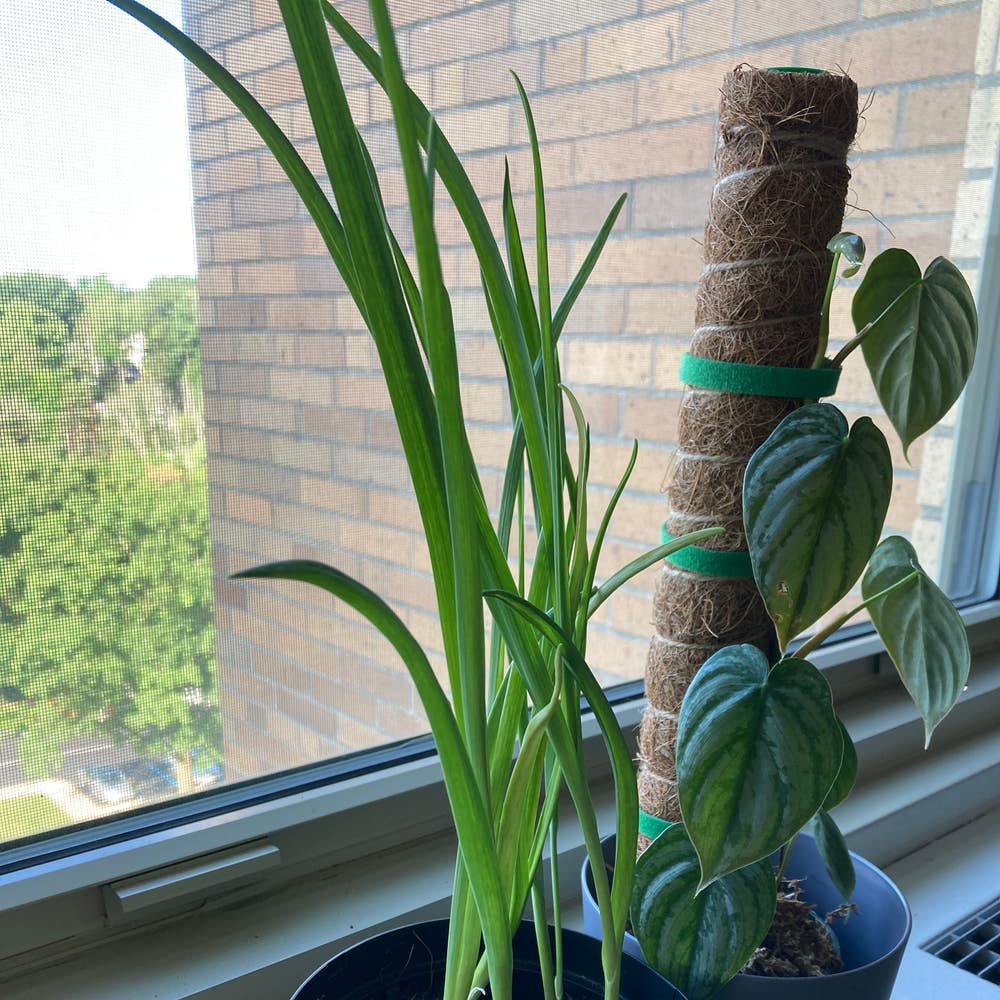
Garlic thrives in a location that mirrors its natural preference for full sun. When growing garlic indoors, aim to replicate these conditions to ensure robust growth.
- Choose a spot near a south-facing window to maximize exposure to natural sunlight.
- If natural light is insufficient, supplement with grow lights, positioning them about 12-16 inches above the plants.
- Avoid areas near heat sources or drafts, as garlic benefits from stable temperatures.
- Consider the container color; lighter shades reflect heat, reducing the risk of soil overheating in warm climates.
✂️ Pruning and Grooming
Regular grooming keeps garlic plants healthy and visually appealing.
- Snip off any brown or yellowing leaves to direct energy towards bulb development.
- Remove the flower stalks, or scapes, to encourage larger bulbs.
- Ensure proper spacing between plants to reduce the risk of disease and allow for adequate air circulation.
- Inspect plants regularly for pests and take prompt action if any are spotted.
⚠️ Safety First
This content is for general information and may contain errors, omissions, or outdated details. It is not medical, veterinary advice, or an endorsement of therapeutic claims.
Always consult a qualified healthcare professional before using any plant as food, medicine, or supplement.
Never eat any plant (or feed one to pets) without confirming its identity with at least two trusted sources.
If you suspect poisoning, call Poison Control (800) 222-1222, the Pet Poison Helpline (800) 213-6680, or your local emergency service immediately.
Spotted an error? Please report it here.
Ensure your indoor garlic thrives 🧄 with Greg's personalized care plan, from light tracking to pest alerts, based on these essential dos and don'ts!