🧄 4 Tips for Light Requirements for Your Allium sativum
Allium sativum
By the Greg Editorial Team
Jul 22, 2024•4 min read
This article was created with the help of AI so we can cover more plants for you. May contain errors. See one? Report it here.
Boost your garlic yield 🌞 with the perfect lighting, indoors or out, for stronger, tastier bulbs!
- 🌞 Full sun is key for robust garlic growth and pest resistance.
- 💡 Indoor garlic needs full-spectrum LEDs or fluorescent bulbs for optimal growth.
- 🌱 Grow lights supplement sunlight, especially in winter or low-light areas.
Optimal Outdoor Lighting
🌞 Full Sun Benefits
Allium sativum, commonly known as garlic, thrives under the generous embrace of full sun. This exposure maximizes photosynthesis, fueling robust growth and ensuring a hearty yield. Full sun conditions lead to stronger plants, which are more resistant to pests and diseases.
🌞 Minimum Sunlight Hours
For Allium sativum to flourish, a minimum of 6 hours of direct sunlight is essential each day. This is the baseline for photosynthesis to occur effectively, supporting the development of the flavorful bulbs garlic is known for. More sunlight correlates with better growth, so aim for 8 hours or more if possible.
Indoor Lighting Strategies
🌞 Mimicking Natural Sunlight
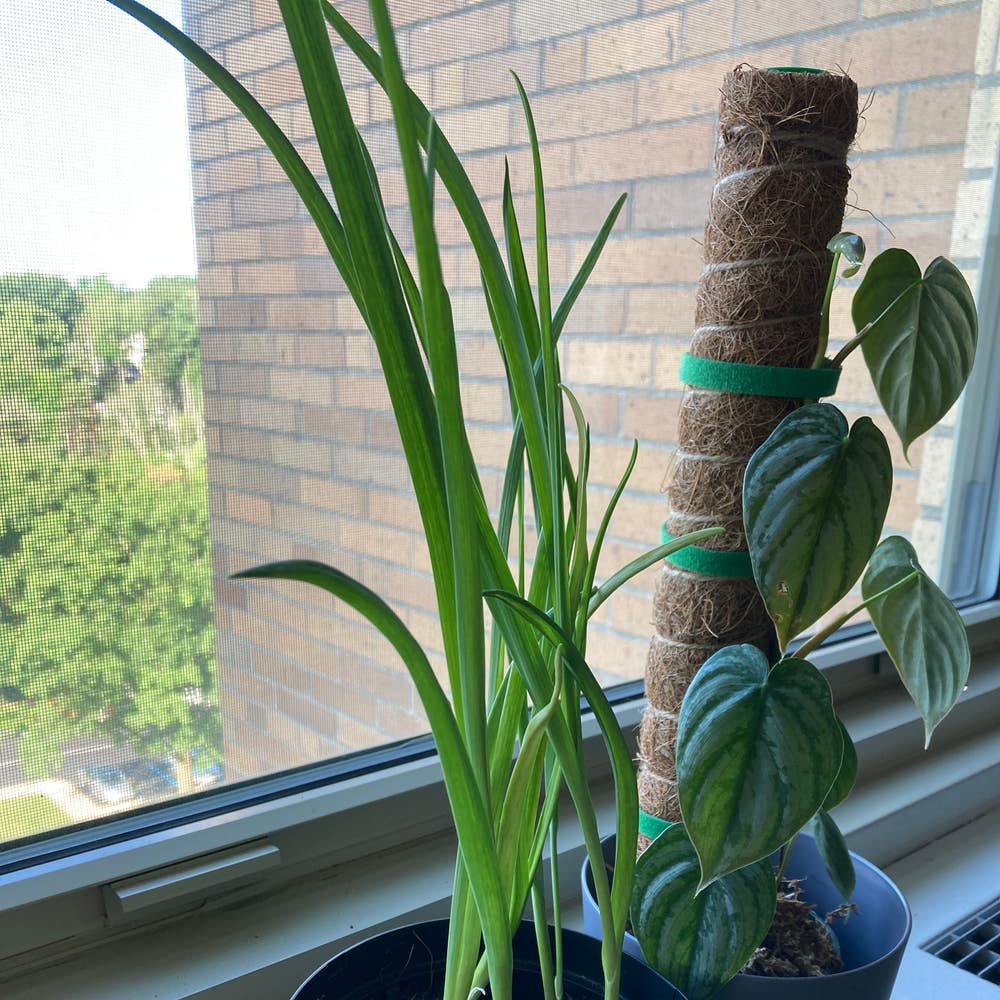
To cultivate Allium sativum indoors, simulating natural sunlight is crucial. Full-spectrum LED or fluorescent bulbs are your allies, offering a balanced light spectrum akin to the sun's rays. Place your garlic close to windows where daylight is abundant, but avoid locations where direct sunlight can scorch the leaves. Remember, consistency is key; maintain a regular light cycle that mirrors the natural day-night rhythm to support your plant's growth.
- Use full-spectrum bulbs for a sunlight-like effect.
- Position plants near windows with ample daylight but out of direct sun.
- Adhere to a consistent lighting schedule.
🌅 Indirect Light Importance
Bright, indirect light is the sweet spot for indoor Allium sativum. Sheer curtains can soften intense sunlight, providing the gentle illumination garlic plants favor. If natural light is scarce, strategically placed mirrors can amplify light without exposing plants to harsh direct rays. Ensure your Allium sativum enjoys this optimal lighting by observing sun patterns and adjusting plant placement accordingly.
- Employ sheer curtains to diffuse strong sunlight.
- Use mirrors to increase light availability.
- Monitor and adjust to changing indoor light conditions.
Supplementing with Grow Lights
Garlic, or Allium sativum, thrives under ample lighting. When sunlight is insufficient, especially indoors, grow lights can be a game changer.
🌟 When to Use Grow Lights
- Look for signs such as elongated stems, pale leaves, or slowed growth, indicating your garlic needs more light.
- During winter months, when daylight hours are short, grow lights can compensate for the lack of natural sunlight.
💡 Choosing the Right Grow Light
- Full-spectrum LED lights are ideal as they mimic natural sunlight and support both vegetative growth and flowering.
- Consider light intensity and ensure the grow light is powerful enough to cover the area where your garlic is growing.
🛠 Setting Up a Grow Light System
- Position the grow light within a foot of the garlic plants to mimic the intensity of direct sunlight.
- Use a timer to maintain a consistent light schedule, simulating natural sunrise and sunset patterns.
Light and Garlic Flowering
🌼 Understanding Flowering Conditions
Garlic, Allium sativum, may not always flower, but when it does, light plays a crucial role. The plant's response to light, alongside temperature, influences whether it will produce a flower stalk, known as a scape. Here's what you need to know:
- Full sunlight can encourage the growth of scapes in garlic, especially when the weather transitions rapidly from cool to warm.
- Some garlic varieties require a period of cold exposure for proper bulb development, after which increasing daylight can induce bolting, leading to scapes with bulbils.
- If your goal is to maximize bulb size, removing the scapes early in their development is recommended, as this redirects the plant's energy from flowering back to bulb growth.
Keep in mind that while flowering can be a fascinating aspect of garlic's life cycle, for culinary purposes, the focus is typically on the bulbs. Managing light exposure and temperature can help control whether your garlic plants will divert energy towards flowering or bulb formation.
⚠️ Safety First
This content is for general information and may contain errors, omissions, or outdated details. It is not medical, veterinary advice, or an endorsement of therapeutic claims.
Always consult a qualified healthcare professional before using any plant as food, medicine, or supplement.
Never eat any plant (or feed one to pets) without confirming its identity with at least two trusted sources.
If you suspect poisoning, call Poison Control (800) 222-1222, the Pet Poison Helpline (800) 213-6680, or your local emergency service immediately.
Spotted an error? Please report it here.
Ensure your garlic thrives with sun-savvy 🌞 reminders from Greg, tailoring light schedules to your specific home environment for robust growth and pest resistance.