Garlic: Not a Perennial Plant
Allium sativum
By the Greg Editorial Team
Jul 22, 2024•6 min read
This article was created with the help of AI so we can cover more plants for you. May contain errors. See one? Report it here.
Maximize your garden's yield 🌱 by mastering garlic's annual growth secrets for a flourishing harvest!
- 🌱 Garlic is an annual plant, completing its life cycle in one season.
- 🔄 Perennials regrow each year; garlic does not, hence it's not perennial.
- 🧄 Misconceptions clarified: Garlic's self-seeding can mimic perennial traits.
Annual vs. Perennial: Garlic's Classification
🏃♂️ Defining Annual Plants
Annual plants, like sprinters in the plant world, complete their life cycle in just one season. They germinate, flower, and die within a year, making a full-circle journey from seed to seed. Garlic fits snugly into this category with its characteristic rapid growth and single-season lifespan.
- Annual plants include:
- Vegetables like beans, peas, and lentils.
- Seasonal flowers often used in gardening.
- Crops that must be replanted each year.
🏃♀️ Defining Perennial Plants
Perennials, on the other hand, are the marathon runners, returning year after year. They boast a longer lifespan, often with a more extensive root system that endures through seasons. Garlic, however, doesn't make the cut as a perennial because it doesn't regrow from the same roots or bulb each year.
- Perennials are characterized by:
- A life cycle that spans several years.
- The ability to survive harsh weather and regrow.
- A shorter blooming period compared to annuals, but a more extended overall life.
Garlic's Growth Cycle
🌱 Planting to Harvest
Garlic begins its journey when individual cloves are planted, each destined to become a new bulb. This process, from planting to bulb formation, typically spans a single growing season. Here's a snapshot of the stages:
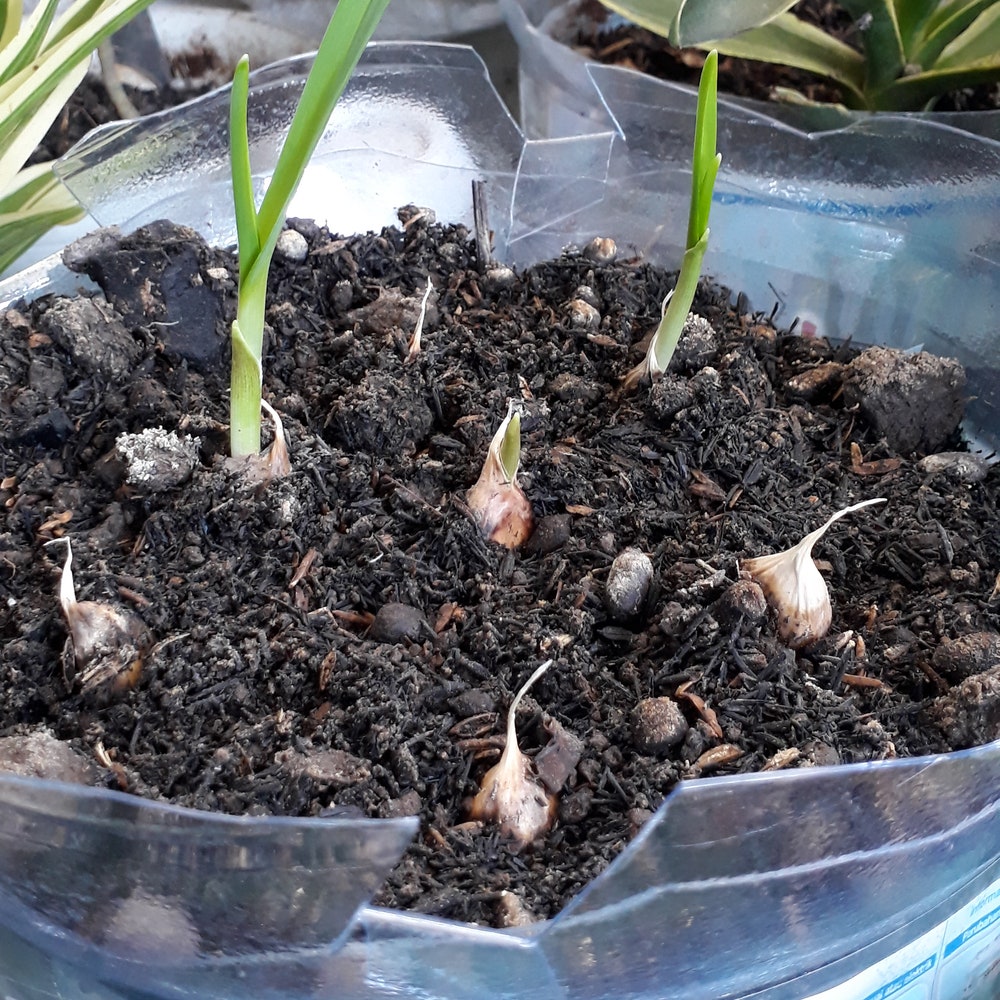
- Germination: Occurs 1-2 months after planting, with green shoots emerging from the soil.
- Vegetative Growth: The plant develops leaves and roots, preparing for bulb formation.
- Bulb Formation: After a period of vegetative growth and vernalization through winter, the garlic develops a bulb in early spring.
- Harvest: Once the leaves yellow, usually around 8 months after planting, the garlic is ready for harvest.
No Regrowth from Roots
Unlike perennials, garlic does not have the ability to regrow from its roots year after year. Here's why:
- Annual Lifecycle: Garlic completes its life cycle within one year, producing seeds and dying off.
- No Dormant Phase: After harvest, the garlic plant does not enter a dormant phase to survive until the next season.
- One-Time Root System: The roots that develop from the planted clove exhaust their energy in forming the new bulb and do not persist beyond the annual cycle.
Garlic's Annual Characteristics
🌱 Rapid Growth and Flowering
Garlic's life cycle is a sprint, not a marathon. It bursts into life, growing swiftly and pushing up green shoots that soon give way to flowers or bulbils. This rapid journey from sprout to bloom within a single growing season is the hallmark of an annual plant. Garlic's ability to complete its life cycle—from planting the clove to harvesting the bulb—within this tight timeframe cements its status as an annual.
⚡ Energy Allocation and Lifespan
Garlic channels all its energy into creating a bountiful bulb in just one season. Unlike perennials, which spread their resources over several years, garlic's strategy is to grow, reproduce, and conclude its life cycle before the year is out. This intense focus on a single burst of growth and reproduction contrasts sharply with the multi-year lifespan and slower resource allocation seen in perennial plants.
Misconceptions and Perennial-Like Behavior
🧄 Debunking Myths
Garlic's lifecycle often leads to misconceptions about its classification. Let's set the record straight: garlic is not a perennial plant. While some believe that garlic can be left in the ground to regrow each year, this is not the case for the common varieties cultivated in gardens. Garlic is planted in the fall and harvested in the summer of the following year, which aligns with the characteristics of an annual plant, not a perennial.
🔄 Perennial-Like Scenarios
There are certain conditions under which garlic may appear to behave like a perennial:
- Self-seeding: If garlic bulbs are left in the soil, they may produce new shoots the following season. However, this is not true regrowth but rather the result of cloves left behind that act as seeds.
- Climate factors: In some climates, garlic may survive beyond a single season if the bulbs are not harvested and the conditions are favorable. This survival is often mistaken for perennial behavior.
- Wild relatives: Wild garlic species, such as Allium vineale (wild garlic or crow garlic), are perennials and can create confusion with cultivated garlic varieties.
Understanding these scenarios helps clarify why garlic, despite occasional perennial-like behavior, is definitively an annual plant.
Advantages of Garlic as an Annual
🌱 Garden Planning and Crop Rotation
Garlic's annual nature allows for strategic garden planning and effective crop rotation. This is crucial for maintaining soil health and preventing pest and disease build-up. Here's how garlic fits into the crop rotation cycle:
- Garlic is typically planted in the fall and harvested by mid-summer, leaving space for a secondary crop.
- Rotating garlic with other crops like tomatoes, leafy greens, or herbs can enhance soil nutrients and disrupt the life cycles of common pests.
🚀 Quick Maturity Benefits
Garlic's rapid growth cycle is a boon for gardeners. It matures quickly, offering several advantages:
- Early harvest allows for succession planting, maximizing garden space and yield.
- Quick maturity means gardeners can enjoy fresh garlic sooner and plan for multiple crop cycles in a year.
Strategies for Garlic Cultivation
🌱 Successive Planting
Garlic's annual cycle offers a unique opportunity for gardeners to practice successive planting, ensuring a continuous supply. Here's how to make the most of your garlic crop:
- Start with Timing: Plant garlic in waves, beginning in the fall and continuing with carefully timed intervals. Use a succession planting calculator to determine the best planting dates based on your local frost schedule.
- Variety Selection: Choose different garlic varieties that mature at varying times to spread out the harvest.
- Intercropping: Plant fast-growing crops like lettuce or spinach between garlic rows. These can be harvested before the garlic needs more space.
- Companion Planting: Sow companion plants such as carrots alongside garlic. They can take over the space once the garlic is harvested, optimizing garden real estate.
🌿 Preservation Techniques
To savor the taste of garlic throughout the year, preservation is key. Here are some effective methods:
- Curing: After harvesting, cure garlic bulbs in a dry, well-ventilated area for several weeks until the skins are papery.
- Braiding: For soft-neck varieties, braid the stems and hang the garlic in a cool, dry place, which can double as a rustic kitchen decoration.
- Freezing: Peel and mince garlic, then freeze it in an ice cube tray with olive oil for easy portioning.
- Pickling: Preserve garlic in vinegar to add a tangy twist to the cloves, perfect for salads and antipastos.
By implementing these strategies, you can extend the enjoyment of your garlic harvest well beyond the growing season.
⚠️ Safety First
This content is for general information and may contain errors, omissions, or outdated details. It is not medical, veterinary advice, or an endorsement of therapeutic claims.
Always consult a qualified healthcare professional before using any plant as food, medicine, or supplement.
Never eat any plant (or feed one to pets) without confirming its identity with at least two trusted sources.
If you suspect poisoning, call Poison Control (800) 222-1222, the Pet Poison Helpline (800) 213-6680, or your local emergency service immediately.
Spotted an error? Please report it here.
Turn your garlic into a bountiful annual yield 🧄 with Greg's personalized planting reminders and expert cultivation tips for every stage from germination to harvest.