Step-by-Step Guide to Understanding Garlic Lifecycle
Allium sativum
By the Greg Editorial Team
Jul 22, 2024•5 min read
This article was created with the help of AI so we can cover more plants for you. May contain errors. See one? Report it here.
From underground clove to kitchen hero 🧄, uncover garlic's growth journey and savor the slow-crafted flavor.
- 🌱 Garlic lifecycle starts with germination, roots before shoots.
- 🧄 Bulb formation signals maturity; harvest when one-third of leaves yellow.
- ⏳ Garlic grows in one season; "How long until fully grown?" answered.
Germination Process
Garlic's journey begins underground with a single clove, which isn't a seed in the traditional sense but a powerhouse ready to sprout. The germination process is a quiet affair, with roots taking the lead before shoots make their appearance.
- Cold Vernalization: Hardneck varieties crave a cold snap to break dormancy, a natural process for fall-planted cloves. Spring planters, take note: your cloves might need a chill in the fridge to mimic this.
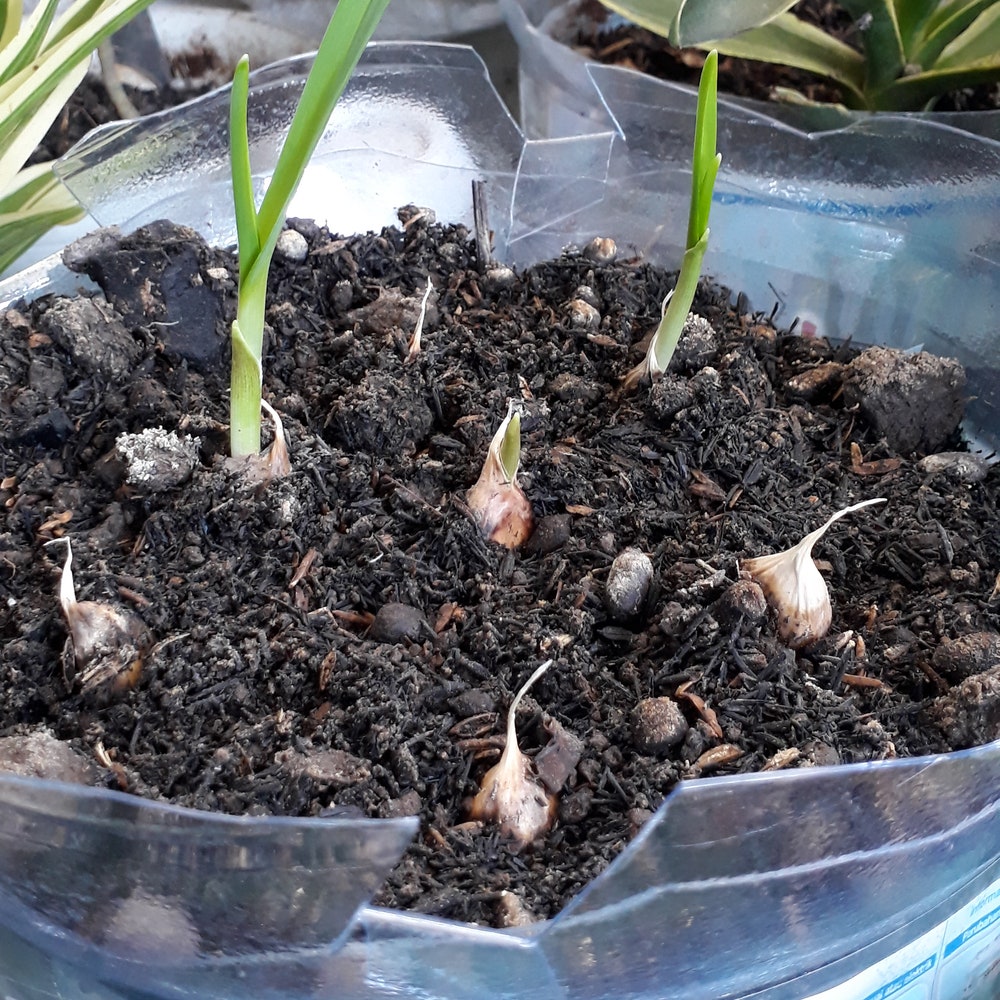
- Timeline: After planting, expect roots to establish quickly, with shoots emerging about a month later. If planted in fall, cloves can snooze up to three months before the green tips signal the start of something big.
- Visual Cues: As roots anchor the clove, watch for the first green shoots piercing the soil, a telltale sign your garlic is on the move. This stage sets the stage for robust growth, with each clove destined to become a full bulb.
Seedling Development
Garlic's journey from a sprout to a robust seedling is a critical phase in its lifecycle. After the initial sprout emerges, the seedling begins to develop distinct characteristics.
- Seedlings display rapid growth, with a green shoot that pushes through the soil surface.
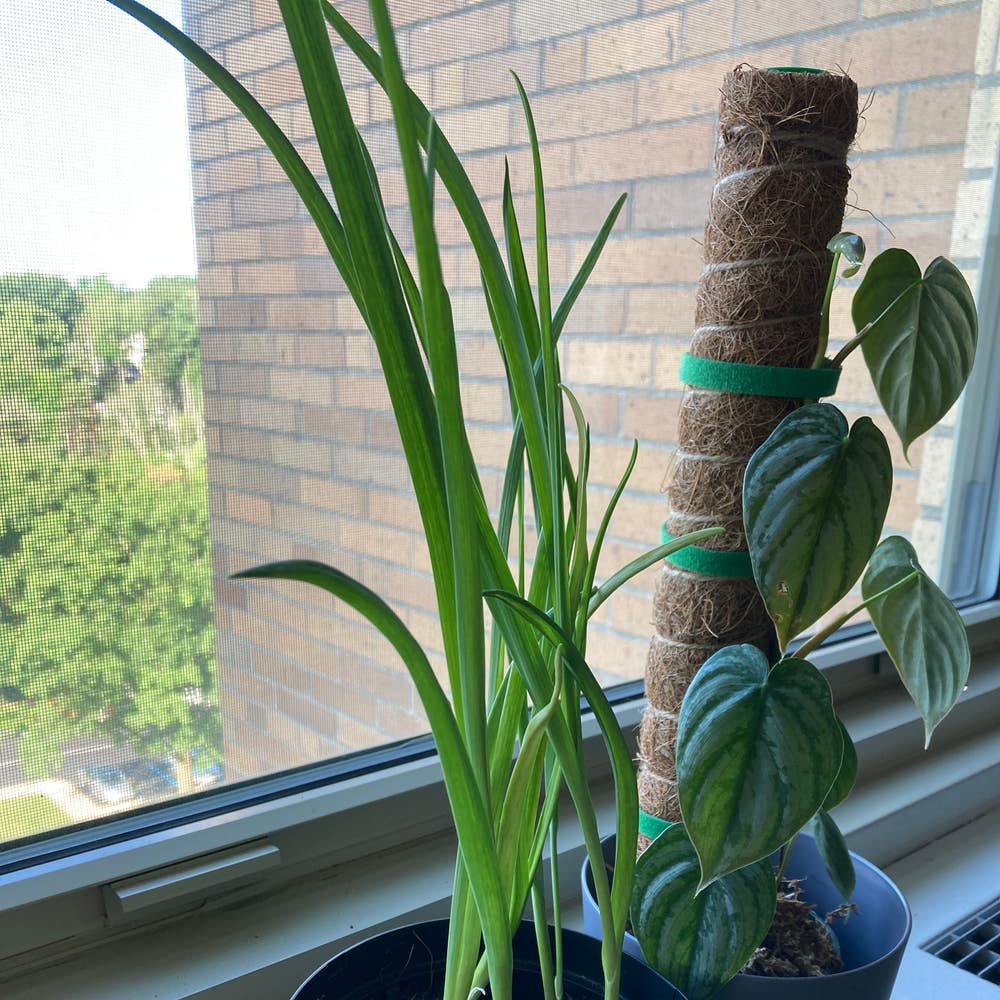
- They typically grow straight up, with slender, grass-like leaves that hint at their onion family ties.
The growth rate of garlic seedlings is influenced by several environmental factors.
- Consistent moisture is crucial, but overwatering can be detrimental.
- Cool soil temperatures, around 50°F to 60°F, are the sweet spot for garlic, promoting healthy development without triggering stress.
During this stage, garlic seedlings are building the foundation for future growth.
- They focus energy on developing a strong root system and increasing leaf count.
- This sets the stage for the next phase of growth, where the plant will begin to prepare for bulb formation and eventual maturation.
Understanding these dynamics is key to nurturing garlic through its formative weeks, steering it toward a successful harvest.
Vegetative Expansion
During the vegetative expansion of garlic, the plant's growth accelerates as it develops its leaf and root systems. This phase is crucial for building the foundation that supports later stages of growth.
- Leaf growth is characterized by the emergence of true leaves, which are larger and more robust than the initial sprouts.
- Root systems expand rapidly, establishing a network of secondary roots that will later support nutrient uptake for bulb formation.
🌱 Key factors that drive this vigorous development include:
- Adequate light, which is essential for photosynthesis and energy production.
- Soil moisture and nutrient availability, which influence leaf width and root growth.
- Temperature and humidity, which can affect the rate of growth and overall plant health.
Recognizing the milestones in vegetative growth helps gardeners anticipate the needs of their garlic plants:
- The appearance of the first true leaves indicates the beginning of the vegetative stage.
- An increase in leaf number and size signifies ongoing vegetative expansion.
- The plant's transition to a more upright growth pattern marks a mature vegetative state, setting the stage for the next phase of the reproductive cycle.
By observing these signs, gardeners can ensure their garlic plants are on track for healthy development and timely maturation.
Bulb Formation
Garlic's bulb formation is a pivotal shift from leafy growth to the development of the part we all savor in the kitchen. This transition is marked by the garlic plant's energy redirection from producing foliage to expanding its underground storage organs – the bulbs.
🔄 Transition from Vegetative Growth
- During this stage, the plant's vegetative growth slows down as resources are allocated to bulb development.
- Environmental cues such as longer daylight hours in late spring to early summer trigger this shift.
🌼 The Role of Scapes and Bulbil Production
- Scapes, the tall flower stalks of garlic, emerge and play a crucial role in the reproductive cycle.
- While many gardeners snip scapes to bolster bulb growth, they can also produce bulbils, which are tiny clones of the original plant.
⏳ Timeframe and Signs of Bulb Maturation
- Bulb maturation typically occurs over several weeks and is influenced by factors like variety and growing conditions.
- Signs of readiness include the drying and browning of the lower leaves, indicating it's nearly time to harvest.
- Maturation time varies, but most garlic types take about 8 to 9 months from planting to reach full growth.
Harvest and Lifespan
Garlic's journey from clove to culinary staple is marked by a distinct maturation time, typically spanning six to nine months. The exact duration hinges on the variety and growing conditions, with hardneck types often ready in mid-summer and softneck types maturing in fall.
- Estimating the right moment to harvest is straightforward: watch for one-third of the leaves to yellow. This visual cue generally appears when the plant has between 7 to 9 leaves, signaling that the garlic bulbs have ceased drawing nutrients and are ready for harvest.
- After cutting the scapes, which are part of the garlic's reproductive cycle, bulbs typically mature in about 20 days, weather permitting.
The lifespan of a garlic plant is a one-season affair, culminating in a harvest that yields both immediate culinary rewards and the potential for future growth.
- Garlic plants are generally harvested once per growing season, but in regions with long growing seasons and sufficient cold, multiple harvests may be possible.
- Once harvested, garlic bulbs can be cured for 7-14 days to extend their shelf life, allowing them to be savored long after the growing season has ended.
In answering how fast garlic grows, it's clear that patience is key. The growth stages unfold over months, but the wait is rewarded with a versatile and storied herb that enhances both gardens and dishes.
⚠️ Safety First
This content is for general information and may contain errors, omissions, or outdated details. It is not medical, veterinary advice, or an endorsement of therapeutic claims.
Always consult a qualified healthcare professional before using any plant as food, medicine, or supplement.
Never eat any plant (or feed one to pets) without confirming its identity with at least two trusted sources.
If you suspect poisoning, call Poison Control (800) 222-1222, the Pet Poison Helpline (800) 213-6680, or your local emergency service immediately.
Spotted an error? Please report it here.
Ensure your garlic thrives through every stage, from sprout to harvest, with Greg's lifecycle tracking 🧄, tailored to give your bulbs the perfect amount of care.