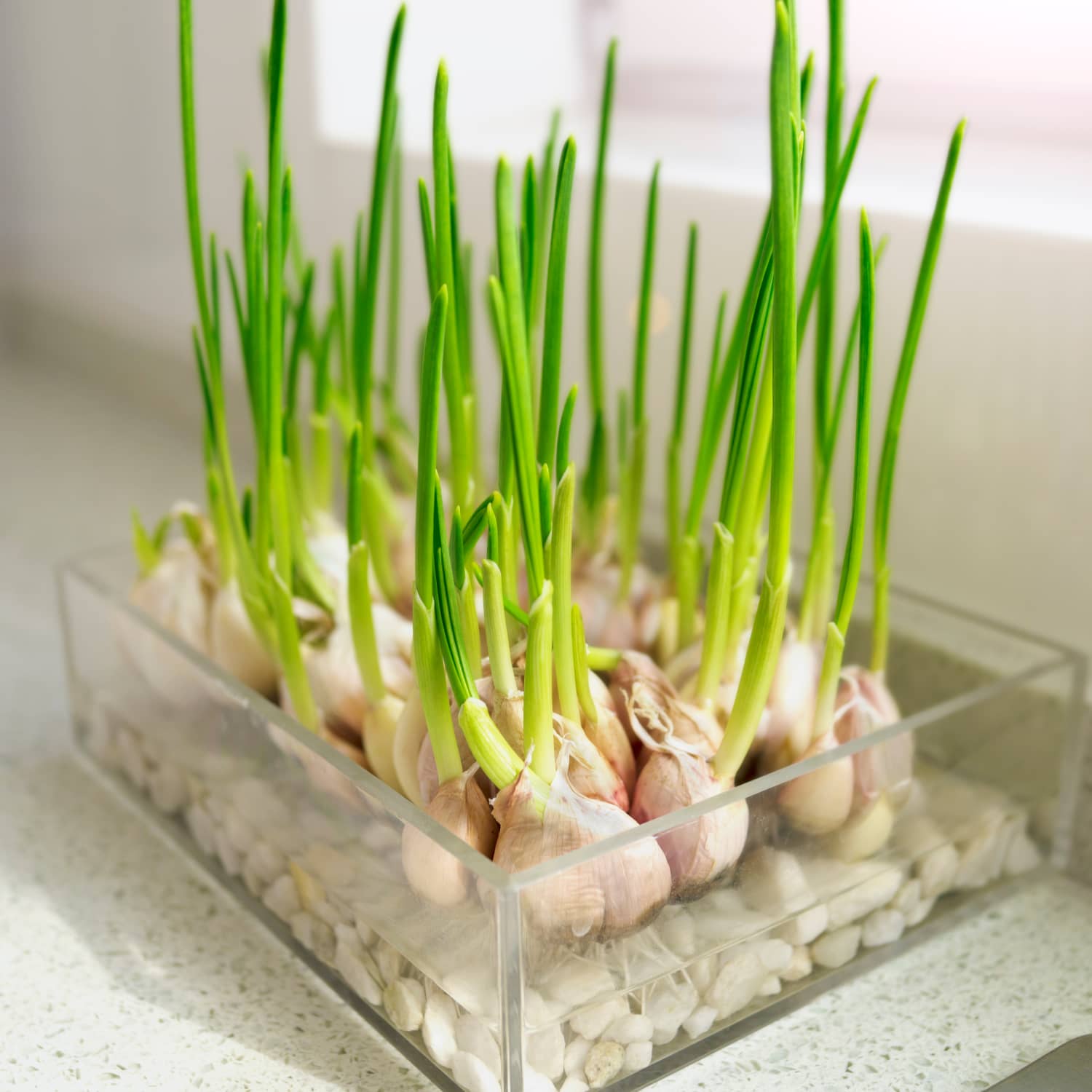
What's Eating Your Garlic
Allium sativum
By the Greg Editorial Team
Jul 22, 2024•7 min read
This article was created with the help of AI so we can cover more plants for you. May contain errors. See one? Report it here.
Garlic isn't just for cookingβit's a garden superhero π±, fostering a thriving ecosystem.
- π¦ Identify and deter common herbivores like deer, rabbits, and squirrels to protect garlic.
- π Beneficial allies like bees are crucial for a balanced garden ecosystem.
- π‘οΈ Use preventive and reactive strategies to maintain garlic health and manage wildlife.
Garlic's Ecological Role
Garlic, with its potent aroma and robust flavor, is more than just a culinary staple; it's a key player in the garden ecosystem. Its presence influences a diverse array of wildlife, from pollinators to herbivores, each interacting with this plant in unique ways.
- Garlic acts as a natural pesticide, deterring certain pests with its bioactive compounds.
- The plant's nutritional profile, rich in potassium and vitamin C, not only benefits human health but also attracts a variety of animals.
Seasonal variations bring shifts in animal attraction to garlic. In spring, the sprouting green shoots may entice herbivores, while flowering in summer draws in pollinators.
- During the dry season, regular irrigation is crucial for garlic, yet stopping water before harvest can prevent unwanted attention from pests.
- The plant's ability to adapt to different environmental conditions, known as "biological elasticity," plays a role in its interactions with the surrounding fauna.
Understanding these dynamics is essential for gardeners aiming to maintain a balance between protecting their garlic and supporting local biodiversity.
Signs of Herbivore Presence
Garlic, with its pungent aroma and robust flavor, isn't just a favorite of chefsβit's also on the menu for various garden critters. Recognizing the signs of their feasting is key to protecting your plants.
- Look for chew marks or missing sections of leaves, which indicate nibbling pests.
- Frass, or insect droppings, near the plant base can be a telltale sign of unwanted visitors.
- Distinctive damage patterns, such as holes or tears in the foliage, can help identify the culprit.
The allure of garlic for herbivores often lies in its tender and juicy parts:
- Young shoots and leaves are particularly vulnerable to animal snacking.
- Garlic bulbs, when not properly covered by soil, can attract underground pests.
- Flowers, though less common in garlic, can also be enticing if present.
By staying vigilant for these signs, gardeners can take timely action to safeguard their garlic.
Common Garlic Herbivores
π¦ Deer
Deer are drawn to the tender shoots of garlic and can cause significant plant damage. They tend to leave behind large, chewed-off sections and tracks around the garden.
- To deter deer, consider planting garlic among other crops as a natural repellent.
- Installing physical barriers like fencing can also be effective.
π Rabbits
Rabbits target young garlic plants, clipping foliage cleanly and leaving behind telltale droppings.
- Encircle your garlic with chicken wire or use natural repellents to manage these herbivores.
- Companion planting with garlic can help protect more vulnerable plants.
πΏοΈ Squirrels
Squirrels are less common garlic pests, but they may dig up bulbs, mistaking them for their buried nuts.
- Use mesh or wire to cover the planting area.
- Sprinkle predator urine around the garden as a deterrent.
π¦ Birds
Birds may peck at garlic plants, especially if they mistake the young shoots for insects.
- Bird netting is a straightforward solution to protect your garlic.
- Scare tactics, such as reflective tape or decoy predators, can also be employed.
π Rodents
Mice and voles are attracted to garlic bulbs and can cause underground damage that's hard to detect until it's too late.
- Trap and release strategies can be humane and effective.
- Planting garlic in raised beds with hardware cloth bottoms can prevent rodents from reaching the bulbs.
𦑠Groundhogs/Woodchucks
Groundhogs or woodchucks may consume large amounts of foliage, often stripping a plant bare.
- Fencing that extends underground can thwart digging.
- Live traps followed by relocation are a common management technique.
Garlic's Effects on Animals
Garlic, while a culinary favorite for humans, can have a different impact on the animal kingdom. Certain compounds in garlic, such as allicin and ajoene, have been found to have pharmacological effects on animals, including domestic pets like dogs and cats. These substances can act as relaxants and vasodilators, but they may also exacerbate conditions like anemia or cause gastrointestinal distress.
- Potential toxic reactions in herbivores:
- Allicin and ajoene can cause relaxation of cardiac and smooth muscles, leading to hypotension.
- Ingesting large amounts of garlic can lead to direct damage to the gastric and ileal mucosa in animals, resulting in discomfort and diarrhea.
- Chronic exposure or high doses may lead to hemolytic anemia, particularly in dogs and cats.
πΏ Balancing the protective benefits of garlic in your garden with the health of local wildlife is a delicate act. While garlic can deter pests and even offer health benefits to certain animals, like horses, it's crucial to consider the potential adverse effects on other wildlife.
- Balancing plant protection with animal health:
- Use garlic strategically in the garden to repel pests without endangering beneficial wildlife or pets.
- Monitor the amount of garlic grown and its accessibility to sensitive animals.
- Consider companion planting to leverage garlic's repellent properties while minimizing the risk of toxic ingestion by herbivores.
Beneficial Garden Allies
π Pollinators
Garlic may not be the belle of the ball when it comes to pollination parties, but bees still play a crucial role in its life cycle. While garlic itself is primarily propagated through cloves, its flowers can attract bees, which are essential for a thriving garden. Here's how bees buzz into the picture:
- Bees, including both European honey bees and native species, are key pollinators for many garden plants.
- While garlic flowers are not the main attraction, they do contribute to the overall health of the pollinator population.
- A diverse garden with garlic can support a healthy bee community, which in turn benefits the entire ecosystem.
π Predators
In the world of gardening, ladybugs and lacewings are like the neighborhood watch. They keep a keen eye out for troublemakers like aphids and mites. Here's why these predators are MVPs in the garlic patch:
- Ladybugs feast on soft-bodied pests that can damage garlic and other plants.
- Lacewings, both in their larval and adult stages, are voracious consumers of garden pests.
- Encouraging these beneficial insects can be as simple as avoiding pesticides and planting companion flowers like marigolds and sunflowers.
By fostering a habitat for these allies, gardeners can enjoy a more balanced and productive ecosystem.
Protecting Garlic from Damage
π‘οΈ Preventive Strategies
Garlic, with its pungent aroma and flavorful bulbs, is a treasure in the garden that you'll want to guard zealously. Preventive strategies are your first line of defense against hungry herbivores.
- Barrier methods: Physical barriers can be highly effective. Consider erecting fencing to deter larger animals like deer and groundhogs. For smaller critters, such as rodents, a fine mesh buried a few inches underground can prevent burrowing.
- Repellents: Natural repellents can also play a role. Planting strong-scented companion plants or applying garlic-infused sprays may help keep pests at bay without harming the ecosystem.
- Cultural practices: Proper garden hygiene is crucial. Remove plant debris to avoid attracting pests and space your garlic appropriately to reduce the risk of disease.
π‘οΈ Reactive Measures
Despite your best efforts, you might still find signs of nibbling on your garlic. Here's how to respond:
- Identify the culprit: Look for bite marks, droppings, or tracks to determine which animal is the offender. This will guide your next steps.
- Reinforce defenses: If barriers were breached, repair them promptly. For persistent pests, consider introducing natural predators or using organic pesticides sparingly.
- Address damage: Trim any affected areas to prevent disease spread and consider rotating your garlic crop next season to a different location to disrupt pest patterns.
Maintaining a Balanced Ecosystem
Creating a garden that respects and enhances the local ecosystem is a rewarding challenge. It's about more than just protecting your garlic; it's about contributing to the health and vitality of the environment.
- Integrating Wildlife-Friendly Practices:
- Choose native plants that offer food and shelter to local wildlife.
- Provide water sources, such as bird baths or small ponds, to attract beneficial species.
- Leave some areas of your garden a little wild to create habitats for insects and small animals.
Biodiversity is the backbone of a resilient garden ecosystem. A diverse array of plants and animals can help control pests naturally and reduce the need for chemical interventions.
- Emphasizing the Importance of Biodiversity:
- Plant a variety of species to create a self-regulating environment.
- Encourage beneficial predators, like ladybugs, to keep harmful insect populations in check.
- Recognize the seasonal ebb and flow of wildlife and adjust your gardening practices accordingly.
By fostering a balanced ecosystem, your garlic and other plants will thrive, and you'll enjoy a garden that's alive with nature's harmony.
β οΈ Safety First
This content is for general information and may contain errors, omissions, or outdated details. It is not medical, veterinary advice, or an endorsement of therapeutic claims.
Always consult a qualified healthcare professional before using any plant as food, medicine, or supplement.
Never eat any plant (or feed one to pets) without confirming its identity with at least two trusted sources.
If you suspect poisoning, call Poison Control (800) 222-1222, the Pet Poison Helpline (800) 213-6680, or your local emergency service immediately.
Spotted an error? Please report it here.