🧄 Step-by-Step Guide to Growing Allium sativum Indoors
Allium sativum
By the Greg Editorial Team
Jul 22, 2024•4 min read
This article was created with the help of AI so we can cover more plants for you. May contain errors. See one? Report it here.
Nurture a bountiful indoor garlic harvest 🌱 with this ultimate guide to perfect growing conditions.
- 🌱 Optimal light and temperature are crucial for indoor garlic growth.
- 💧🌡️ Balance soil moisture and indoor climate for healthy Allium sativum.
- 🧴 Fertilize post-root establishment; watch for pests and diseases.
Optimal Growing Conditions
🌞 Indoor Light Levels
Allium sativum thrives with ample light. Here's how to ensure your indoor garlic gets enough:
- Aim for at least six hours of bright, indirect light daily.
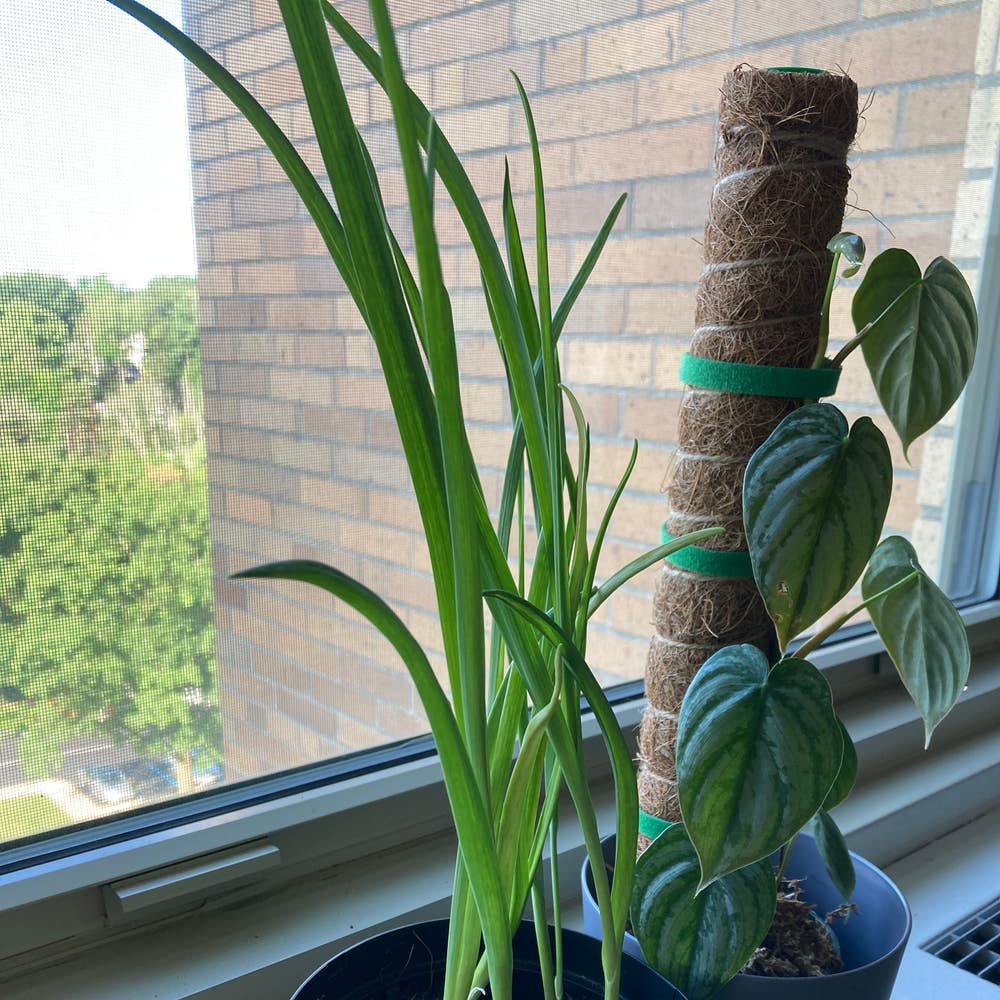
- Place near a south- or east-facing window for the best natural light.
- If sunlight is scarce, supplement with grow lights. Choose full-spectrum bulbs and use a timer for consistent exposure.
💧 Watering and Humidity
Balancing moisture is key to healthy garlic plants:
- Soil should be moist but not waterlogged. Allow the top inch to dry out before watering again.
- Indoor humidity doesn't need to be high, but consistent soil moisture is crucial.
- Use a drip irrigation system or water lightly and regularly to maintain optimal soil moisture.
🌡️ Temperature Considerations
Garlic prefers stable temperatures for robust growth:
- Keep the indoor temperature between 60-80°F (15-26°C) for best results.
- Avoid placing plants near drafts or heat sources to maintain consistent temperatures.
- Monitor the room's temperature and adjust heating or cooling as necessary.
Soil and Nutrition
🌱 Soil Mix Selection
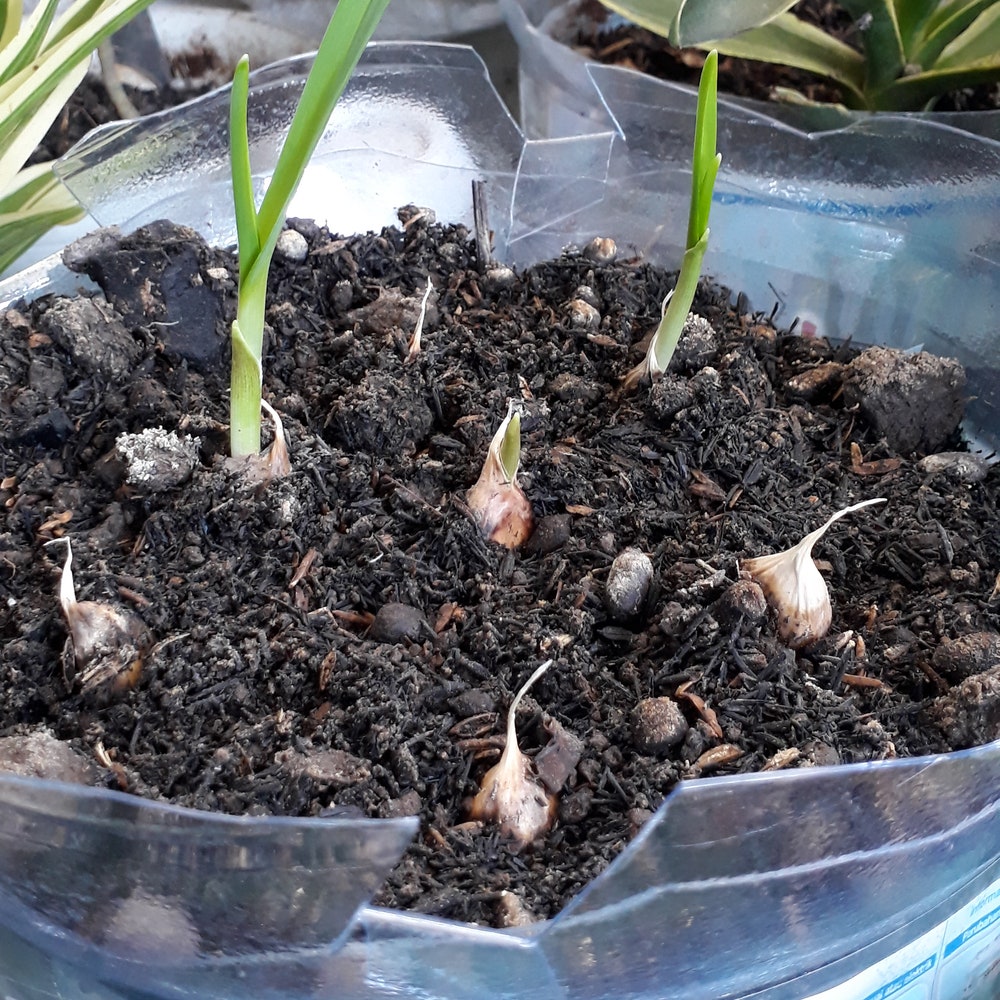
Selecting the right soil mix for your indoor garlic is a game-changer. It's not just about dirt; it's about creating a thriving micro-ecosystem for your Allium sativum. Here's what you need to know:
- Choose a soil that crumbles easily; this indicates good friability which is key for shallow-rooted plants like garlic.
- Aim for a soil rich in organic matter to enhance water retention and ensure proper drainage.
- The ideal soil pH for garlic is between 6.0 and 7.5, so test your soil and adjust accordingly.
💧 Fertilization Schedule
Fertilizing your indoor garlic is like providing a well-balanced diet for optimal health. Here's how to nourish your plants without overdoing it:
- Begin fertilizing with a balanced, water-soluble fertilizer once the garlic has established roots.
- Continue with a regular feeding schedule, but always follow the product's instructions to avoid over-fertilization.
- Remember, moderation is key—too much fertilizer can harm your garlic's growth and bulb development.
Pest Prevention and Health
🐛 Identifying Common Pests
Indoor garlic, Allium sativum, isn't just a culinary delight; it's also quite resilient against pests, thanks to its strong aroma. However, vigilance is key. Here's how to spot trouble before it takes root:
- Look out for tiny, unwelcome guests like aphids, spider mites, and fungus gnats.
- Yellowing leaves or stunted growth can signal an infestation.
To keep these critters at bay:
- Inspect your garlic regularly, especially the undersides of leaves.
- Introduce beneficial insects, like ladybugs, that prey on harmful pests.
🦠 Disease Management
Garlic's pungent scent is a natural deterrent for many pests, but it's not immune to disease. Here's how to maintain a robust indoor garlic plant:
- Prevent fungal diseases by using well-draining soil and avoiding overwatering.
- Rotate your indoor crops if you're growing other Alliums to prevent soil-borne diseases.
And if you suspect a disease:
- Remove and dispose of any affected plant parts immediately.
- Ensure good air circulation around your plants to reduce humidity-related issues.
Maintenance and Care
🌿 Pruning and Cleanliness
Regular upkeep is crucial for the health and aesthetics of your indoor garlic. Pruning not only shapes the plant but also redirects energy to the most vigorous bulbs, ensuring a bountiful harvest. Here's how to keep your Allium sativum in top shape:
- Snip off yellowing or dead leaves to maintain a tidy appearance and prevent disease.
- Dust the leaves occasionally to maximize light absorption, crucial for photosynthesis.
- Trim any spent flower stalks to encourage more robust bulb development.
🌱 Seasonal Adjustments
As the seasons change, so should your care routine for indoor garlic. These adjustments are vital for mimicking the natural growth cycle and promoting vigorous health:
- Reduce watering in the dormant winter months to prevent bulb rot.
- Adjust indoor light levels and temperature to simulate the changing seasons, encouraging natural growth patterns.
- Monitor growth stages and provide the necessary care, such as increased watering and fertilization during active growth periods.
⚠️ Safety First
This content is for general information and may contain errors, omissions, or outdated details. It is not medical, veterinary advice, or an endorsement of therapeutic claims.
Always consult a qualified healthcare professional before using any plant as food, medicine, or supplement.
Never eat any plant (or feed one to pets) without confirming its identity with at least two trusted sources.
If you suspect poisoning, call Poison Control (800) 222-1222, the Pet Poison Helpline (800) 213-6680, or your local emergency service immediately.
Spotted an error? Please report it here.
Ensure your indoor garlic flourishes with Greg's tailored watering reminders 💧 and light tracking, perfectly complementing the tips from this step-by-step guide.