Understanding Why Garlic May Not Flower
Allium sativum
By the Greg Editorial Team
Jul 22, 2024•3 min read
This article was created with the help of AI so we can cover more plants for you. May contain errors. See one? Report it here.
Unlock garlic's blooming potential 🌱 with these key vernalization and planting strategies.
- 🌱 Vernalization is key for garlic to bloom; simulate with cold treatment.
- 🌼 Nutrient balance and sunlight are crucial for robust garlic flowering.
- ✂️ Prune scapes to redirect energy for better bulb growth and flowering.
Bloom Initiation Challenges
❄️ Vernalization Requirements
Garlic's bloom cycle hinges on a cold treatment known as vernalization. This process is essential for initiating flowering in garlic, as it reduces the vegetative stage and prepares the plant for robust blooms. Here's what you need to know:
- Vernalization is not just about cold exposure; it's about the right duration and intensity of cold.
- Without sufficient cold treatment, garlic may not develop the necessary flower primordia.
To achieve successful vernalization:
- Plant garlic before the onset of cold weather to allow natural chilling.
- In warmer climates, simulate cold conditions by refrigerating bulbs before planting.
🌱 Planting Considerations
The way garlic is planted can significantly influence its ability to flower. Consider these factors:
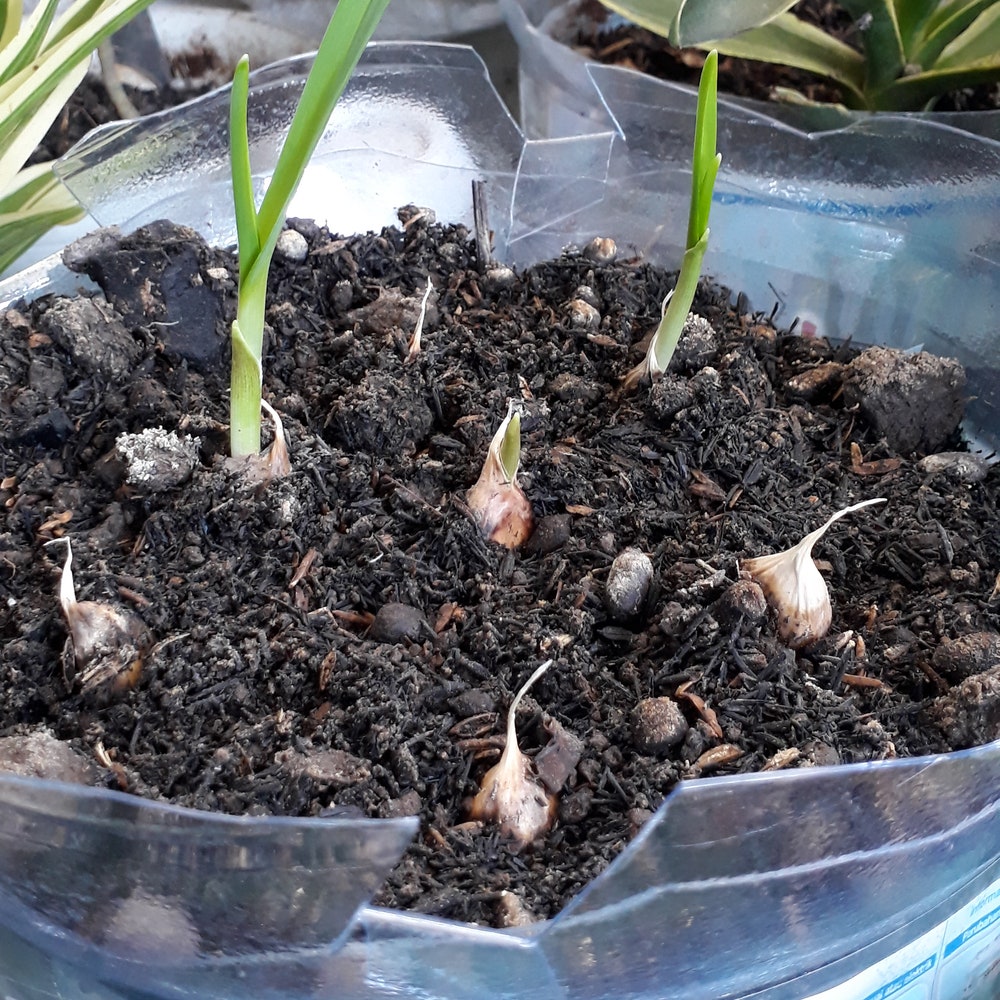
- Planting depth: Garlic cloves should be planted at the right depth to ensure proper insulation and cold exposure.
- Spacing: Adequate space between cloves is vital for individual plant development and eventual flowering.
For optimal planting:
- Plant cloves about 2 inches deep and 6 inches apart.
- Ensure the planting bed is loose and well-drained to facilitate root growth and bulb expansion.
Flower Development Issues
🌿 Nutrient Impact
Garlic's aspirations to bloom are heavily influenced by its nutritional uptake. A balanced diet is key:
- Phosphorus and potassium are particularly vital during the flowering stage, facilitating energy transfer and rooting, and supporting ripening and blooming.
- Nitrogen, while essential, can be a double-edged sword; excessive amounts may encourage leafy growth at the expense of flowers.
Identifying nutrient deficiencies is crucial:
- Signs of nitrogen deficiency include chlorosis of lower leaves and stunted growth.
- A balanced fertilizer, tailored for flowering plants, can correct these deficiencies and promote robust blooms.
🌡️ Environmental Stressors
Temperature and humidity extremes are notorious for disrupting garlic's bloom cycle, causing bud drop or abnormal flowers:
- High temperatures can lead to wilting and reduced flowering potential.
- Conversely, cold snaps may cause browning edges and a general decline in plant vigor.
To mitigate these stressors:
- Maintain consistent environmental conditions during budding phases.
- Employ strategies like mulching to regulate soil temperature and moisture.
- Ensure good airflow and monitor for signs of stress, such as leaf curling or discoloration.
By addressing nutrient imbalances and buffering against environmental extremes, garlic growers can enhance their chances of witnessing a successful bloom cycle.
Cultivation Practices
🌞 Sunlight Exposure
Garlic thrives when it soaks up the sun for at least six hours daily. It's the equivalent of a power charge for the plant, essential for robust flower development. If your garlic is playing hide and seek with the sun, consider moving it to a sunnier spot. Here's how to ensure your garlic gets the sunlight it needs:
- Find a location that receives full sun exposure.
- Monitor the light throughout the day to confirm the spot remains sunny.
- If necessary, transplant to a brighter location to prevent your garlic from languishing in the shade.
✂️ Pruning and Energy Allocation
Pruning garlic scapes is like redirecting traffic in a busy city—energy flows where it's most needed, to the bulbs. Removing these scapes before they flower signals the plant to invest in bulb growth, not seed production. Here's your quick guide to pruning garlic for better blooms:
- Watch for the emergence of scapes and snip them off early.
- Ensure post-pruning care includes adequate watering and weed management.
- Recognize that pruning not only boosts bulb size but also helps prevent diseases by improving air circulation.
⚠️ Safety First
This content is for general information and may contain errors, omissions, or outdated details. It is not medical, veterinary advice, or an endorsement of therapeutic claims.
Always consult a qualified healthcare professional before using any plant as food, medicine, or supplement.
Never eat any plant (or feed one to pets) without confirming its identity with at least two trusted sources.
If you suspect poisoning, call Poison Control (800) 222-1222, the Pet Poison Helpline (800) 213-6680, or your local emergency service immediately.
Spotted an error? Please report it here.
Ensure your garlic flowers flawlessly 🌱 by leveraging Greg's custom reminders for vernalization and nutrient balance, plus community insights for any blooming challenges.