🧄 Ultimate Guide to Direct Sunlight for Allium sativum
Allium sativum
By the Greg Editorial Team
Jul 22, 2024•4 min read
This article was created with the help of AI so we can cover more plants for you. May contain errors. See one? Report it here.
Boost your garlic's growth 🌞 by nailing the perfect sun exposure!
- 🌞 Direct sunlight is crucial for Allium sativum's growth and bulb development.
- 🌱 Monitor for vibrant leaves and sturdy stalks to ensure adequate sunlight.
- 🔄 Adjust position with seasons to maintain optimal sunlight without overexposure.
Sunlight Simplified
🌞 Defining Direct Sunlight
Think of direct sunlight as the sun's rays landing straight on your garlic plants, like a spotlight on a stage. It's intense and unfiltered, capable of creating sharp shadows. This contrasts with indirect sunlight, which is like the soft light that filters through a curtain, gentle and diffused.
🌱 Allium sativum's Sunlight Needs
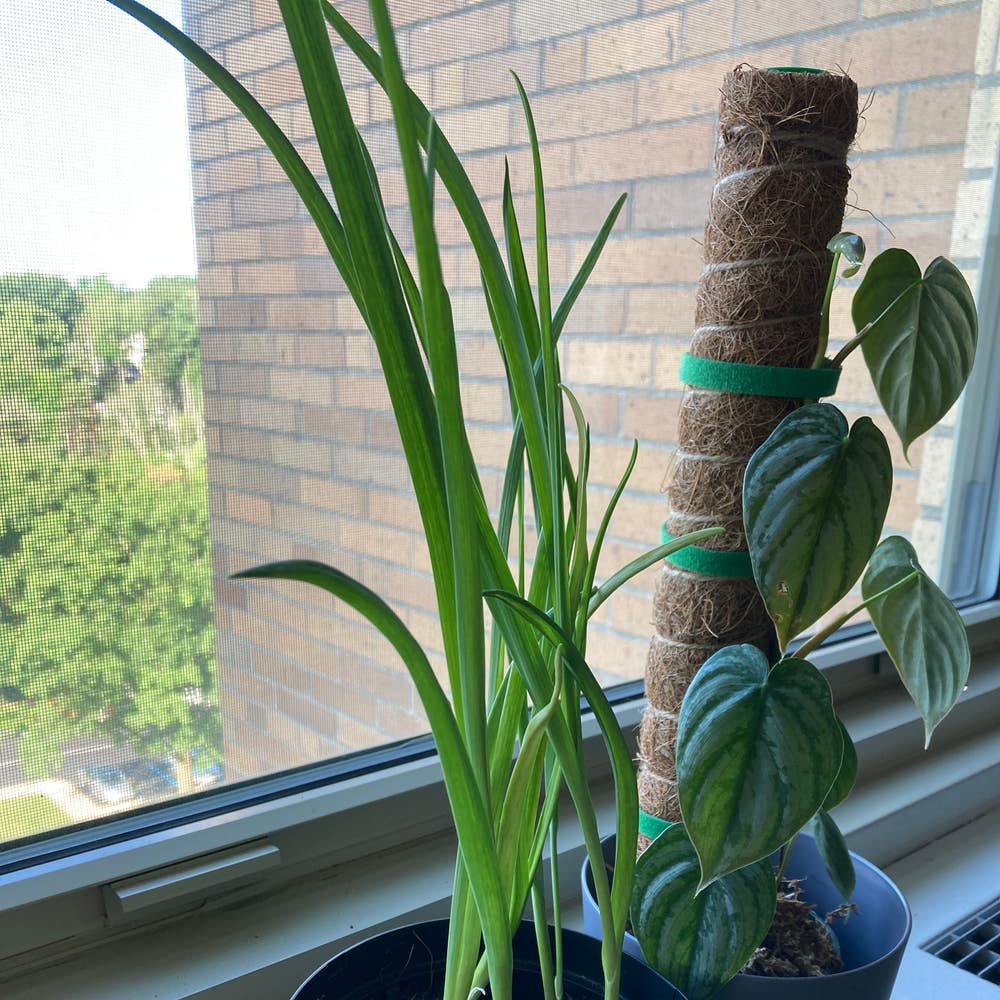
Allium sativum thrives on generous amounts of bright, direct sunlight. For robust growth and hearty bulb development, positioning your garlic less than a foot from a south-facing window will bathe it in the kind of sunlight it craves. However, it's not just about quantity; the quality of light, direct as opposed to indirect, plays a pivotal role in the health of these plants.
Sunlight and Garlic Growth
Benefits of Direct Sunlight 🌞
Direct sunlight is like a backstage pass for garlic, giving it VIP access to the energy it needs to put on a great show. Here's how it helps Allium sativum rock its growth:
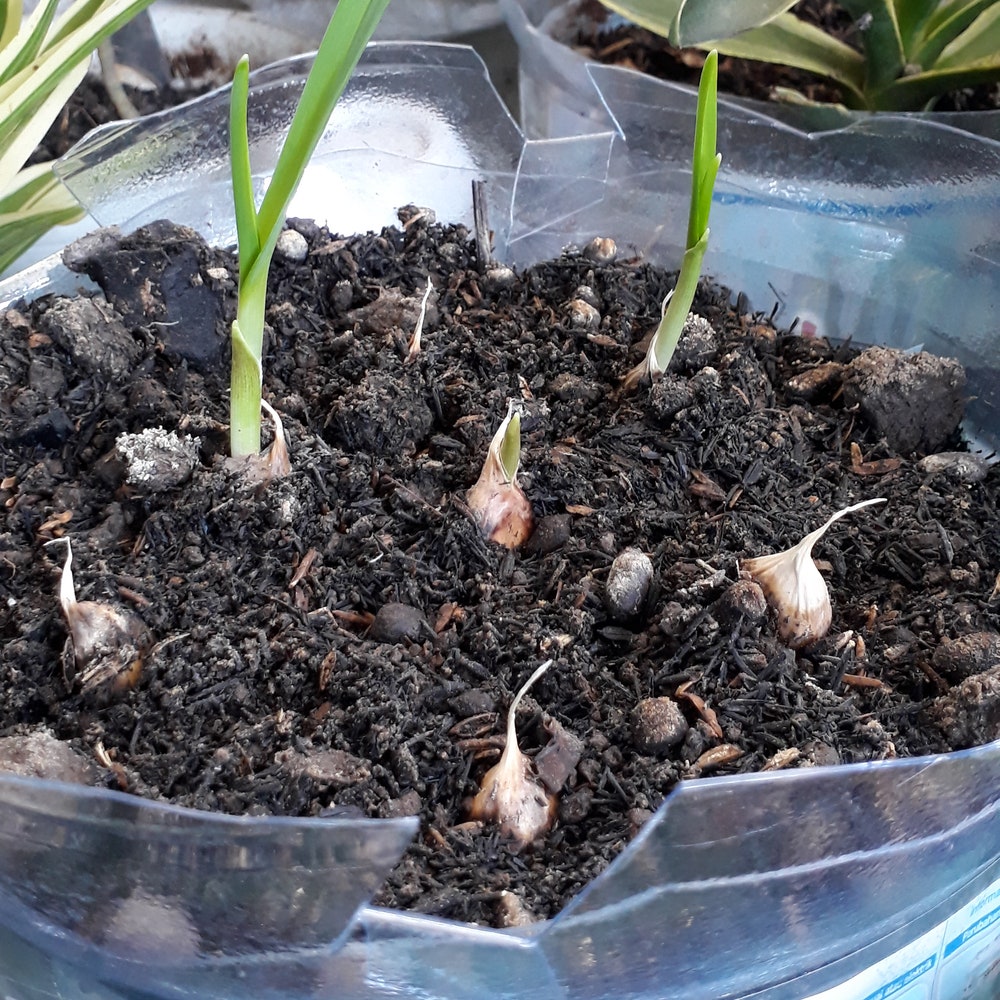
- Clove Sprouting: Just as a warm-up act sets the stage, direct sunlight prepares the cloves for sprouting.
- Shoot Growth: Sunlight acts as the main event, fueling the shoots to reach for the stars.
- Bulb Development: Think of sunlight as the encore, ensuring the bulbs develop fully and store energy as carbohydrates.
- Maturation: The final bow, where sunlight helps garlic mature, ready for harvest.
Signs of Adequate Sunlight 🌞
Garlic plants will tell you when they're getting enough sun, no words needed. Look for these signs:
- Vibrant Leaves: A healthy green color that screams "I'm loving the spotlight!"
- Sturdy Stalks: Strong and upright, like they're reaching for a high note.
- Full Bulbs: Well-developed, plump bulbs that are the main act of the garlic show.
Managing Sunlight Exposure
🌞 Acclimating to Sunlight
Garlic plants love the sun, but they need a proper introduction. Here's how to get your Allium sativum used to the limelight:
- Start by placing your garlic in a spot with indirect sunlight.
- Gradually move it closer to a direct light source over several weeks.
- Aim for morning sunlight initially, which is less intense than the afternoon sun.
- Watch for signs of distress, such as yellowing leaves, and adjust the plant's position if necessary.
🌅 Window Direction Impact
The direction your windows face can make a world of difference for your garlic's sunbathing routine:
- South-facing windows in the northern hemisphere offer the most direct sunlight.
- East-facing windows provide gentle morning light, ideal for easing your plant into more sun exposure.
- West-facing windows may expose plants to intense afternoon sun, so be cautious during the hottest parts of the day.
- North-facing windows usually offer the least direct sunlight, which may require supplemental lighting.
- Use sheer curtains or UV-blocking films to diffuse intense light if necessary.
- Rotate your plant regularly to ensure even exposure to the sun's rays.
Hemisphere and Seasonal Effects
🌐 Northern vs. Southern Hemisphere
Garlic, or Allium sativum, thrives under the right light conditions, which vary significantly between hemispheres. In the Northern Hemisphere, southern exposures are your garlic's best friend, offering the most direct sunlight. Conversely, in the Southern Hemisphere, it's the northern exposures that win the sunlight jackpot.
Adjusting your garlic's position with the changing seasons is crucial. It ensures that your plants get the sunlight they need without suffering from overexposure, which can be detrimental to their health.
🌞 Seasonal Sunlight Changes
Seasons bring about a dramatic shift in the quality and quantity of sunlight. During summer, garlic plants bask in longer days and more intense sunlight, which is essential for robust growth and bulb development.
However, as winter approaches, the sun takes a lower path across the sky, resulting in softer, less direct light. This seasonal dance of sunlight requires plant parents to be vigilant and adjust their garlic's exposure to maintain optimal growth conditions.
Protecting from Excessive Sun
Monitoring and Adjusting
Garlic, or Allium sativum, loves the sun, but too much can be just as harmful as too little. To protect your plants from excessive sun:
- Regularly check for signs of stress, such as leaf discoloration or wilting.
- Rotate your garlic plants periodically to promote even sun exposure.
- Adjust their position seasonally, as the angle and intensity of sunlight change.
🌞 Supplemental Light and Shade
Sometimes, the natural light isn't enough, or it's too intense. Here's how to manage:
- Use shade cloth to diffuse strong sunlight during peak hours.
- Employ supplemental grow lights during darker months, keeping them at a safe distance to avoid scorching.
- Gradually acclimate your garlic to changes in light conditions to prevent shock.
⚠️ Safety First
This content is for general information and may contain errors, omissions, or outdated details. It is not medical, veterinary advice, or an endorsement of therapeutic claims.
Always consult a qualified healthcare professional before using any plant as food, medicine, or supplement.
Never eat any plant (or feed one to pets) without confirming its identity with at least two trusted sources.
If you suspect poisoning, call Poison Control (800) 222-1222, the Pet Poison Helpline (800) 213-6680, or your local emergency service immediately.
Spotted an error? Please report it here.
Ensure your Allium sativum thrives with sun-kissed success 🌞 using Greg's custom reminders to adjust your garlic's sunbathing schedule for each season.