All About Your Garlic's Roots
Allium sativum
By the Greg Editorial Team
Jul 22, 2024•8 min read
This article was created with the help of AI so we can cover more plants for you. May contain errors. See one? Report it here.
Unlock the secret to lush garlic harvests by mastering its root system essentials. 🌱
- 🌱 Garlic's fibrous roots are key for nutrient and water uptake.
- 📏 Plant 2 inches deep, 4-6 inches apart for optimal root growth.
- 💧 Monitor watering and fertilizing to prevent root issues and boost resilience.
Garlic Root Characteristics
Garlic's root system is a dense network of fibrous roots, which play a crucial role in the plant's ability to absorb nutrients and water. This type of root system is characterized by a multitude of fine roots that spread out from the base of the stem.
- Fibrous roots are typically shallow, spreading horizontally just beneath the soil surface.
- This root structure is advantageous for nutrient uptake in the upper soil layers where organic matter is abundant.
The implications of this root system for gardeners are significant when it comes to soil choice and nutrient management.
- A well-draining, nutrient-rich soil is ideal to accommodate the fibrous roots and facilitate easy access to nutrients.
- The soil should be loose enough to allow roots to spread out without resistance.
Understanding these characteristics helps in creating an optimal growing environment for garlic, ensuring the plant's vitality and productivity.
Planting and Spacing
Garlic thrives with a specific blueprint for root growth, which is essential for a bountiful harvest. Here's how to get it right.
Optimal Root Depth and Spread:
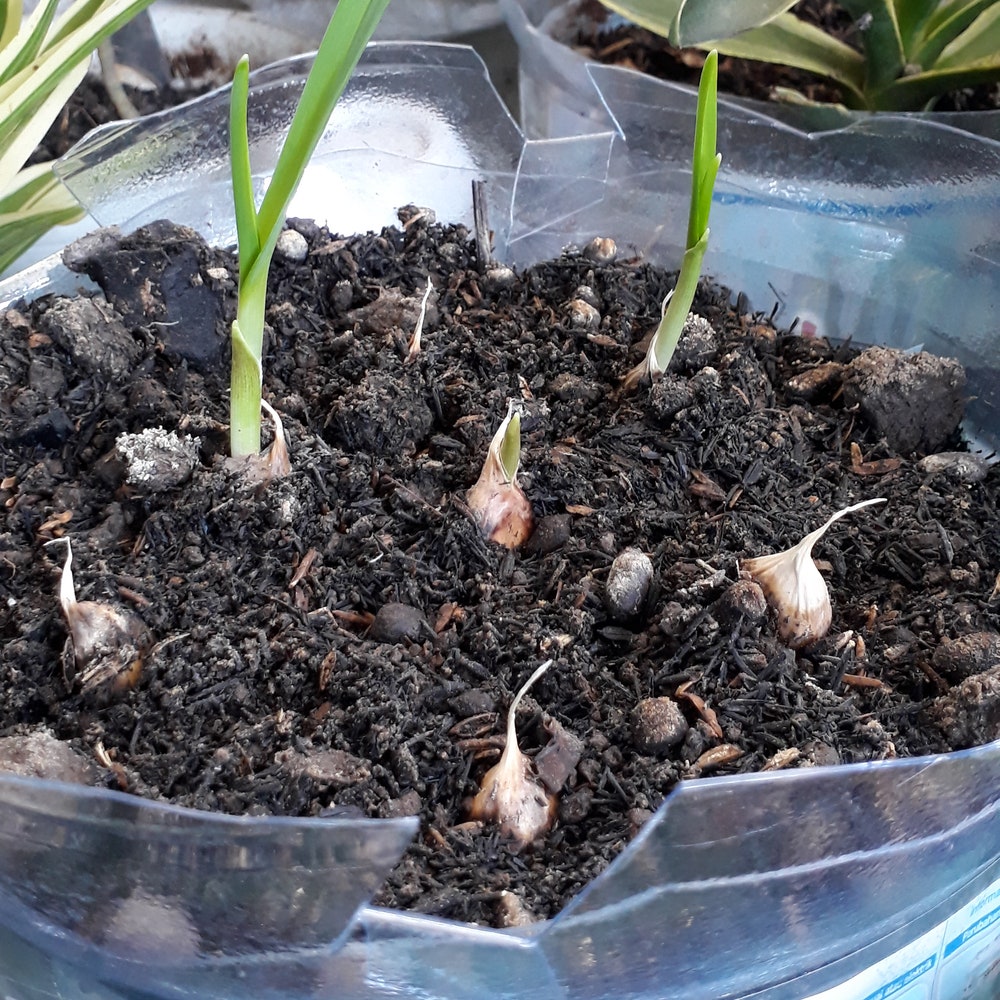
- Plant garlic cloves at a depth of 2 inches, with the pointy end up and the root end down.
- For best results, cover the planting area with 3 inches of mulch after sowing.
- Ensure each clove is spaced 4 to 6 inches apart to allow ample room for root development.
- Rows should be spaced at least 2 inches apart, but wider spacing is beneficial for larger bulbs.
Growth Patterns and Planting Density:
- Garlic's fibrous roots spread outwards, requiring space to access nutrients effectively.
- Plant density should be 1-3 cloves per square foot to minimize competition for resources.
- Overcrowding can lead to smaller bulbs and increased susceptibility to diseases.
- Good air circulation is vital; consider wider bed spacing if your garden setup allows it.
Care and Maintenance
💧 Watering Guidelines
Garlic thrives with a watering routine that respects its root depth and spread. Here's how to get it right:
- Establish a consistent watering schedule to encourage a deep, extensive root system, especially during the first growing season.
- Allow the soil to dry slightly between watering sessions to prevent waterlogging, which can lead to root rot.
- Once established, reduce watering frequency but ensure each session provides enough moisture to penetrate the full depth of the roots.
🌿 Fertilizing Tips
Feeding your garlic appropriately can make a world of difference:
- Apply a general-purpose fertilizer before the onset of spring growth, considering garlic's fibrous root system for efficient nutrient uptake.
- Avoid over-fertilizing; too much can harm the roots. Instead, opt for a balanced approach, feeding lightly but regularly during the growing season.
🌱 Transplanting Techniques
When it's time to move your garlic, keep these steps in mind to protect those precious roots:
- Gently lift the plant, preserving as much of the root ball as possible.
- Prepare the new location with favorable soil that matches the garlic's requirements for drainage and nutrient content.
- Plant at the correct depth to avoid exposing roots to the elements or burying them too deep, which can stifle growth.
Root Health Management
🌱 Preventing Root Issues
Garlic thrives with a healthy root system, and prevention is your first line of defense against root problems. Here's how to keep those roots in top shape:
- Ensure Proper Drainage: Choose well-draining soil to prevent waterlogging, which can lead to root rot.
- Water Wisely: Over-watering is a common culprit. Water your garlic when the soil is dry to the touch, not on a rigid schedule.
- Prune Thoughtfully: Regularly trim any dead or excessive growth to maintain airflow and reduce the risk of disease.
- Monitor Soil Health: Enrich the soil with organic matter to promote strong root development and use mulch to maintain moisture levels.
- Sterilize Your Tools: Always clean your gardening tools to prevent the spread of pathogens.
🕵️ Early Detection
Catching root distress early can save your garlic from serious damage. Keep an eye out for these signs:
- Wilting Leaves: A classic indicator of root distress, often due to over or under-watering.
- Stunted Growth: If your garlic isn't growing as expected, the roots may be struggling.
- Discolored Roots: Healthy garlic roots are white and firm. Brown, mushy roots suggest rot.
- Sparse Blooms: Fewer flowers can signal an issue below the soil.
- Unpleasant Odor: A foul smell from the soil can indicate decaying roots.
Regular check-ups are like scrolling through a feed—catch up on your plant's status updates to prevent any drama.
Assessing Root Vitality
Root vitality is a critical indicator of your garlic plant's overall health. To gauge this, you'll need to become familiar with the visual and tactile cues that signify root well-being.
- Visual Indicators of Healthy Roots:
- Firm and robust to the touch, suggesting resilience.
- A creamy white or light tan color, indicative of vigor.
- A springy texture, which shows they're alive and functioning.
Intervening with unhealthy roots should be timely to prevent further damage.
🚨 When to Intervene
- Persistent wilting or discoloration of leaves may point to root distress.
- Roots that are dark, mushy, or have a foul odor likely suffer from rot or disease.
- If the plant's response to watering is poor or the soil remains soggy, it's time to act.
To address root issues:
- Gently probe the soil to inspect the roots without causing damage.
- Trim away any diseased or rotting roots with sterilized scissors.
- Repot the plant in fresh, well-draining soil, ensuring the pot has adequate drainage.
- Adjust your watering practices—water only when the top inch of soil is dry.
- Regularly monitor the plant for signs of recovery or further distress.
Remember, early detection and proactive care are your best defenses against root-related problems.
Root System and Plant Resilience
Garlic's roots are more than just an anchor; they're a lifeline that equips the plant to face environmental challenges. A well-maintained root system is crucial for garlic's resilience, enabling it to withstand stressors like drought and disease.
- A robust root system enhances garlic's ability to absorb water and nutrients, fortifying it against harsh conditions.
- Practices such as proper watering, fertilizing, and crop rotation contribute to a strong root network, which in turn supports the plant's overall health.
🌱 The Role of Roots in Stress Resistance
Garlic's fibrous roots spread out in the soil, creating a wide-reaching network that helps the plant access moisture and nutrients even in adverse conditions.
- This extensive root system is key to garlic's survival during drought, as it can tap into deeper soil layers where moisture may still be available.
- Healthy garlic roots also help the plant resist diseases and pests, as they support a vigorous growth that can outcompete invaders.
🌿 Cultivating Resilience
To foster a resilient garlic plant, gardeners must focus on nurturing its roots through attentive care and preventive measures.
- Ensuring the right soil conditions, such as proper drainage and aeration, prevents root rot and promotes a strong root system.
- Regular checks for early signs of distress in roots can lead to timely interventions, averting potential damage and bolstering the plant's resilience.
Addressing Rootbound Conditions
🌱 Recognizing Rootbound Garlic
Rootbound garlic can be as subtle as a whisper or as loud as a shout, depending on how closely you're listening. Keep an eye out for these tell-tale signs:
- Leaves that yellow and wilt, despite your best watering efforts.
- Growth that seems to have hit an invisible ceiling, stunted and stubborn.
- Roots peeking out of the drainage holes like curious groundhogs.
- A visible tangle of roots when you gently lift the plant from its pot.
🌿 Repotting and Root Pruning
When your garlic's roots are more crowded than a rush-hour subway, it's time to give them space. Here's how to repot and prune with care:
- Choose a new home—a pot that's wider and deeper by a few inches.
- Slide your plant out and marvel at the root ballet, then get to work.
- Tease the roots apart gently, or slice through them if they resist.
- Trim away any roots that are brown, mushy, or excessively long.
- Repot with fresh soil that's like a fluffy pillow for roots, ensuring good drainage.
- Water sparingly at first to let the roots settle and seek out their new territory.
Remember, a little root trauma can spur new growth, but kindness is key. Your garlic will thank you with a flourish of fresh greens.
Successful Propagation and Division
Garlic thrives when its roots are respected during propagation and division. Here's how to keep them intact and healthy.
🌱 Ensuring Root Integrity during Garlic Propagation
- Propagate garlic by selecting robust cloves from a healthy bulb, ensuring each has a portion of the base plate to promote root development.
- Plant cloves root-end down, at a depth where the tip is just covered by soil, to encourage strong root establishment.
🧅 Best Practices for Dividing Garlic
- Divide garlic in the early spring or fall when the plant is dormant to minimize stress on the roots.
- Gently separate the bulb clusters, ensuring each division has a good balance of roots and shoots.
- Use clean, sharp tools to avoid damaging the roots and minimize the risk of introducing diseases.
- Replant divisions promptly at the same depth they were previously growing, in well-draining soil to prevent root rot.
- Water the new plantings adequately to help the roots settle and recover from the division process.
Remember, patience is key. Allow the newly propagated or divided garlic time to establish its roots and avoid overwatering to prevent root issues.
⚠️ Safety First
This content is for general information and may contain errors, omissions, or outdated details. It is not medical, veterinary advice, or an endorsement of therapeutic claims.
Always consult a qualified healthcare professional before using any plant as food, medicine, or supplement.
Never eat any plant (or feed one to pets) without confirming its identity with at least two trusted sources.
If you suspect poisoning, call Poison Control (800) 222-1222, the Pet Poison Helpline (800) 213-6680, or your local emergency service immediately.
Spotted an error? Please report it here.
Ensure your garlic thrives with robust roots 🧄 by letting Greg tailor your watering plan for optimal growth, straight from the insights of this article!