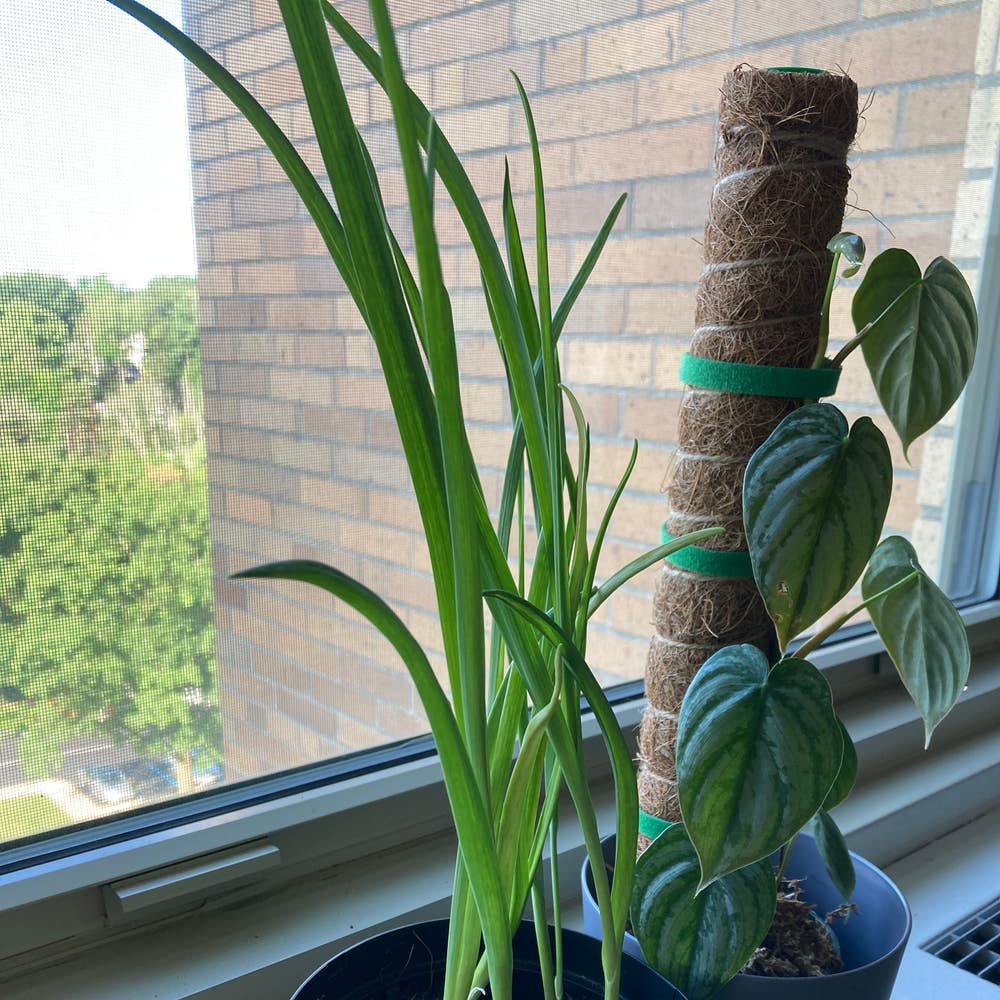
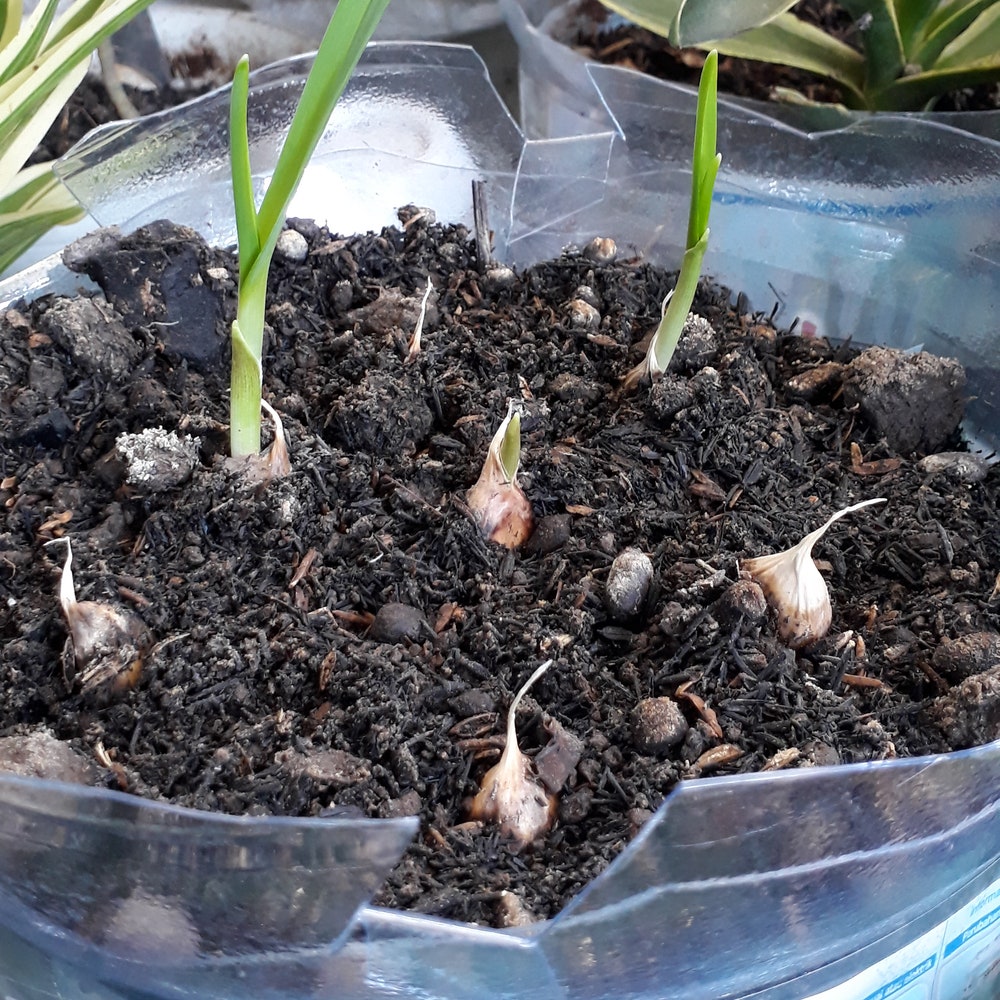
🧄 How Often to Water Your Allium sativum
Allium sativum
By the Greg Editorial Team
Jul 22, 2024•6 min read
This article was created with the help of AI so we can cover more plants for you. May contain errors. See one? Report it here.
Keep your garlic green and growing 🌱 with our smart watering schedule and tech tips! 💧
- 🌱 Water garlic when soil dries out; adjust for seasons and plant size.
- 🚿 Over-watering? Yellow leaves. Under-watering? Wilting leaves. Adjust accordingly.
- 📱 Use moisture meters or apps like Greg for precise watering reminders.
Watering Frequency
💧 Ideal Watering Schedule
Allium sativum, commonly known as garlic, thrives when its soil is allowed to dry out between waterings. The frequency of watering this hardy plant is not one-size-fits-all; it's influenced by several factors:
- Pot size and location: Smaller pots dry out faster, and sunny spots increase evaporation.
- Soil type: Sandy soils require more frequent watering, while clay holds moisture longer.
- Climate: Hot, dry weather increases the need for water, while cool, damp conditions mean less frequent watering.
- Plant size and stage: Larger, more established plants may require less frequent but deeper watering.
Regular checks every few days can help you establish a rhythm that keeps your Allium sativum perfectly hydrated.
🌦️ Seasonal Adjustments
As the seasons turn, so should your watering habits for Allium sativum:
- Spring: Encourage growth with consistent moisture as temperatures start to rise.
- Summer: Step up the frequency during hot spells, ensuring the soil doesn't completely dry out.
- Fall: Gradually reduce watering as the plant prepares for dormancy.
- Winter: Water sparingly, only when the soil is dry to the touch, to prevent rot.
Remember, these are guidelines; your Allium sativum will tell you what it needs. Keep an eye out for droopiness or dry soil as signs to grab the watering can. And for those with unpredictable schedules, consider leveraging technology like the Greg plant care app to keep your watering on track.
Recognizing Plant Needs
💧 Over-Watering Indicators
Yellowing leaves may signal too much love in the form of water for your Allium sativum. Here's how to spot the signs and dial back on hydration:
- Leaves turning yellow or brown and feeling soft to the touch.
- Presence of mold or mildew on the soil surface, hinting at excessive moisture.
- A heavy pot, even when you haven't watered in a while, suggests the soil is waterlogged.
- Stunted growth or wilting despite wet soil can be paradoxical signs of over-watering.
To address over-watering:
- Reduce your watering frequency immediately.
- Ensure your pot has proper drainage and consider repotting with fresh, well-draining soil.
- Move the plant to a well-ventilated area to help the soil dry out.
🌵 Under-Watering Indicators
Allium sativum crying out for water will show these telltale signs:
- Leaves wilting or curling at the edges, looking dry and possibly crispy.
- Soil pulling away from the edges of the pot, indicating severe dryness.
- A light pot, which usually means the soil is bone dry and the plant is dehydrated.
Corrective measures for under-watering:
- Give your plant a thorough watering until excess water drains out of the bottom.
- Wait for the top inch of soil to dry out before watering again, but don't let the entire soil mass become dry.
- Consider a self-watering pot to maintain consistent moisture levels, especially if you tend to forget watering.
Watering Techniques
Bottom-Watering Benefits
🌊 Bottom-watering is a savvy technique that offers a buffet of benefits for Allium sativum. Here's why it's a smart choice:
- Promotes deep root growth as roots reach for water below, building a stronger foundation.
- Prevents over-watering and under-watering by letting plants absorb moisture at their own pace.
- Reduces the risk of leaf diseases by keeping foliage dry, since water is applied directly to the soil.
- Helps maintain even soil moisture, which is especially beneficial during the critical bulb formation stage of Allium sativum.
Self-Watering Systems
💧 Self-watering pots are like a plant's personal hydration assistant, ensuring Allium sativum gets the right amount of water without constant oversight. They're particularly useful for:
- Maintaining consistent soil moisture, which is crucial for the even development of garlic bulbs.
- Saving water and time, as the reservoir system allows the plant to draw water as needed.
- Providing a solution for gardeners who travel, as these systems can sustain the plant for longer periods.
- Encouraging healthy growth by avoiding the stress of fluctuating moisture levels.
Self-watering systems come in various designs, but they all share the common goal of simplifying plant care while optimizing plant health.
Moisture Monitoring
💧 Using Moisture Meters
Moisture meters are invaluable for getting a handle on when to water your Allium sativum. Here's how to use them effectively:
- Insert the meter's probe gently into the soil near the base of the plant, avoiding any force that could damage roots.
- Aim to place the probe midway between the soil surface and the bottom of the pot to get a representative moisture reading.
- Read the gauge, which typically ranges from dry to wet or uses a numerical scale. Lower numbers indicate drier soil; higher numbers mean more moisture.
- Check the moisture level every 7-10 days, adjusting for plant size—smaller plants may require more frequent checks.
- Remember, consistency in readings is more important than pinpoint accuracy. Learn what levels correspond to your plant's needs and water accordingly.
🖐️ Manual Checks
If you prefer a hands-on approach or want to double-check your meter's readings, here's how to manually assess soil moisture:
- Feel the soil: Push your finger about an inch into the soil. If it feels dry at that depth, it's time to water.
- The lift test: Pick up the pot. A lighter pot usually means the soil is dry and needs watering.
- The ball method: Take a small amount of soil and gently press it into a ball. If it crumbles easily, the soil is too dry; if it holds together without dripping water, it's just right.
By combining these methods, you'll develop a keen sense of when your Allium sativum is thirsty and ensure you're watering just right.
Watering Reminders and Tools
📱 Leveraging Technology
In the age of smartphones, keeping your Allium sativum perfectly hydrated could be as simple as tapping on an app. Meet Greg, your new plant care sidekick.
- Greg app sends timely watering reminders, so you'll never miss a beat—or a watering day.
- It tailors recommendations based on your environment, ensuring your Allium sativum gets just what it needs.
- The app tracks your watering history, making it easy to spot and adjust patterns as your plant grows and seasons change.
Beyond reminders, Greg offers a wealth of plant care knowledge, making it a must-have for both green thumbs and gardening newbies.
⚠️ Safety First
This content is for general information and may contain errors, omissions, or outdated details. It is not medical, veterinary advice, or an endorsement of therapeutic claims.
Always consult a qualified healthcare professional before using any plant as food, medicine, or supplement.
Never eat any plant (or feed one to pets) without confirming its identity with at least two trusted sources.
If you suspect poisoning, call Poison Control (800) 222-1222, the Pet Poison Helpline (800) 213-6680, or your local emergency service immediately.
Spotted an error? Please report it here.
Nurture your Allium sativum to perfection 🌿 with Greg's personalized care reminders, helping you water just right, season after season.