3 Key Dates for Planting Allium sativum 🧄
Allium sativum
By the Greg Editorial Team
Jul 22, 2024•5 min read
This article was created with the help of AI so we can cover more plants for you. May contain errors. See one? Report it here.
Nail the timing for lush Allium sativum 🌱 with our region-specific planting guide!
- 📅 Frost dates dictate planting: Know your zone's window for Allium sativum.
- 🌡️ Soil temperature matters: Aim for optimal ranges for successful growth.
- 🌍 Regional guides are key: Tailored advice ensures Allium sativum thrives in your area.
Optimal Planting Periods
❄️ Frost Date Considerations
Frost dates are pivotal in planning your Allium sativum planting. They mark the window during which the risk of frost is low enough to ensure safe planting and successful germination.
- Zones 0-3: Plant between late August and late September.
- Zones 3-5: Mid to late September is your start, with early to mid-October as the cutoff.
- Zones 5-7: Early to mid-October is ideal, with late October as the latest advisable date.
- Zones 7-9: Aim for late October through November.
- Zones 9-10: Late October to December is your planting period.
🌡️ Soil Temperature and Garlic
The right soil temperature is crucial for Allium sativum to thrive. Here's the sweet spot:
- Optimal range: 55-65°F for cooler soil temperatures; 70°F for consistent warmth.
- Soil should maintain these temperatures for at least three days before planting.
- Adjust planting times based on your local soil temperature trends.
🌞 Day Length Impact
Day length significantly influences Allium sativum's growth cycle.
- Shorter days in fall trigger root development.
- Longer days in spring and summer promote leaf growth and bulb formation.
- Select varieties that align with your region's day length patterns for best results.
Regional Planting Guides
🌴 Southern States Planting
In the Southern states, the planting calendar for Allium sativum hinges on avoiding the hot and humid summers. Florida gardeners should target late fall to early winter, as the mild climate allows for a longer growing season. Texas, with its vast size, presents varied climates, but generally, October to November is ideal, avoiding both the scorching summer heat and the risk of a late frost.
- Florida: Plant from October to January.
- Texas: Plant from late October to early November.
🌊 Western States Planting
California's diverse climates mean planting times for Allium sativum vary significantly. Coastal regions benefit from the moderating ocean influence, allowing for planting from October to November. Inland areas, with more extreme temperature fluctuations, should aim for late fall planting to ensure the cloves can establish before the colder winter temperatures set in.
- Coastal California: Plant from October to November.
- Inland California: Plant in late October to early November.
🍁 Northeastern States Planting
New York's cold winters dictate a fall planting schedule for Allium sativum. Planting should occur three to four weeks before the ground freezes, typically from October to November, allowing the cloves to establish roots before the deep freeze.
- New York: Plant from October to November.
🌾 Midwestern States Planting
Ohio's fall is the opportune time for planting Allium sativum, ensuring that cloves are in the ground at least a month before the frost. This timing, typically in October, allows for root development before the soil becomes too cold.
- Ohio: Plant in October.
🏔️ Mountain States Planting
Colorado's altitude and cooler temperatures mean Allium sativum should be planted in the early fall. This timing allows the plants to establish before winter, with September to October being the prime window.
Seed Starting Strategies
🌱 Indoor Seed Starting
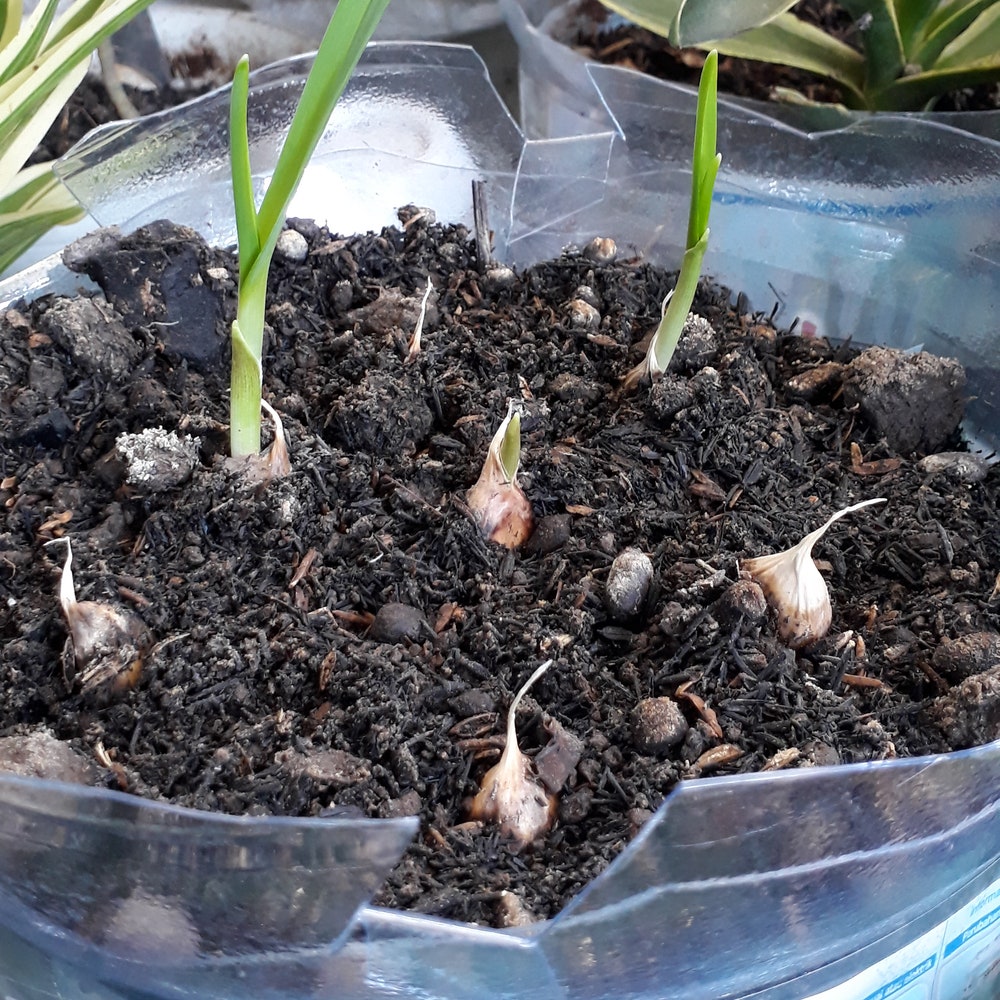
Starting Allium sativum indoors allows for a head start on the growing season. Here's why and when to consider this approach:
- Begin 6-8 weeks before the last expected frost to give your garlic a growth advantage.
- Indoor starting mitigates the risk of unexpected late frosts damaging young plants.
- It provides control over the growing environment, ensuring optimal temperature and light conditions.
🌿 Direct Sowing
Direct sowing Allium sativum has its own set of timing and benefits:
- Plant directly in the garden when the soil is workable and the temperature is consistently above freezing.
- Typically, this is in the fall, a few weeks before the first frost date, or in early spring as soon as the ground thaws.
- Direct sowing aligns the garlic's natural growth cycle with seasonal changes, promoting stronger development.
Nationwide Planting Calendar
📅 State-by-State Guide
Navigating the diverse climates across the U.S. can be tricky when planting Allium sativum. Here's a month-by-month guide to help you pinpoint the ideal planting time in your state.
- January to February:
- Southern states with mild winters, like Florida and Texas, can start planting.
- March to April:
- Western states such as California begin planting, with coastal areas starting earlier.
- Southern states continue planting.
- May:
- Midwestern states like Ohio and Illinois can start planting, as frost danger recedes.
- June to July:
- Northeastern states, including New York, and Mountain states like Colorado, where spring arrives later, should begin planting.
- August to September:
- In some Northern states, a late summer planting can yield a spring harvest.
- October to November:
- Southern states may have a second planting window for a late winter or early spring harvest.
- December:
- In the warmest parts of the country, such as southern Florida and Texas, planting can continue.
Remember, these are general guidelines. Always check local extension services and planting calendars for the most accurate planting times in your area.
⚠️ Safety First
This content is for general information and may contain errors, omissions, or outdated details. It is not medical, veterinary advice, or an endorsement of therapeutic claims.
Always consult a qualified healthcare professional before using any plant as food, medicine, or supplement.
Never eat any plant (or feed one to pets) without confirming its identity with at least two trusted sources.
If you suspect poisoning, call Poison Control (800) 222-1222, the Pet Poison Helpline (800) 213-6680, or your local emergency service immediately.
Spotted an error? Please report it here.
Plant Allium sativum with confidence 🌱 by letting Greg's localized reminders and custom care advice guide you through your region's ideal planting calendar.