🧄 9 Factors Affecting Allium sativum Flowering
Allium sativum
By the Greg Editorial Team
Jul 22, 2024•4 min read
This article was created with the help of AI so we can cover more plants for you. May contain errors. See one? Report it here.
Unlock the secret to lush Allium sativum blooms 🌸 with expert tips on overcoming common flowering hurdles.
- 🌱 Specific conditions are crucial for Allium sativum to bloom successfully.
- ☀️💧 Sunlight, moisture, and nutrients directly impact garlic flower health.
- 🛡️ Protect blooms from temperature, pests, and diseases for longevity.
Bloom Cycle Challenges
🌸 Failure to Bloom
Allium sativum's reluctance to bloom can be puzzling, but often it's a matter of meeting its basic needs more precisely. Let's dig into the common culprits and fixes:
- Inadequate Chilling: Garlic needs a cold snap to kickstart the blooming process. If winters are mild, simulate this by chilling the cloves before planting.
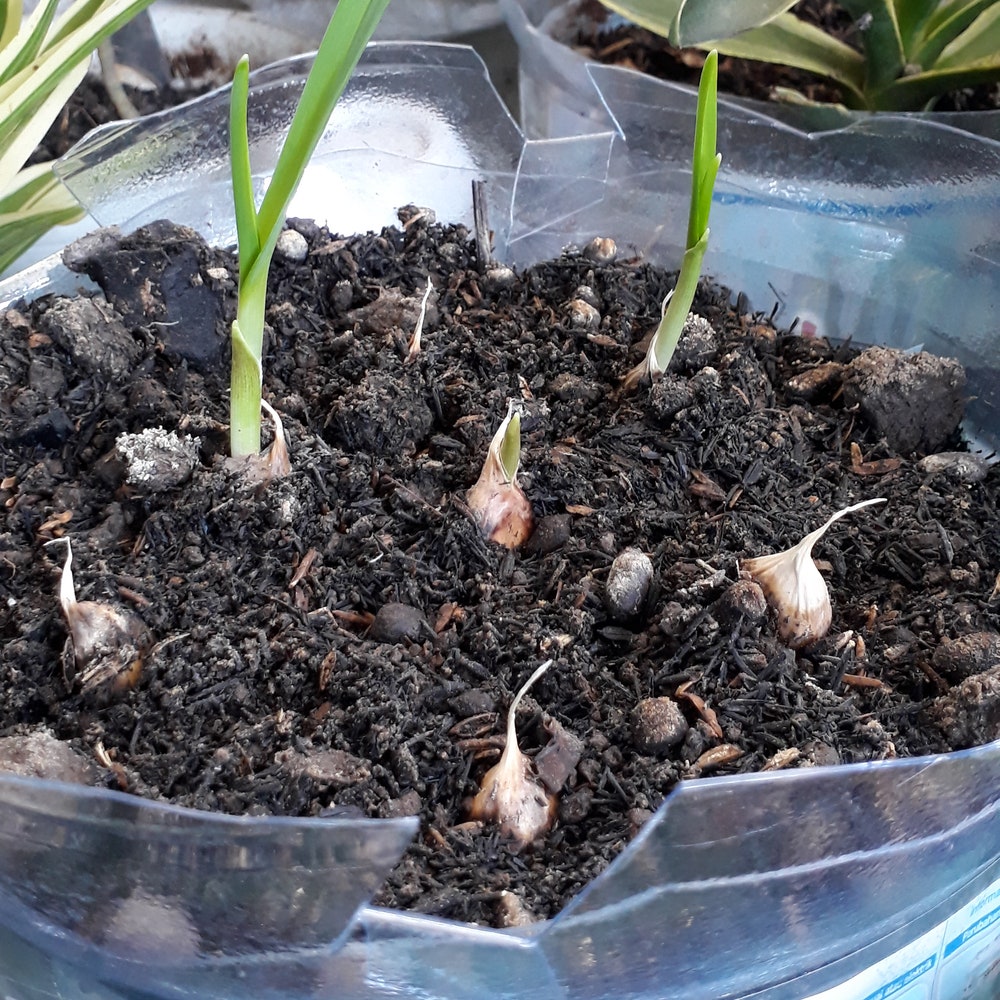
- Incorrect Planting Depth: Planting too deep can hinder sprouting, while too shallow may prevent proper bulb formation. Aim for 2-3 inches deep.
- Overcrowding: Give each plant its space. Overcrowded garlic competes for nutrients, which can inhibit blooming. Thin out if necessary.
🥀 Bud Drop
Bud drop in Allium sativum can be disheartening, but it's often a sign that the plant is stressed. Here's how to stabilize the situation:
- Environmental Stressors: Sudden temperature changes can shock plants. Aim for a consistent growing environment.
- Nutrient Imbalances: A lack of phosphorus can lead to bud drop. Switch to a phosphorus-rich fertilizer to encourage flowering.
- Watering Woes: Both over and under-watering can cause buds to fall. Maintain a steady watering schedule, adjusting as needed for weather conditions.
Flower Development Factors
💡 Light Requirements
Sunlight is the conductor of Allium sativum's flowering symphony, cueing the plant to transition from leafy growth to stunning blooms. Here's how to ensure your garlic gets the light it needs:
- Aim for full sun exposure, as Allium sativum thrives with plenty of direct sunlight to induce and develop flowers.
- If natural light is insufficient, supplement with grow lights that provide a spectrum similar to sunlight, particularly focusing on red and blue wavelengths.
🍽️ Soil and Nutrition
The soil is the dining table for Allium sativum, and without a balanced diet, your plants won't show off their best flowers. To nourish your plants:
- Test soil for nutrient deficiencies, particularly looking for adequate levels of potassium, which is critical for flowering.
- Enrich the soil with organic matter and consider a balanced, water-soluble fertilizer a few months before the expected bloom time.
- Avoid synthetic fertilizers that can harm the soil's biodiversity and opt for organic amendments like compost or worm castings for a slow-release nutrient boost.
Watering for Flowers
💧 Moisture Balance
Watering practices have a profound impact on the flowering of Allium sativum. Too much water can lead to root rot or fungal diseases, while too little can stress the plant, hindering its ability to flower.
- Ensure soil is consistently moist but not waterlogged.
- Allow the top 1-2 inches of soil to dry out before watering again.
- Utilize mulch to help retain soil moisture and reduce the frequency of watering.
- Consider drip irrigation for a slow, deep soak that encourages strong root development and healthy flowering.
- Adjust watering practices based on the plant's life stage; increase moisture during blooming to support the extra energy expenditure.
- Be mindful of soil type; sandy soils require more frequent watering, while clay soils hold moisture longer and may need less frequent watering.
Pruning for Bloom Health
🌸 Deadheading and Growth
Deadheading is a game-changer for Allium sativum, steering energy towards new blooms and away from seed production. This simple act can significantly increase the plant's flowering potential.
- Snip off spent flowers carefully, avoiding harm to emerging buds.
- Aim to cut just above the first set of healthy leaves, ensuring you don't miss any hidden buds.
After pruning, it's crucial to support the plant's recovery and set the stage for new growth.
- Check that the plant has adequate light, water, and nutrients.
- Maintain a consistent care routine to foster a robust new bloom cycle.
Protecting Flowers
🌡️ Temperature and Climate
Temperature swings can wreak havoc on Allium sativum's flowering process. Just as low temperatures are crucial during early growth stages for bulb development, consistent warmth is necessary for healthy blooms.
- Sudden cold snaps may damage emerging flowers, while extreme heat can stress the plant, leading to poor flower quality.
- To shield your Allium sativum, monitor weather forecasts and employ protective measures such as mulching, using cloches, or moving potted plants indoors during unexpected frosts.
🐜 Pests and Disease Management
Allium sativum flowers attract a variety of pests and can fall victim to diseases, which compromise their beauty and longevity.
- Common floral adversaries include aphids, thrips, and onion maggots, while diseases like downy mildew and botrytis blight can also pose a threat.
- Implement an integrated pest and disease management strategy:
- Inspect plants regularly and remove any that show signs of infection.
- Encourage beneficial insects that prey on pests.
- Maintain good air circulation around plants to prevent fungal issues.
- Apply appropriate fungicides or insecticides as a last resort, following organic practices when possible.
⚠️ Safety First
This content is for general information and may contain errors, omissions, or outdated details. It is not medical, veterinary advice, or an endorsement of therapeutic claims.
Always consult a qualified healthcare professional before using any plant as food, medicine, or supplement.
Never eat any plant (or feed one to pets) without confirming its identity with at least two trusted sources.
If you suspect poisoning, call Poison Control (800) 222-1222, the Pet Poison Helpline (800) 213-6680, or your local emergency service immediately.
Spotted an error? Please report it here.
Ensure your garlic flowers flourish 🌼 by using Greg to optimize sunlight exposure and watering schedules, tailored to the unique needs of Allium sativum.