Garlic: An Invasive Plant
Allium sativum
By the Greg Editorial Team
Jul 22, 2024•6 min read
This article was created with the help of AI so we can cover more plants for you. May contain errors. See one? Report it here.
Protect your green spaces from invasive garlic's 🧄 stealthy takeover and safeguard precious ecosystems!
- Garlic invades rapidly, causing ecological and economic damage.
- Identify by leaves, bulbs, stalks, and flowers to manage invasion.
- Effective management includes removal, herbicides, and regulatory measures.
Invasive Classification
🧄 Defining Invasive Species: Garlic's Fit
Invasive species are organisms that cause ecological or economic harm in a new environment where they are not native. Garlic, with its robust growth and tendency to spread, fits snugly into this category. It's not just about being non-native; it's the ability to thrive and dominate that earmarks garlic as invasive.
📊 Criteria for Invasiveness: Garlic's Profile
Garlic's invasiveness is not accidental; it's a result of specific characteristics:
- Rapid Reproduction: Garlic can reproduce quickly, overwhelming native species.
- Aggressive Growth: It competes fiercely for resources, edging out local flora.
- Adaptability: This plant can thrive in diverse environments, making it a formidable invader.
- Ecological Impact: Garlic alters habitats, affecting native biodiversity and ecosystem functions.
Understanding these traits helps land managers and gardeners recognize the threat garlic poses and underscores the need for proactive management strategies.
Identifying Invasive Garlic
🧄 Key Features of Invasive Garlic
Invasive garlic, often confused with its culinary counterpart, can be recognized by its distinctive characteristics. Look for:
- Leaves: Smooth, round, and hollow, typically 6-24 inches tall. When crushed, they emit a strong garlic odor.
- Bulbs: Egg-shaped with a papery covering and a fibrous root system.
- Stalks: Unbranched, round, smooth, leafless, and solid cored.
- Flowers: May appear maroon, pink, or white-green, developing into three-chambered, egg-shaped capsules containing black seeds.
🌿 Differentiating Invasive Garlic from Natives
To avoid mistaking invasive garlic for native plants, note these differences:
- Wild onion, a common look-alike, has flat and solid leaves, contrasting with the round, hollow leaves of invasive garlic.
- Native species typically do not have the same strong garlic scent when their foliage is crushed.
- The flowering patterns can also be a giveaway; native plants in the same family may have different colored or structured flowers.
Remember, accurate identification is the first step in managing invasive species effectively.
Invasive Growth Patterns
🧄 Reproductive Strategies of Invasive Garlic
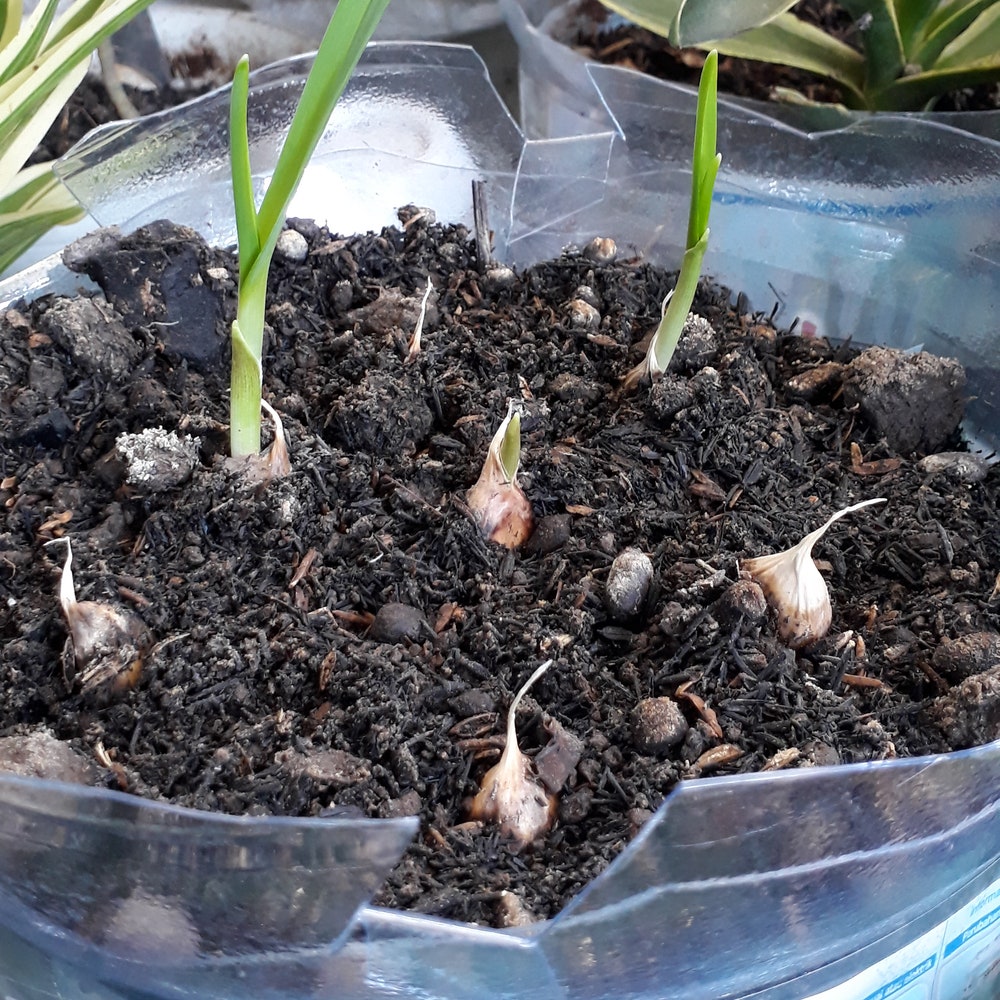
Garlic's prowess as an invader partly lies in its reproductive strategy. Like a master of disguise, it employs vegetative reproduction, where each clove can develop into a new plant identical to the parent. This method ensures a rapid and robust expansion, as each individual is a clone ready to conquer new territories.
- Vegetative reproduction through cloves
- Each clove can develop into a new, genetically identical plant
🌱 How Invasive Garlic Colonizes New Areas
Invasive garlic doesn't just grow; it invades. It thrives in openings, seizing opportunities to spread its reach. This aggressive colonizer can persist even in mature ecosystems, subtly altering the habitat and outcompeting native species. Its ability to adapt to various conditions makes it a formidable opponent in the plant kingdom.
- Aggressive spread in open areas and mature ecosystems
- Adaptability to various environmental conditions
Ecological Disruption
Garlic's invasive tendencies wreak havoc on ecosystems, often leading to reduced biodiversity and the displacement of native species. This disruption extends beyond the immediate area, impacting ecosystem services such as flood control and soil stabilization, which are vital for maintaining ecological balance.
- Reductions in biodiversity, including localized extinctions.
- Loss of ecosystem services like erosion prevention and flood control.
The soil and waterways also bear the brunt of garlic's invasive spread. The alteration of soil composition and the introduction of garlic can lead to changes in water clarity and reductions in dissolved oxygen, which are detrimental to aquatic life.
- Changes in soil composition affecting overall health and sustainability.
- Detrimental effects on water quality, including reduced clarity and oxygen levels.
Managing Garlic Invasion
Garlic's invasive nature requires a strategic approach to management. Here's how to tackle it effectively.
🧹 Effective Removal Techniques
- Manual Removal: For small infestations, hand-pulling garlic plants is effective, especially before they set seed. Ensure you remove the entire root system to prevent regrowth.
- Tillage: In agricultural settings, repeated tillage can disrupt garlic growth. It's best done in late fall or early spring when garlic is most vulnerable.
🦠 Chemical and Biological Control Measures
- Targeted Herbicides: When manual methods are impractical, herbicides can be used. Always opt for selective herbicides that minimize impact on non-target species.
- Biological Controls: Introduce natural predators like parasitic wasps or nematodes for pests like leafminers. Use organic insecticides, like neem oil, as a last resort.
🚫 Prevention and Early Detection Strategies
- Crop Rotation: Rotate crops to prevent soil-borne diseases and disrupt garlic's growth cycle.
- Monitoring: Regularly inspect your land for early signs of garlic invasion. Early detection is key to preventing widespread infestation.
- Sanitation: Clean equipment and tools to prevent the spread of garlic seeds or plant parts to new areas.
- Barriers: Use landscape fabric or mulches to suppress garlic seed germination and growth.
Implementing these strategies requires vigilance and consistency. By staying proactive, you can keep invasive garlic at bay and protect your ecosystem's health.
Legal Implications
🧅 Regulations on Invasive Garlic
Regulatory measures are pivotal in curbing the spread of invasive garlic. These measures often include:
- Restrictions on the sale, transport, or cultivation of invasive garlic species.
- Requirements for landowners to control or eradicate invasive garlic on their property.
- Penalties for non-compliance, which can range from fines to more severe legal actions.
🛡️ Compliance and Enforcement Challenges
Enforcing these regulations presents its own set of challenges:
- Identifying and proving the presence of invasive garlic can be difficult, especially when it resembles native species.
- Landowners may lack the resources or knowledge necessary to effectively manage invasive garlic.
- Regulatory bodies often face limitations in manpower and funding, hindering thorough enforcement.
The dynamic nature of environmental law means that stakeholders must stay informed about current regulations to avoid legal repercussions and contribute to the health of local ecosystems.
Benefits Versus Threats
Garlic, known scientifically as Allium sativum, has a storied history of use in cuisine, medicine, and even folklore. Its potent compounds, such as allicin, have been harnessed for health benefits, including improved cholesterol levels and natural antibiotic properties.
- Historical Uses of Garlic
- Culinary spice across cultures, enhancing flavor profiles.
- Traditional medicine for ailments from colds to heart disease.
- Folklore and superstition, often linked to protective qualities.
However, the ecological harm of invasive garlic species, like the wild garlic (Allium vineale) and garlic mustard (Alliaria petiolata), presents a complex dilemma. These species can outcompete native flora, altering habitats and reducing biodiversity.
- Weighing Utility Against Ecological Harm
- Invasive garlic species' aggressive growth patterns threaten native ecosystems.
- Potential economic impact on agriculture due to invasive spread.
- The need for careful management to mitigate ecological disruption.
While garlic's benefits are significant, they must be weighed against the environmental costs of its uncontrolled spread. The challenge lies in harnessing garlic's positive attributes while curbing its invasive tendencies.
⚠️ Safety First
This content is for general information and may contain errors, omissions, or outdated details. It is not medical, veterinary advice, or an endorsement of therapeutic claims.
Always consult a qualified healthcare professional before using any plant as food, medicine, or supplement.
Never eat any plant (or feed one to pets) without confirming its identity with at least two trusted sources.
If you suspect poisoning, call Poison Control (800) 222-1222, the Pet Poison Helpline (800) 213-6680, or your local emergency service immediately.
Spotted an error? Please report it here.
Prevent the spread of invasive garlic with Greg's PlantVision 🕵️♂️, and become an eco-hero by managing your garden's biodiversity smartly!