🧄 4 Do's and Don'ts of Growing Allium sativum
Allium sativum
By the Greg Editorial Team
Jul 22, 2024•5 min read
This article was created with the help of AI so we can cover more plants for you. May contain errors. See one? Report it here.
Nurture bountiful garlic 🌱 with these essential cultivation tips, avoiding common gardening pitfalls.
- 🌞 Choose sunny, well-drained spots to ensure garlic thrives.
- 🌱 Enrich soil, correct planting depth for robust growth.
- 💦🚫 Avoid over-watering and over-fertilizing; balance is key.
Location Selection
🌞 Sunny Spots: Do's
Garlic, much like many of us, thrives on sunshine. To ensure your Allium sativum gets its fill:
- Aim for a location that basks in at least six hours of direct sunlight daily.
- Morning sun is particularly beneficial, energizing the plants for the day ahead.
🚫 Avoiding Dampness: Don'ts
Just as important as the sun is ensuring your garlic isn't waterlogged:
- Steer clear of areas prone to standing water or heavy moisture.
- Good air circulation is key, so avoid planting in tight, enclosed spaces.
- Use mulch to maintain soil moisture balance without overdoing it.
- Elevated or sloped areas can improve drainage and prevent root diseases.
Soil and Planting
🌱 Soil Enrichment: Do's
Garlic thrives in soil rich in organic matter, so here's how to create the perfect environment for your Allium sativum:
- Add compost or well-rotted manure to the soil to improve its structure, drainage, and nutrient content.
- Aim for a soil composition with 3 to 6 percent organic matter, replenishing it each season as necessary.
- If your soil is heavy clay or too sandy, consider raised beds to enhance drainage and prevent compaction.
🌿 Planting Depth and Spacing: Don'ts
Avoid these common planting errors to ensure your garlic has the best chance for robust growth:
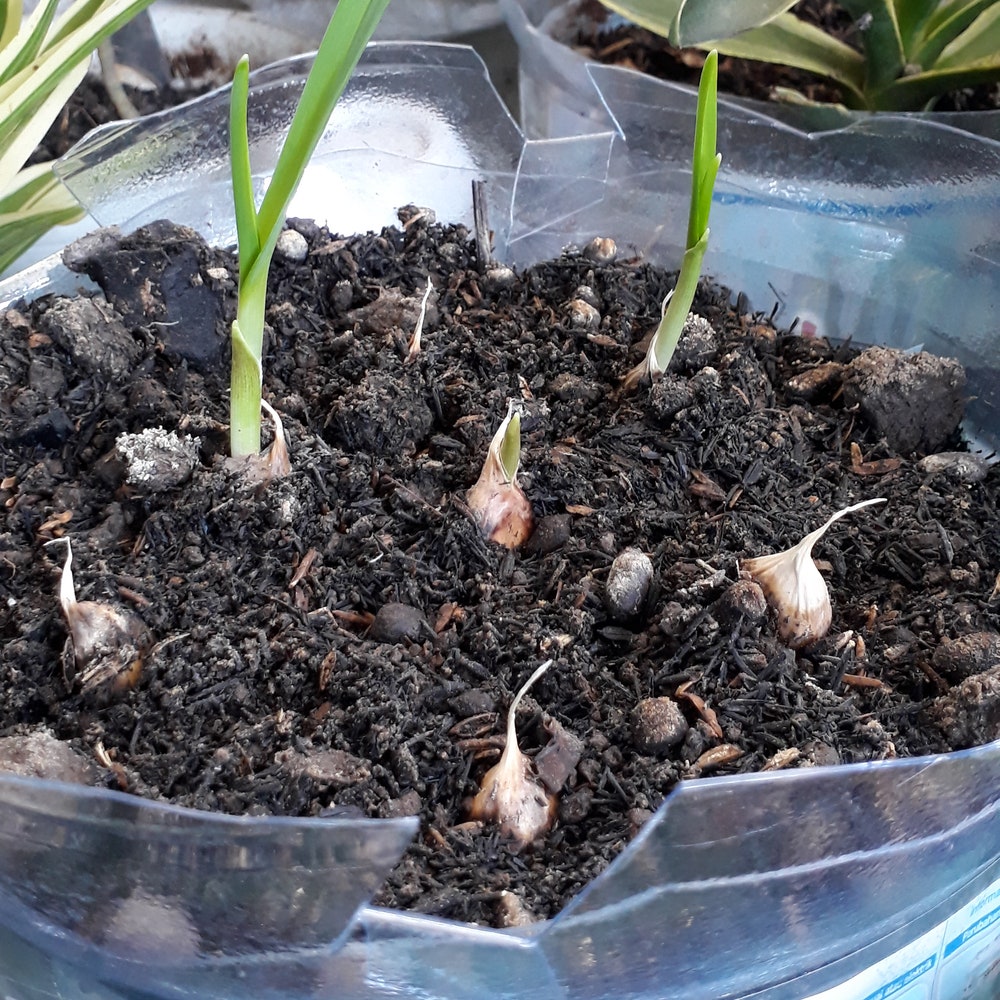
- Don't plant garlic cloves too shallow; they should be planted at a depth of at least twice their height.
- Avoid planting cloves too close together; leave about 6 inches between cloves to minimize competition for nutrients and water.
- Resist the temptation to overwater after planting; garlic requires well-draining soil and can rot in overly moist conditions.
Watering and Fertilizing
💧 Moisture Management: Do's
Garlic thrives when the soil moisture is just right. To achieve this balance:
- Check the soil moisture by feeling it about an inch below the surface; it should be moist but not soggy.
- Water deeply but infrequently to encourage strong root development.
- During dry spells, increase watering slightly, but always allow the soil to dry out somewhat between watering sessions.
- Mulch can be your ally in retaining soil moisture, just keep it away from the garlic stems to prevent rot.
🌱 Fertilizer Use: Don'ts
When it comes to fertilizing garlic, less is often more. Avoid common mistakes by following these guidelines:
- Do not fertilize garlic if the soil is dry; water first to prevent root burn.
- Steer clear of high-nitrogen fertilizers during drought conditions to avoid excessive leaf growth at the expense of bulb development.
- Use a balanced, slow-release organic fertilizer, and only apply it when necessary, based on soil tests or visible signs of nutrient deficiency.
- Be mindful of the timing; fertilize during the growing season but stop as the bulbs begin to form, usually a few weeks before harvesting.
Pruning and Maintenance
Scapes and Leaves: Do's
Garlic benefits greatly from timely pruning. Here's how to keep your Allium sativum in top shape:
- Scape Removal: Snip off the scapes as they appear to direct energy to bulb growth. This simple step can lead to larger, more robust garlic bulbs.
- Leaf Maintenance: Regularly inspect leaves and remove any that are yellow or damaged. This encourages the plant to focus its resources on healthy growth, ensuring a vigorous plant.
🚫 Neglecting Signs: Don'ts
Ignoring the warning signs in garlic can lead to a disappointing harvest. Avoid these common oversights:
- Yellowing Leaves: If leaves begin to yellow, investigate promptly. It could be a sign of overwatering, poor drainage, or nutrient deficiency.
- Weed Competition: Weeds can choke out your garlic, stealing vital nutrients and sunlight. Keep the soil around your plants weed-free to ensure your garlic has all the resources it needs to thrive.
Container vs. Outdoor Growing
Container Growing: Do's
Selecting the right container and soil is crucial for growing garlic successfully indoors. Here's how to get it right:
- Opt for a large pot to accommodate the long growing season of garlic and to maintain consistent soil moisture.
- Ensure the pot has adequate drainage to prevent waterlogging and root rot.
- Use a potting mix rich in organic matter to provide the necessary nutrients and support proper drainage.
- Plant garlic cloves in the fall, mirroring outdoor planting times, to allow for proper development before colder temperatures set in.
🌿 Outdoor Considerations: Don'ts
While growing garlic outdoors can be rewarding, certain pitfalls can hinder your success. Avoid these common mistakes:
- Don't plant garlic in areas prone to waterlogging; choose well-draining soil instead.
- Avoid overcrowding by spacing cloves at least 6 inches apart, allowing for adequate air circulation.
- Be mindful of the climate; hardneck varieties prefer cold climates, while softneck varieties thrive in milder conditions.
- Don't neglect companion planting; garlic can deter pests when planted near other vegetables, but avoid planting near beans, peas, sage, and parsley.
Tackling Challenges
Routine Care: Do's
Consistency in your plant care routine is like the heartbeat of a healthy Allium sativum. Here's how to keep the rhythm going strong:
- Inspect Regularly: Like a detective on a case, examine your garlic plants often for signs of distress.
- Adjust as Needed: Stay nimble, adapting your care to the plant's needs and seasonal changes.
- Keep Records: Jot down what works and what doesn't, creating a personalized care playbook.
🐞 Addressing Problems: Don'ts
When it comes to pests and diseases, prevention is your first line of defense. But if trouble does knock, here's what not to do:
- Don't Ignore Early Signs: Yellowing leaves and stunted growth are your plant's cry for help. Act promptly.
- Avoid Harsh Chemicals: Use gentle, organic solutions like neem oil or insecticidal soap to show pests the door without harming beneficial insects.
- Don't Skip Cleanliness: Keep your garden tools and environment clean to prevent the spread of disease.
⚠️ Safety First
This content is for general information and may contain errors, omissions, or outdated details. It is not medical, veterinary advice, or an endorsement of therapeutic claims.
Always consult a qualified healthcare professional before using any plant as food, medicine, or supplement.
Never eat any plant (or feed one to pets) without confirming its identity with at least two trusted sources.
If you suspect poisoning, call Poison Control (800) 222-1222, the Pet Poison Helpline (800) 213-6680, or your local emergency service immediately.
Spotted an error? Please report it here.
Ensure your garlic thrives with spot-on care 🌞 using Greg's tailored watering and fertilizing reminders, based on these essential growing tips.